12 Signs a Deceased Loved One May Be Trying to Reach You
1. Visitation Dreams
Visitation dreams feel vivid and logical. They differ from standard dreams because they follow a clear narrative. Your loved one usually appears healthy and peaceful.
These dreams deliver a brief message of comfort. Many people wake up feeling rested rather than confused. This experience provides significant closure.
Explore this safely through a simple journaling prompt. Write down every detail you remember upon waking. Ask yourself what emotional need the dream fulfilled.
Focus on the feelings rather than predicting the future. Healthy visitation dreams bring peace and resolution. Seek professional support if your dreams cause ongoing distress.
Sleep facts at the Sleep Foundation.
Quality rest remains vital during the grieving process. Protect your physical health while navigating spiritual experiences. Healthy sleep habits support emotional processing.
2. Unexplained Scents
Our olfactory system connects directly to our memory centers. You might smell a familiar perfume or cologne. This scent often appears in places without logical sources.
People often report smelling pipe tobacco or specific foods. These fragrances can trigger intense emotional responses. You might feel a wave of nostalgia.
Memory salience explains how our brains recreate sensory experiences. Your longing can activate neural pathways associated with specific smells. This biological process validates your emotional connection.
Practice a mindful check-in when you encounter a familiar scent. Pause and take three slow breaths. Thank your loved one for the fond memory.
Never ignore tangible hazards like smelling smoke or gas. Ensure your physical environment remains safe before attributing scents spiritually. Grounded exploration requires basic common sense.
Scent memories bypass the logical brain. They tap into deep emotional reservoirs. You can honor these flashes of memory safely.
3. Meaningful Animal Encounters
Many cultures associate specific animals with spiritual messengers. You might notice unusual behavior from birds or butterflies. These creatures often approach closer than typical wildlife.
Cardinals and dragonflies frequently represent loved ones. You might see them during moments of reflection. These encounters disrupt your routine in a positive way.
The natural world provides a calming environment for grief. Observing wildlife encourages mindfulness and present-moment awareness. You can find comfort in the cycles of nature.
Try a mindful walk in a local park this week. Walk without your phone and observe the animals. Note how the environment reflects your internal emotions.
Maintain a respectful distance from all wild animals. Avoid feeding wildlife while seeking spiritual signs. Safety must always guide your outdoor practices.
Observing nature reminds us of life continuing. Trees and wildlife operate in endless cycles. You remain part of this enduring natural rhythm.
4. Electrical Anomalies
People often report unexplained electrical issues after a loss. Lights might flicker when you discuss your loved one. Radios may turn on without any human interaction.
Some believe spiritual energy can manipulate electrical fields. These occurrences typically happen during moments of high emotion. You might notice these anomalies near significant dates.
Science often explains these events through faulty wiring. A power surge can easily cause flickering lights. You must balance spiritual beliefs with practical realities.
Use a simple journaling prompt to track these events. Write down the date and time an anomaly occurs. Document your emotional state right before the event happened.
Always prioritize household safety over spiritual interpretations. Have a certified electrician inspect recurring power issues. You must rule out dangerous electrical faults immediately.
Documenting facts helps calm an anxious mind. It separates spiritual curiosity from home safety. Keep a logical checklist for household maintenance.
5. Finding Small Objects
Finding coins or feathers is a common afterlife sign. You might discover dimes in unusual places. Pennies often appear directly in your usual walking path.
These small objects serve as physical reminders of love. Grieving individuals often interpret them as messages of support. The specific object usually holds personal significance.
Your brain utilizes pattern recognition to spot small details. You notice coins quickly when you seek comfort. This psychological trait amplifies your spiritual experience.
Create a dedicated space for the objects you find. Place a small bowl on a shelf to collect them. Review these items when you need a quiet moment.
Avoid obsessively searching the ground for new signs. Let these small objects appear naturally in your daily life. Forced discovery often leads to unnecessary frustration.
Touching a found object grounds your energy. Physical textures help regulate an overwhelmed nervous system. Keep a meaningful coin in your pocket today.
6. Sensing a Physical Presence
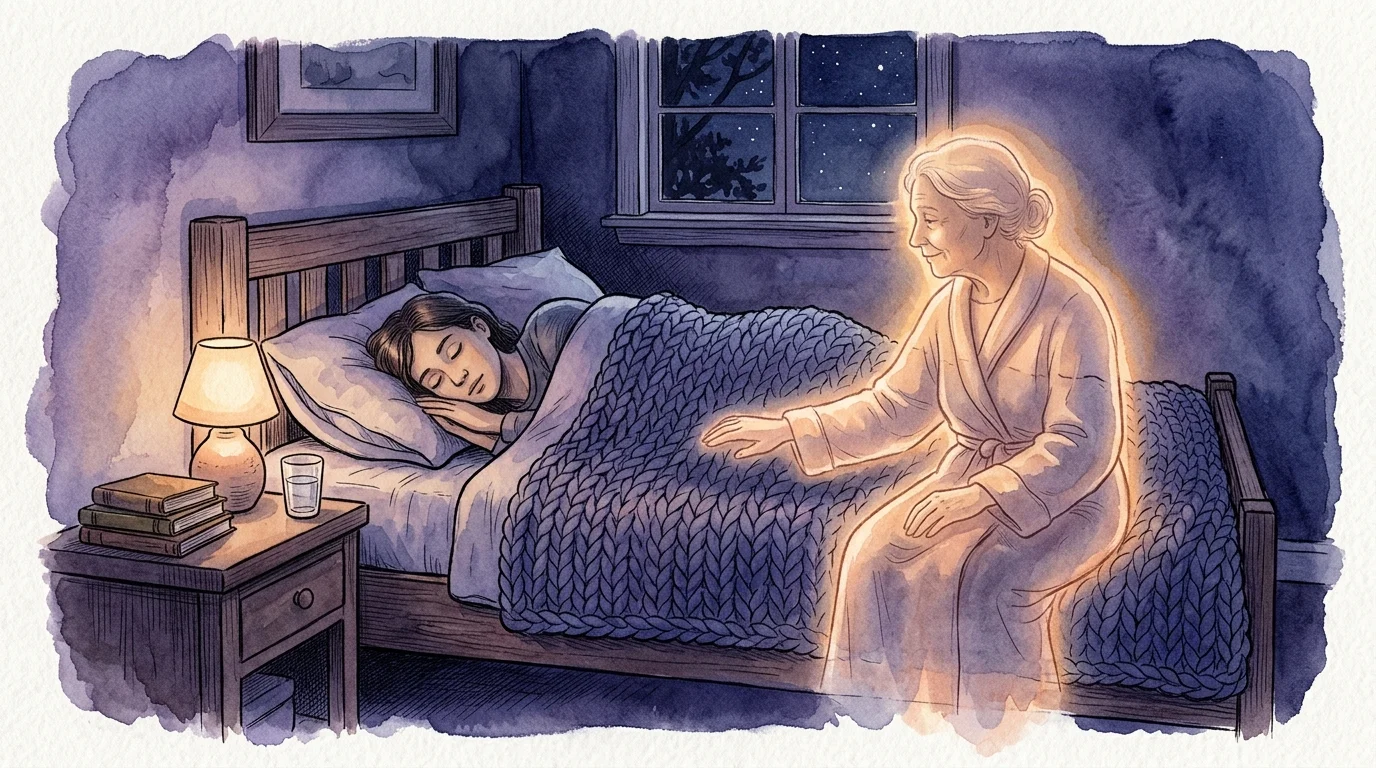
You may feel a sudden shift in the room. Some people describe a gentle pressure on their shoulder. Others sense someone sitting on the edge of their bed.
This sensation brings a deep feeling of safety. The presence rarely causes fear or alarm. You might feel calm during these moments.
Our nervous systems retain physical memories of our loved ones. Your body remembers the sensation of a hug. This somatic memory can trigger realistic sensory experiences.
Practice a grounding technique when you sense a presence. Place both feet firmly on the floor and breathe deeply. Acknowledge the comforting feeling without forcing it to stay.
Seek professional guidance if you experience terrifying hallucinations. Comforting presences differ entirely from frightening sensory disturbances. Medical professionals can evaluate distressing perceptual changes.
Emotional exhaustion makes sensory changes more frequent. Give yourself permission to rest after these events. Your body works hard to process this loss.
7. Hearing a Familiar Voice
Auditory experiences often occur during early grief. You might hear your name called in a familiar tone. This usually happens in quiet environments or upon waking.
These auditory glimpses remain brief. They sound external rather than like internal thoughts. You might turn around expecting to see your loved one.
Psychology terms this phenomenon a hypnagogic hallucination when waking. It represents a normal part of the grieving process. Your brain temporarily misinterprets internal longing as external sound.
Respond with a simple thought of gratitude. You can whisper a quick thank you to the room. This action validates your emotion without creating unhealthy attachment.
Mental health support and resources at SAMHSA.
Persistent voices that demand action require immediate clinical evaluation. Separate grief-related experiences from severe mental distress. Protect your psychological health first.
8. Significant Numbers
Angel numbers are repeating sequences like 111 or 444. You might notice these patterns on clocks or receipts. Certain dates may also reappear in unexpected places.
Many believe these numbers hold spiritual vibrations. A loved one might use them to send encouragement. They often appear when you face difficult decisions.
Confirmation bias plays a role in interpreting signs. You look at clocks hundreds of times daily. You only remember the times showing repeating numbers.
Track your numerical encounters using a small notebook. Write down the number and your current emotional state. Look for positive correlations rather than predicting future events.
Avoid making major financial decisions based on numbers. Significant choices require logic and practical planning. Keep your spiritual insights separate from financial risks.
Numbers offer a framework for chaotic thoughts. They provide a brief moment of structured focus. Allow them to serve as gentle pauses today.
9. Meaningful Songs
Music holds power over our emotional states. You might hear your loved one’s favorite song unexpectedly. This often happens on significant anniversaries or birthdays.
The lyrics may speak to your current struggles. A timely song can feel like a warm embrace. People frequently report this happening in their cars.
Radio algorithms and popular playlists increase these odds. However, the exact timing provides the spiritual significance. The meaning relies on your personal interpretation.
Create a dedicated playlist of meaningful songs. Listen to it intentionally during scheduled times of reflection. This practice contains your grief in a manageable window.
Turn off the music if it triggers unmanageable sorrow. You do not have to listen if it hurts. Protect your emotional bandwidth during tough days.
Music therapy is an established psychological tool. It helps release trapped sadness safely. Let melodies support your journey toward inner peace.
10. Sudden Temperature Changes
You might experience cold spots in a room. Others report feeling a wave of warmth. These changes usually occur without any draft or open window.
Traditions often link temperature shifts to unseen energy. The change typically lasts only a few minutes. It is often accompanied by a feeling of closeness.
Our bodies manifest grief through temperature fluctuations. Anxiety can cause sudden chills or hot flashes. Your biological response mirrors your intense emotional state.
Focus on your physical comfort when this happens. Grab a warm blanket or a cool drink. Ground yourself in your current physical environment immediately.
Consult a doctor if temperature fluctuations persist daily. Hormonal changes or infections can mimic these feelings. Always rule out medical conditions before assuming a spiritual cause.
Breathing exercises help stabilize body temperatures. Inhale for four counts and exhale completely. This resets your nervous system during emotional spikes.
11. Unexplained Synchronicity
Synchronicity involves coincidences that defy logical odds. You might receive a timely gift from a stranger. Someone could speak a phrase your loved one always used.
These moments weave a sense of universal connection. They reassure you that life maintains an order. Synchronicities often arrive when you feel entirely lost.
These events encourage self-reflection and values alignment. They prompt you to examine your current life path. Acknowledging synchronicity can foster deep emotional healing.
Try a nightly gratitude practice this week. Write down one meaningful coincidence you noticed today. This habit trains your brain to seek positive connections.
Never use synchronicity to justify harmful behavioral choices. Maintain your ethical standards regardless of perceived signs. Personal responsibility must always guide your daily actions.
Discuss coincidences with a grounded friend today. Sharing these moments amplifies their comforting effect. It helps you process the grief together.
12. A Deep Sense of Peace
The most common sign is often absolute stillness. You may experience a sudden lifting of heavy grief. This peace arrives unexpectedly during mundane daily activities.
This calm replaces frantic longing and sadness. You suddenly feel certain that your loved one rests easily. This quiet knowing requires no physical proof.
Acceptance eventually follows periods of deep mourning. Your nervous system finally regulates after prolonged stress. This biological calming feels spiritual and significant.
Embrace this peaceful state without questioning its origin. Sit quietly and let the calm wash over you. Release any guilt about feeling good again.
Healing does not mean forgetting your cherished memories. Finding peace is the ultimate goal of grief work. Moving forward honors the love you shared.
Peace is a biological and spiritual milestone. It indicates progress in your grief journey. Welcome these moments of stillness without hesitation.