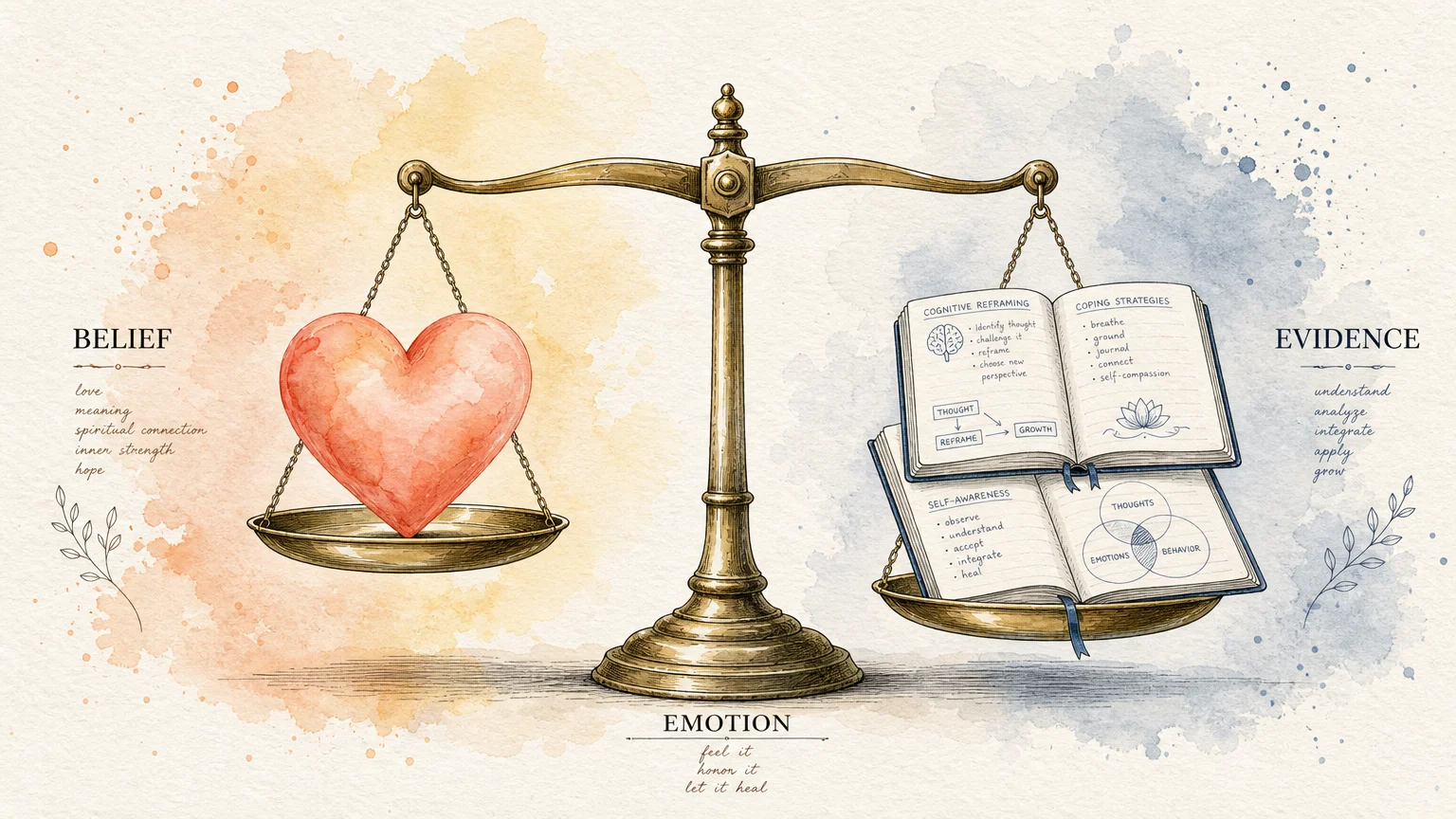
Navigating Belief and Evidence in Healing
Many people interpret visitation dreams as spiritual contact. They feel their partner has returned to offer comfort. These experiences often bring profound relief.
Research suggests these dreams are a natural psychological coping mechanism. Your brain uses dreams to process deep emotional attachments. Both perspectives hold value for a grieving heart.
You do not have to choose between science and spirit. Finding personal meaning is the most important goal. Trust your intuition while maintaining a grounded perspective.
Some individuals look for signs like synchronicity or angel numbers. They might see their partner’s birthdate repeatedly on clocks. This pattern-seeking behavior is common in early grief.
Finding comfort in signs is a harmless coping strategy. It helps you feel connected to your lost loved one. Just remain aware of your emotional boundaries.
Avoid placing major life decisions on spiritual signs alone. Use these moments for quiet reflection instead. Synchronicity should bring peace rather than anxious urgency.
The concept of karma often surfaces during grief. People worry that their unspoken words will cause future suffering. This fear stems from a misunderstanding of universal laws.
A grounded view of karma focuses on present actions. You can balance past regrets by showing kindness today. Use your experiences to guide your current values.
Intentional habits help you build positive momentum. Volunteer your time or help a neighbor in need. These actions transform lingering guilt into active compassion.
Forgive yourself for not knowing what you know now. Growth requires making mistakes and learning from them. Your soul’s journey includes both joy and sorrow.