A Gentle Seven-Day Plan to Explore New Interests
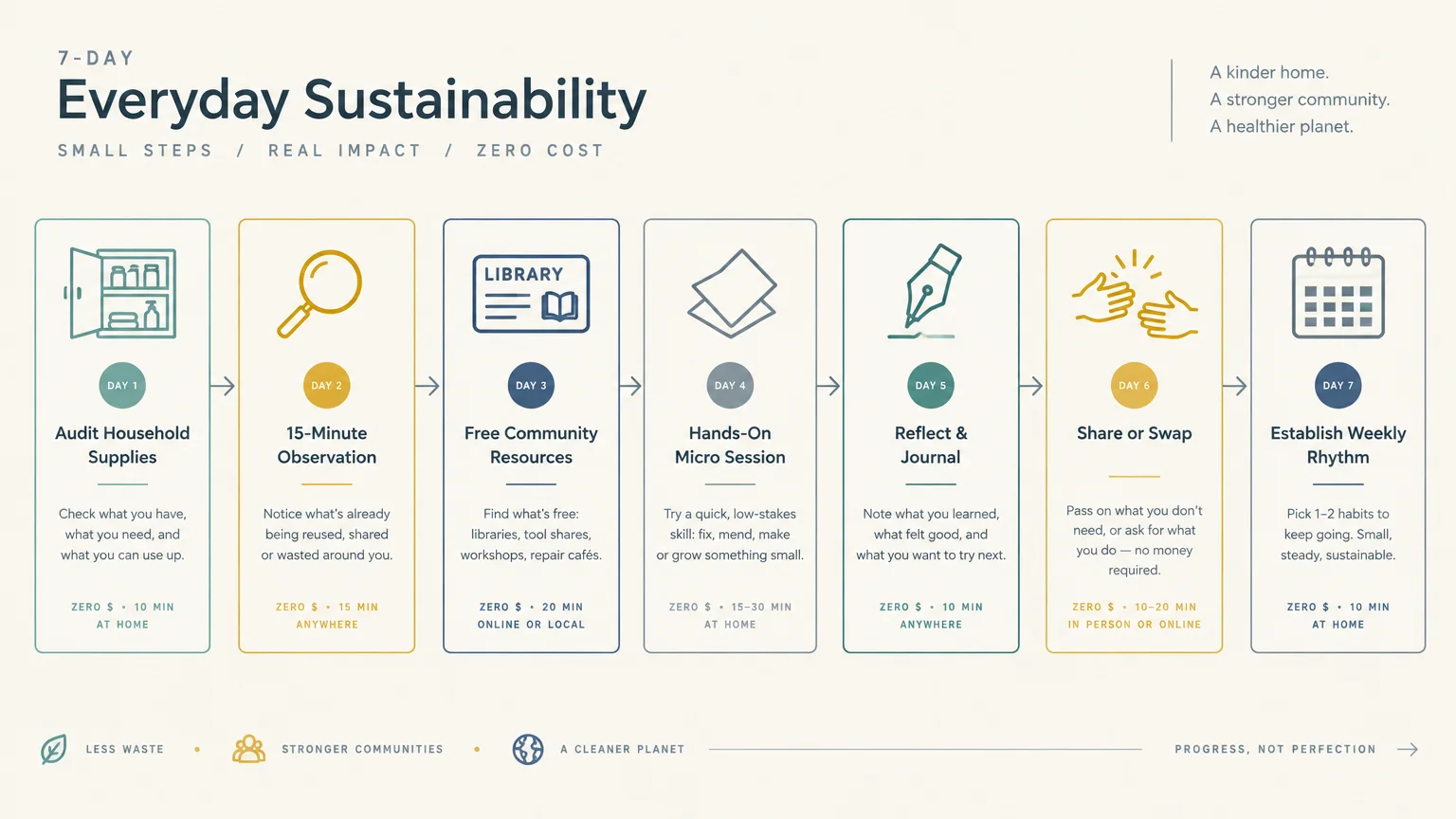
Trying fun retirement hobbies on a budget works best when you take small, gentle steps. Use this seven-day plan to sample diverse activities without feeling overwhelmed.
On Day One, visit your local public library to update your library card. Ask a librarian to show you how to access free digital apps like Libby.
On Day Two, spend twenty minutes walking mindfully in a nearby park or garden. Use the free Merlin Bird ID app to identify two local backyard birds.
On Day Three, sit in a cozy armchair with an inexpensive lined notepad. Spend fifteen minutes journaling about a joyful memory from your early twenties.
On Day Four, review your Medicare Advantage benefits or municipal recreation guide. Locate a nearby community center that provides free walking tracks, swimming, or pickleball.
On Day Five, plant culinary herbs in a small windowsill container or try baking simple bread. Enjoy the grounding tactile sensations and fresh aromas in your kitchen.
On Day Six, work on a jigsaw puzzle or sketch a simple household object with pencils. Allow yourself to enjoy the creative process without critiquing the outcome.
On Day Seven, sit quietly and reflect on the past week. Notice which activity brought you the most peace, and schedule time for it next week.

Emotional Safety, Grief, and Financial Boundaries
Transitioning into retirement often stirs up unaddressed emotions and unexpected grief. Gentle hobbies offer emotional comfort, but they should never feel like burdensome chores.
Be cautious of commercial seminars or spiritual organizations asking for large upfront fees. High-pressure sales tactics and promises of quick transformation are serious warning signs.
Protect your fixed retirement budget by relying on free civic programs and public libraries. Genuine wellbeing never requires costly certifications, specialized memberships, or luxury tools.
If you experience persistent grief or severe anxiety, seek compassionate professional support. Creative pastimes complement your wellbeing, but they cannot replace essential medical care.
You can access reliable grief resources through the American Psychological Association (APA). Mental health guidance is also available at SAMHSA.
For evidence-based insights into healthy sleep habits, explore the Sleep Foundation. These non-profit organizations offer grounded support for your health.
If you feel isolated, consider speaking with a licensed therapist or trusted faith leader. Sharing your honest feelings helps lift the emotional weight of major life transitions.
Sample Conversation Script: “I have been feeling somewhat untethered since leaving my career. I would appreciate your guidance on finding healthy structure and emotional peace.”