
11. Ancestral Genealogy and Family History
Researching your family roots uncovers fascinating stories of human resilience and courage. Discovering your lineage can deepen your sense of belonging.
Many public libraries provide free onsite access to databases like Ancestry Library Edition. You can also explore free public resources like FamilySearch from home.
Searching historic censuses and immigration records feels like solving a meaningful detective story. Connecting with distant ancestors honors your personal heritage.
Organizing old family photographs and letters preserves cherished memories for younger relatives. This reflective pastime brings historical continuity to your days.
Actionable Practice: Record the birthplaces and names of your grandparents in a notebook. Search for one of their historical records using your library’s free genealogy database.
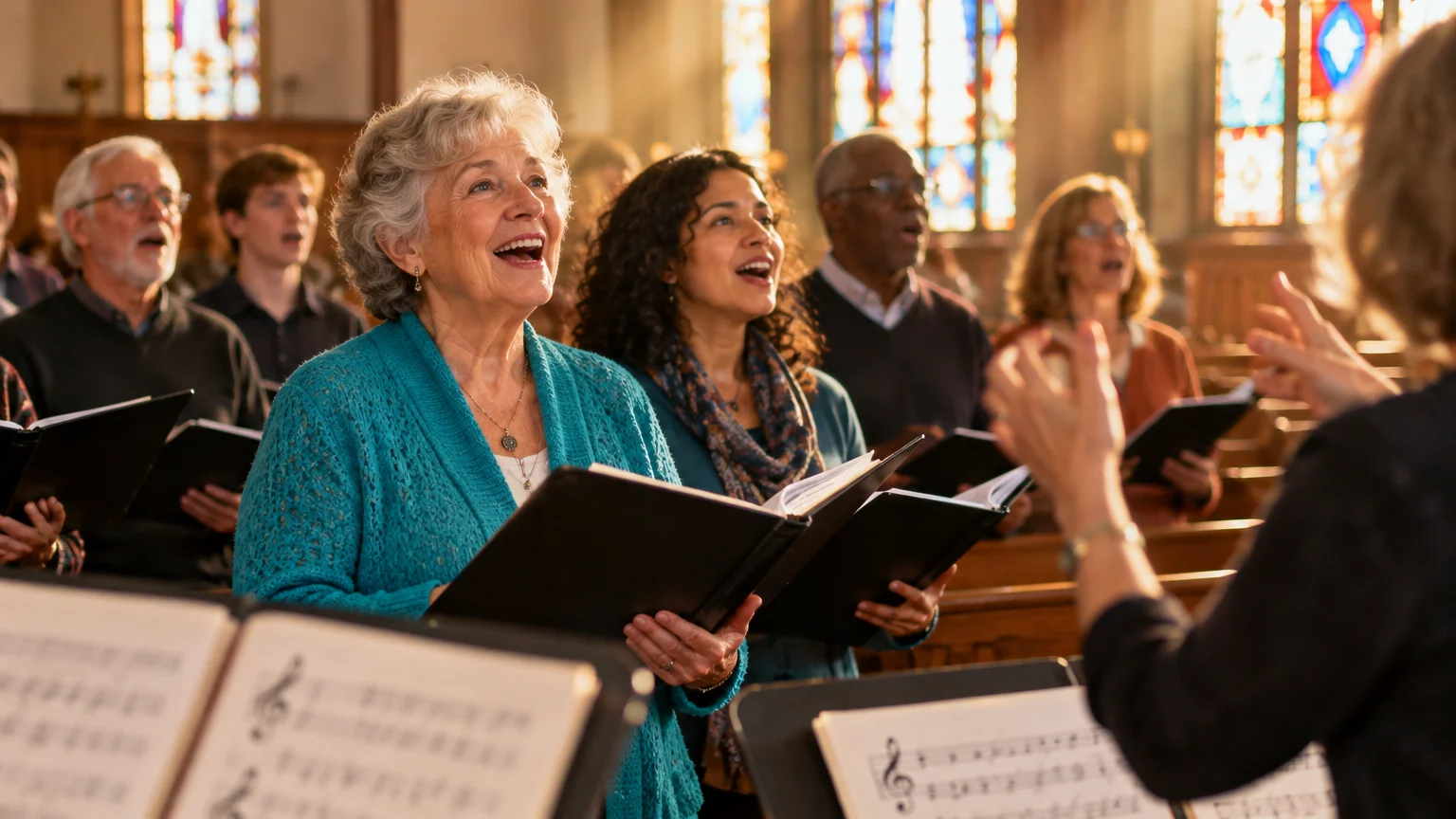
12. Community Choirs and Singing Groups
Singing in unison with others creates uplifting social bonds and emotional harmony. Making music engages the vagus nerve and encourages deep, calming breathwork.
Many senior centers and faith communities host informal choirs that welcome all voices. Most of these amateur music groups do not charge membership fees.
You do not need to read sheet music to enjoy vocal harmony. Singing familiar melodies lifts feelings of heaviness and renews mental energy.
Group singing releases natural endorphins that elevate your outlook on life. It provides a joyful weekly routine centered around shared artistic expression.
Daily Habit: Hum softly while making your morning breakfast or stretching your legs. Feel the gentle physical vibration resonate in your chest and throat.
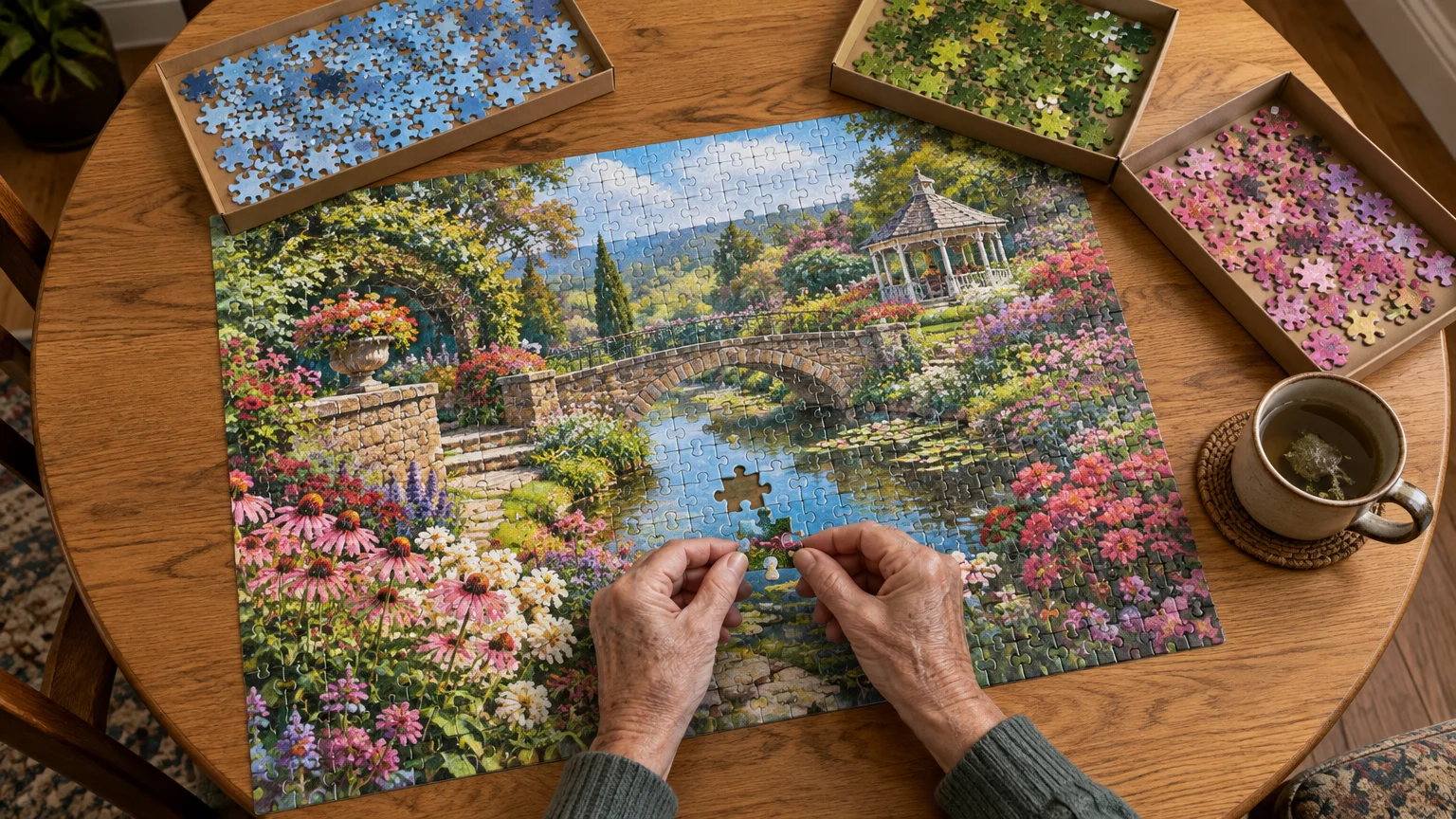
13. Jigsaw Puzzles and Spatial Games
Assembling jigsaw puzzles stimulates visual-spatial processing and patient contemplation. Puzzling offers a peaceful, screen-free pastime for quiet afternoons.
Local libraries and senior community centers often operate free puzzle swap tables. You can trade completed boxes for fresh images without spending any money.
Searching for fitting interlocking pieces encourages gentle concentration. Sorting shapes and colors quiets background worries and provides tangible progress.
You can also enjoy free daily crossword puzzles and chess games on your tablet. These mentally stimulating games help maintain sharp cognitive focus.
Actionable Step: Set up a small side table dedicated solely to a 500-piece puzzle. Spend fifteen calm minutes placing corner and edge pieces each evening.
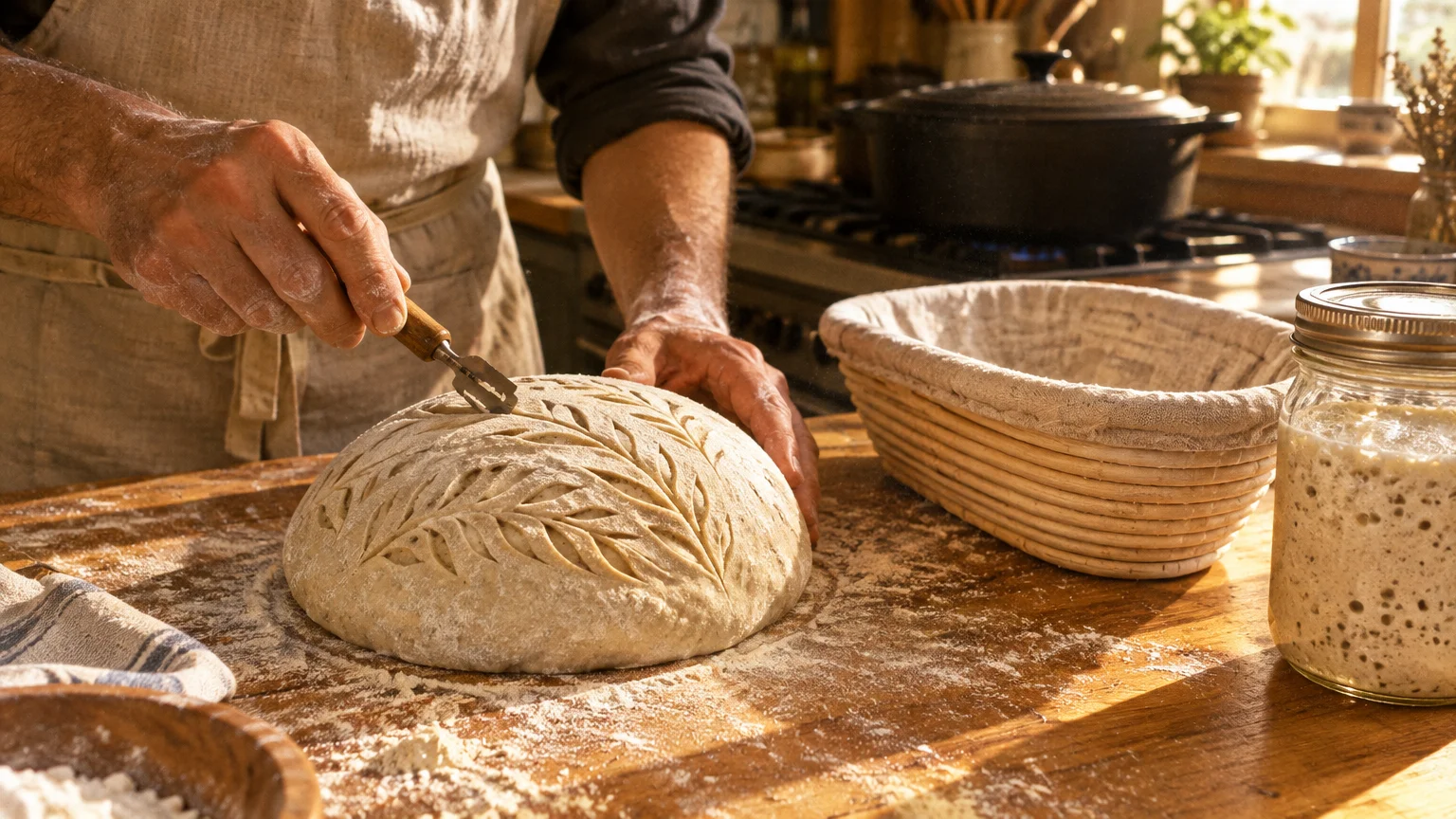
14. Artisanal Baking and Breadmaking
Baking fresh bread transforms simple pantry staples into warm, comforting sustenance. Flour, water, salt, and yeast cost only pennies per loaf.
The physical rhythm of kneading bread dough relieves tension stored in your hands and wrists. Waiting for yeast to rise cultivates peaceful patience.
Baking fills your kitchen with comforting aromas that evoke nostalgic warmth. Sharing a fresh loaf with a neighbor fosters kind social bonds.
This wholesome craft reminds you that simple ingredients can yield deeply satisfying rewards. It turns a routine chore into a grounding culinary ritual.
Sensory Practice: Knead your dough slowly by hand for five minutes. Pay close attention to the smooth texture shifting beneath your palms.
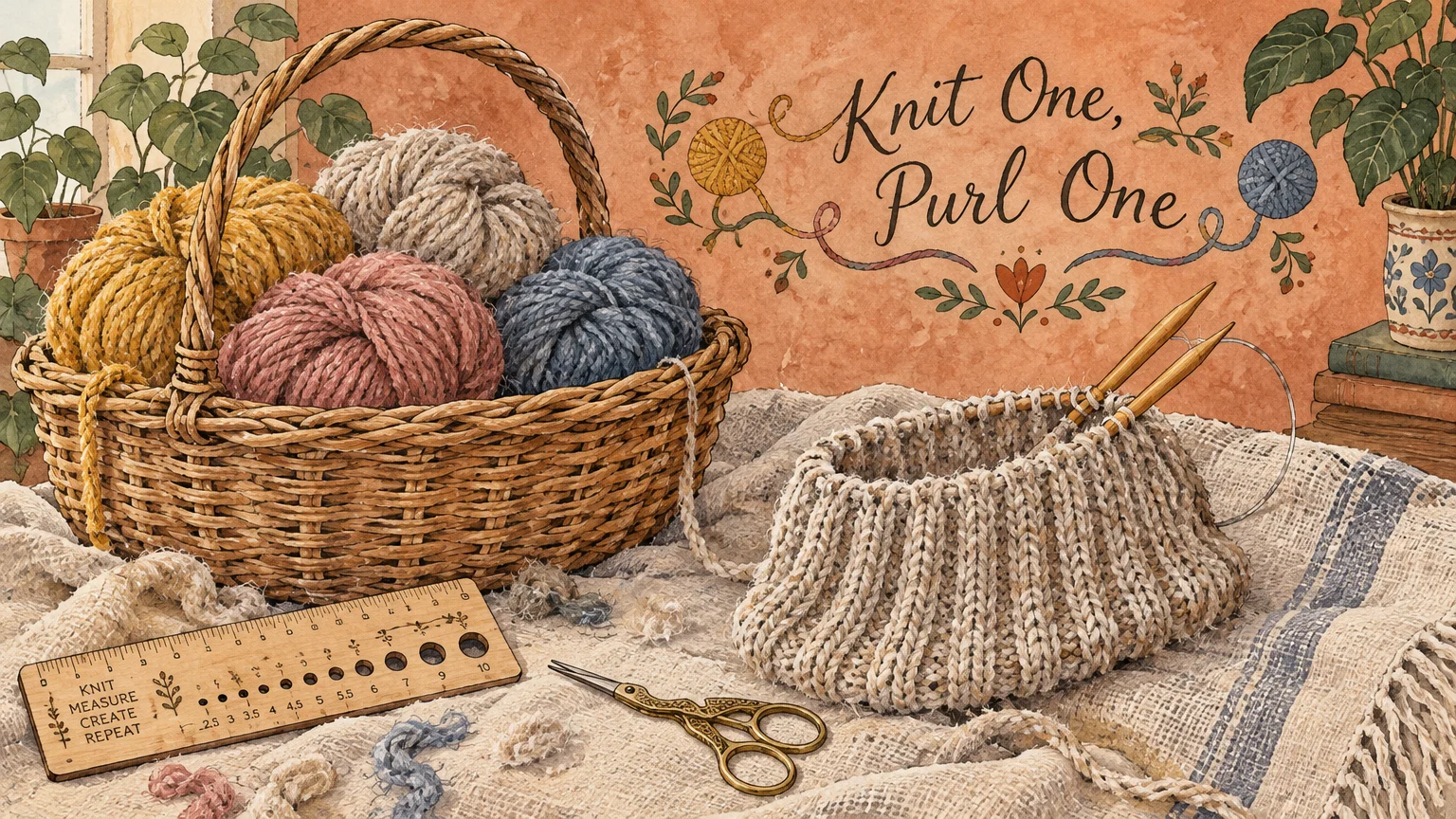
15. Mindful Fiber Crafts and Knitting
Knitting and crocheting involve rhythmic hand movements that calm an overactive mind. The repetitive stitching induces a deeply relaxed mental state.
You can locate low-cost needles and yarn at thrift stores or community supply swaps. Experienced crafters often happily donate surplus yarn to beginners.
Crafting soft scarves or baby blankets provides a comforting sense of creative accomplishment. Giving handmade items to local charities gives your crafting profound purpose.
Fiber crafts keep your fingers nimble and flexible as you age. The steady clicking of knitting needles acts like an auditory meditation.
Evening Habit: Stitch for fifteen minutes before retiring to bed each evening. Notice how the rhythmic repetition slows your breathing and prepares you for rest.