
Recognizing quiet relationship insecurity helps you protect your bond and deepen daily emotional intimacy. When you identify hidden self-doubt early, you can respond with patience and calm clarity.
An insecure partner often masks vulnerability behind sudden withdrawal, defensive words, or subtle jealousy signs. Over time, these patterns disrupt mutual trust and erode peace in mature relationships.
This practical guide outlines ten clear signs partner feels insecure during life transitions. You will gain actionable tools for reassuring your partner with compassion while maintaining healthy personal boundaries.
Understanding Relationship Insecurity
Relationship insecurity is a persistent feeling of vulnerability, self-doubt, or fear regarding your romantic bond. It often stems from unhealed past wounds or major life transitions.
Many people interpret insecurity as a personal failing or lack of love. Psychological research suggests it usually reflects personal fear rather than declining affection.
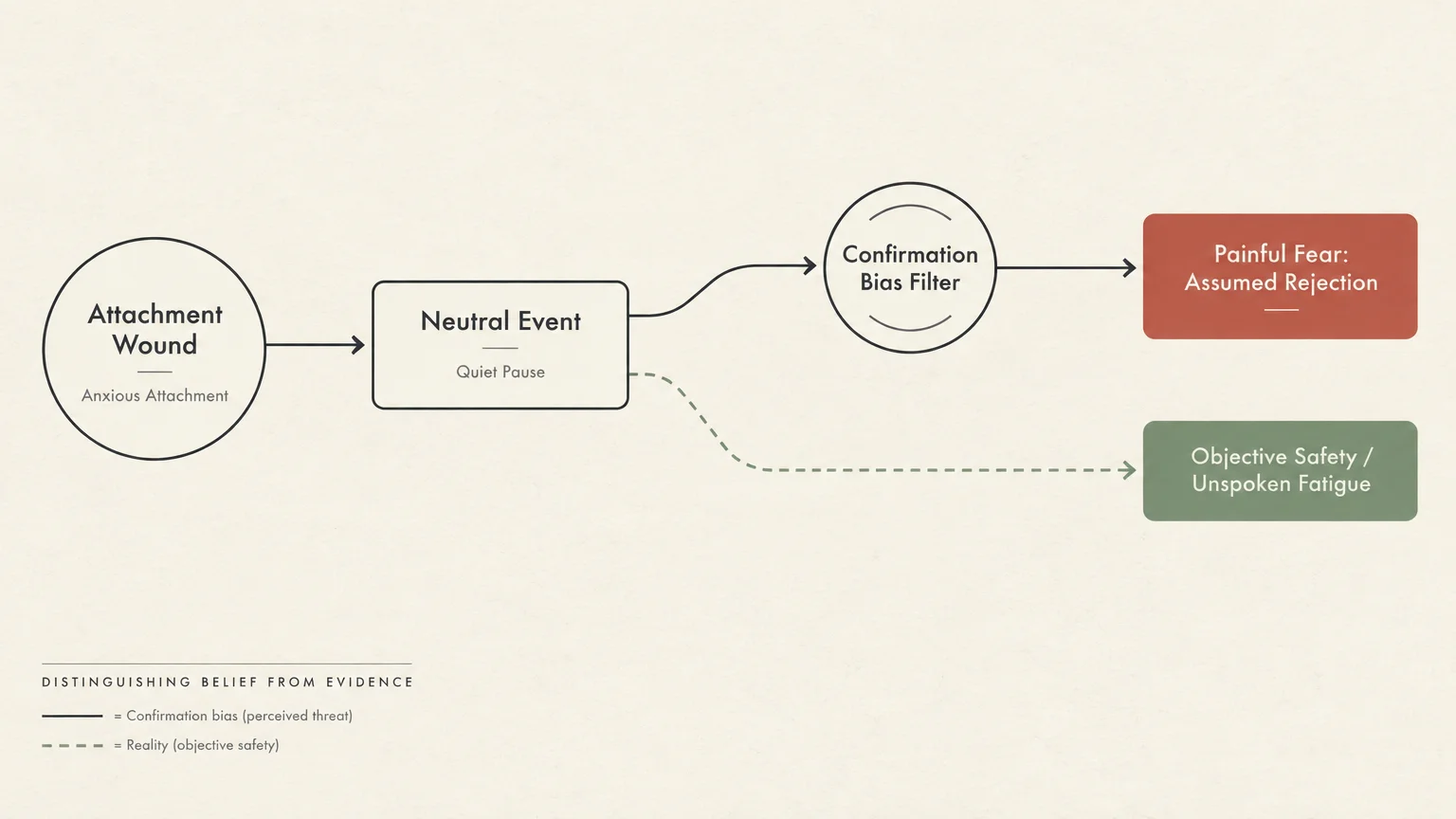
Attachment theory explains much of this dynamic. In psychology, attachment theory describes how early bonds shape how adults seek safety in love.
Partners with anxious attachment fear abandonment deeply. They crave continuous closeness and worry that their partner will leave them.
An insecure partner also experiences confirmation bias frequently. Confirmation bias describes the habit of searching for proof that confirms an existing anxiety.
If someone fears rejection, they might interpret a quiet pause as proof of anger. Recognizing this cognitive habit helps you respond with steady patience.
Distinguishing belief from evidence prevents unnecessary conflicts. Your partner’s painful fear feels real to them, even when the facts show complete safety.

10 Signs Your Partner Feels Insecure
1. Constant Need for Verbal Validation
Your partner may repeatedly ask if you still love them or find them attractive. They seek external reassurance because internal doubt silences previous affirmations.
Reassurance provides temporary comfort rather than lasting peace. The relief fades quickly, prompting another request for validation.
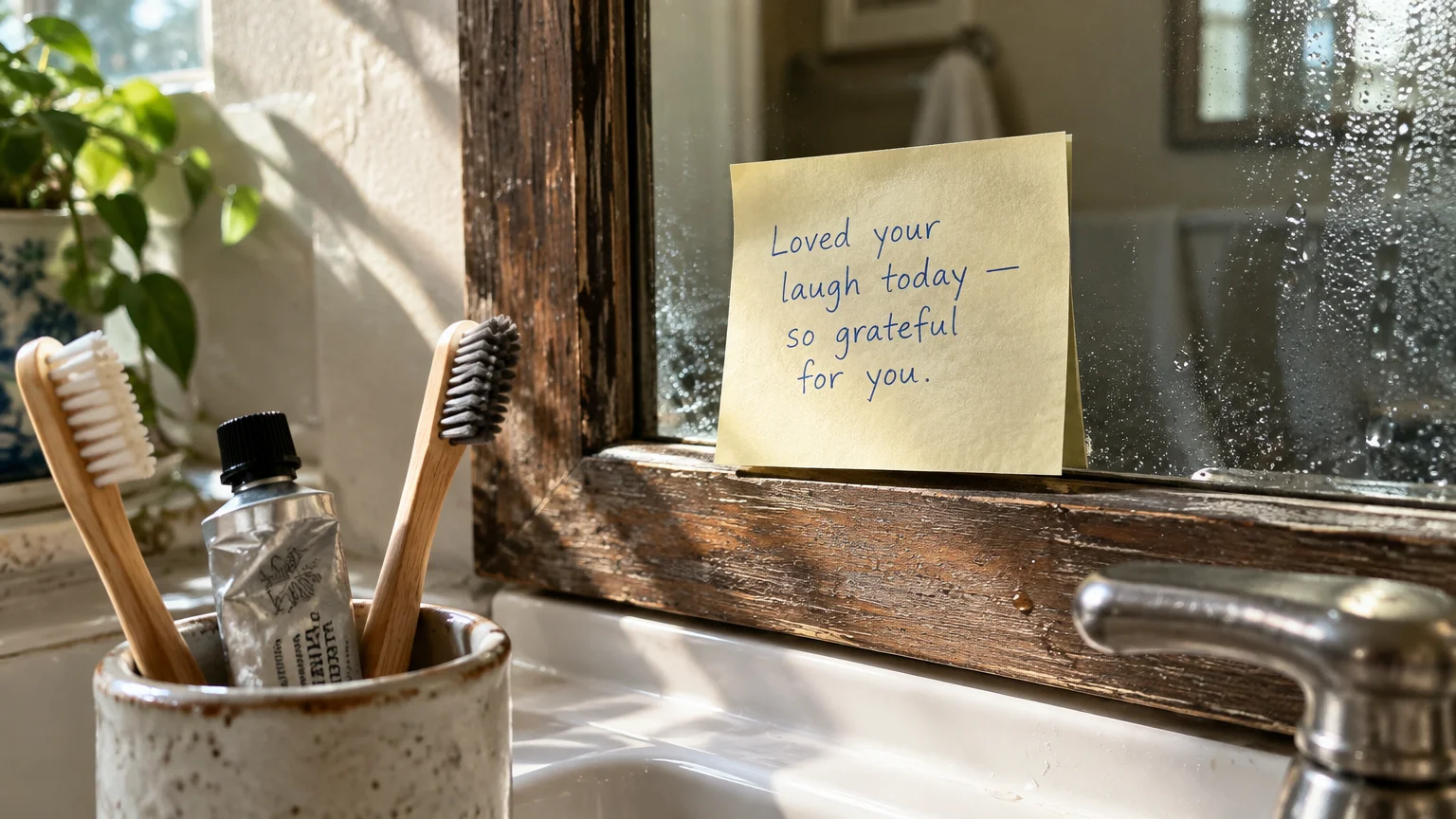
Actionable practice: Write a small morning note expressing appreciation for a specific trait. Predictable words of affirmation help build a stable emotional floor.
2. Subtle Jealousy Signs and Monitoring
Subtle jealousy signs often emerge when your partner feels threatened by outside friendships or solitary activities. They may ask pointed questions about your daily schedule.
This monitoring rarely comes from spite or malice. Instead, an insecure partner tries to control their environment to avoid surprise heartbreak.
Actionable practice: Share your plans openly before they ask. Proactive transparency removes mystery and calms an anxious mind.
3. Emotional Withdrawal After Minor Disagreements
During a minor disagreement, an insecure partner may shut down entirely. They may retreat into cold silence or leave the room without explanation.
This emotional shutdown is a protective defense mechanism. They fear that expressing honest emotions will push you away permanently.
Safety cue: Give your partner space without leaving the home. Tell them you will resume the conversation in thirty minutes.
4. Overreacting to Constructive Feedback
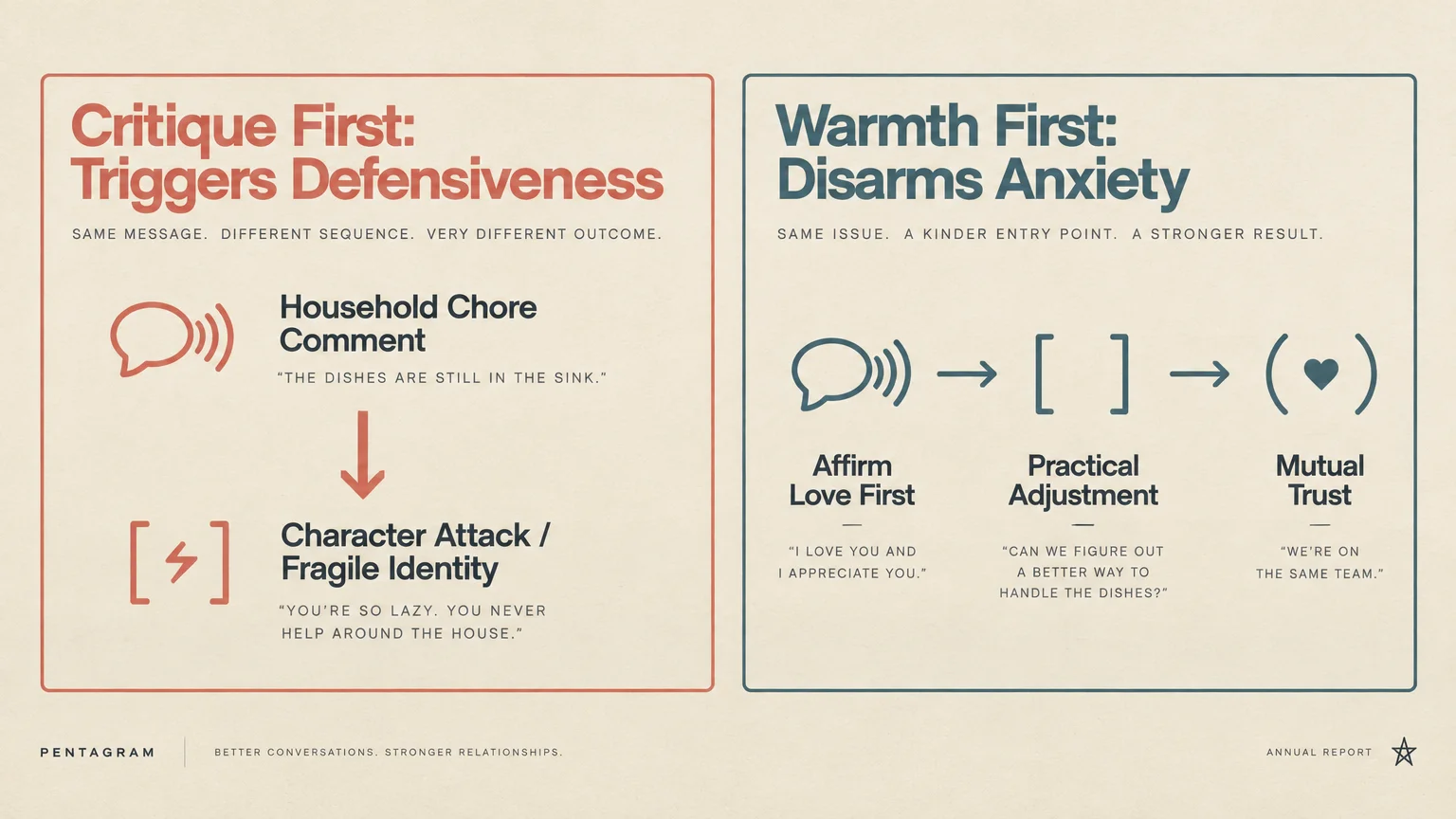
An insecure person often views gentle feedback as a total attack on their worth. A simple comment about household chores can trigger intense defensiveness.
They equate a critique of behavior with a judgment on their character. This reaction reveals a fragile sense of personal identity.
Actionable practice: Frame requests with warmth. Affirm your love first before stating the practical adjustment you desire.
5. Overthinking Casual Remarks
Does your partner analyze your tone of voice for hidden hostility? They may obsess over a passing remark hours after you spoke.
This overthinking happens when an anxious nervous system stays on high alert. The brain scans every gesture for subtle signs of rejection.
Actionable practice: Clarify your mood immediately when you notice their concern. State plainly that your quiet attitude reflects fatigue, not dissatisfaction with them.
6. Fear of Your Independence
Insecurity can make ordinary personal freedom look dangerous. Your partner may feel uneasy when you enjoy solitary hobbies, classes, or solo walks.
They worry that your independent interests prove you no longer need them. This assumption generates deep anxiety around healthy autonomy.
Actionable practice: Invite your partner into small aspects of your interests while keeping your boundaries. Send a warm text message during longer outings.
7. Apologizing Excessively for Normal Needs
An insecure partner frequently says they are sorry for basic human preferences. They may apologize for feeling tired, choosing a restaurant, or asking a question.
This habit signals that they view their personal needs as a burden. They learned early in life to minimize themselves to keep the peace.
Actionable practice: Respond to unnecessary apologies with calm reassurance. Remind them gently that their needs and opinions are always welcome.
8. Comparing Your Relationship to Others
Your partner may measure your connection against past relationships or idealized media portrayals. They worry that your life together falls short of an unrealistic ideal.
Comparison fuels continuous dissatisfaction and self-doubt. It prevents a person from appreciating the quiet beauty of their shared reality.
Actionable practice: Keep a shared gratitude journal on your bedside table. Note two specific things you cherish about your unique partnership each evening.
9. Difficulty Celebrating Your Achievements
When you achieve a personal goal, an insecure partner may react with hesitation. Your success can trigger their own feelings of inadequacy.
They rarely wish to hurt you. Instead, your visible progress reminds them painfully of their own unfulfilled dreams.
Safety cue: Share your exciting news with supportive friends first. Then invite your partner into the celebration without demanding enthusiasm.
10. Testing Your Loyalty with Hypothetical Scenarios
An insecure partner might ask complicated hypothetical questions about your commitment. They might ask what you would do if someone wealthy showed interest.
These loyalty tests are indirect pleas for emotional safety. The partner seeks guaranteed devotion before opening their heart fully.
Actionable practice: Address the underlying fear rather than debating the hypothetical story. Confirm your steady decision to love them today.
Practical Practices for Reassuring Your Partner
Reassuring your partner requires steady patience and consistent daily action. Grand romantic gestures rarely heal deep internal insecurities.
Emotional safety grows through small, dependable habits. When your partner knows what to expect, their nervous system gradually relaxes.
Follow this simple seven-day practice plan in your daily routine. It costs nothing and builds mutual reassurance step by step.
On days one and two, practice focused eye contact. Hold their gaze with a warm expression for several seconds when greeting them.
On days three and four, incorporate brief physical touch. Offer a gentle touch on the shoulder or hold their hand while sitting together.
On days five and six, practice active listening without offering solutions. Validate their feelings before sharing your perspective on any issue.
On day seven, express sincere verbal gratitude for their companionship. Mention a specific memory that illustrates why you appreciate them.
You can also practice traditional Ho’oponopono phrases during quiet moments. Silently repeating words of forgiveness and reconciliation brings peace to your heart.
Journaling provides another healthy outlet for emotional processing. Write down your feelings about relationship insecurity before addressing tough topics with your partner.
Mindful Communication and Conversation Starters
Discussing insecurity directly can feel threatening for both people. If approached with criticism, an insecure partner will become defensive immediately.
Use calm invitations that emphasize teamwork. Frame the discussion around mutual comfort rather than fixing a flaw in your partner.
Here is a sample conversation opener you can use at home. Pick a quiet evening without distractions like television or chores.
I love our relationship and want us to feel safe. I notice you seem worried lately, and I want to support you.
Listen carefully to their response without defending yourself. Your calm presence demonstrates that vulnerability is safe in your home.
If you choose to consult a counselor or faith leader, use a clear framework. State your shared goals plainly during the initial session.
You might tell the counselor that you want tools to navigate self-doubt together. An experienced professional helps balance both voices fairly.

Healthy Boundaries and Emotional Safety
Compassion does not mean accepting controlling or manipulative conduct. You must maintain clear boundaries while offering genuine empathy.
Insecurity crosses into emotional abuse when it seeks to dominate your freedom. Red flags include demanding phone passwords, stalking, or isolating you from friends.
Never sacrifice your basic autonomy to calm someone else’s anxiety. Healthy reassurance always respects individual boundaries and mutual dignity.
If your partner uses guilt or anger to control your decisions, seek qualified help. Emotional safety remains an absolute priority in every partnership.
Avoid practitioners who promise instant cures for large upfront fees. Genuine emotional growth requires honest personal reflection, not expensive promises.
Professional healthcare resources provide verified guidance for couples. You can learn more about mental health and coping strategies through trusted public organizations.
Mental health support and resources at SAMHSA.
Grief and coping resources at the American Psychological Association (APA) and NIH.
Complementary practices via NCCIH.
Sleep facts at the Sleep Foundation.
Frequently Asked Questions
Can relationship insecurity be cured permanently?
Insecurity is a normal human emotion that surfaces during stressful periods. While it cannot be erased completely, partners can manage it through steady honesty and care.
Long-term security develops when both partners take responsibility for their emotions. Reassurance helps, but self-acceptance creates enduring peace.
How do I tell natural caution from destructive insecurity?
Natural caution prompts thoughtful questions and open dialogue. Destructive insecurity leads to constant accusations, privacy violations, and emotional stonewalling.
Healthy partners accept reassurance and move forward. In contrast, destructive patterns repeat endlessly regardless of how much reassurance you offer.
Does reassuring your partner make them more dependent?
Healthy reassurance provides the emotional foundation needed for genuine self-confidence. It allows your partner to feel safe enough to practice independence.
However, complying with irrational demands breeds greater anxiety. Reassure their worth while maintaining your healthy boundaries.
Can life transitions trigger sudden relationship insecurity?
Yes, major transitions like retirement, illness, or an empty nest alter personal identity. These changes often awaken old fears about usefulness and desirability.
Discussing these identity shifts openly helps couples navigate changes together. Patience during transitions prevents temporary doubts from becoming permanent habits.
What should I do if my partner refuses to admit their insecurity?
Focus on maintaining your own emotional balance and steady boundaries. Avoid labeling or diagnosing their behavior during heated arguments.
Invite them to join couples counseling to strengthen your connection. If they decline, consider seeking individual therapy to protect your well-being.
Next Steps for Lasting Security
Transforming relationship insecurity requires continuous patience, clear boundaries, and empathetic action. Healing old doubts happens through steady, quiet moments.
Take concrete steps this week to encourage emotional growth in your partnership. First, offer one specific, unprompted word of affirmation every morning.
Second, track your personal reactions in a private journal. Notice when your partner’s insecurity triggers your own frustration or defensiveness.
Third, verify your boundaries by scheduling regular time for personal hobbies. Sustaining your individual identity strengthens the partnership over time.
Fourth, seek professional guidance if controlling behaviors persist. A licensed marriage therapist provides impartial support and effective communication tools.
Disclaimer: This article is for informational purposes only and does not provide medical or psychological advice. If you face severe anxiety or distress, consult a licensed healthcare professional or counselor.