Boundaries, Consumer Safety, and Professional Care
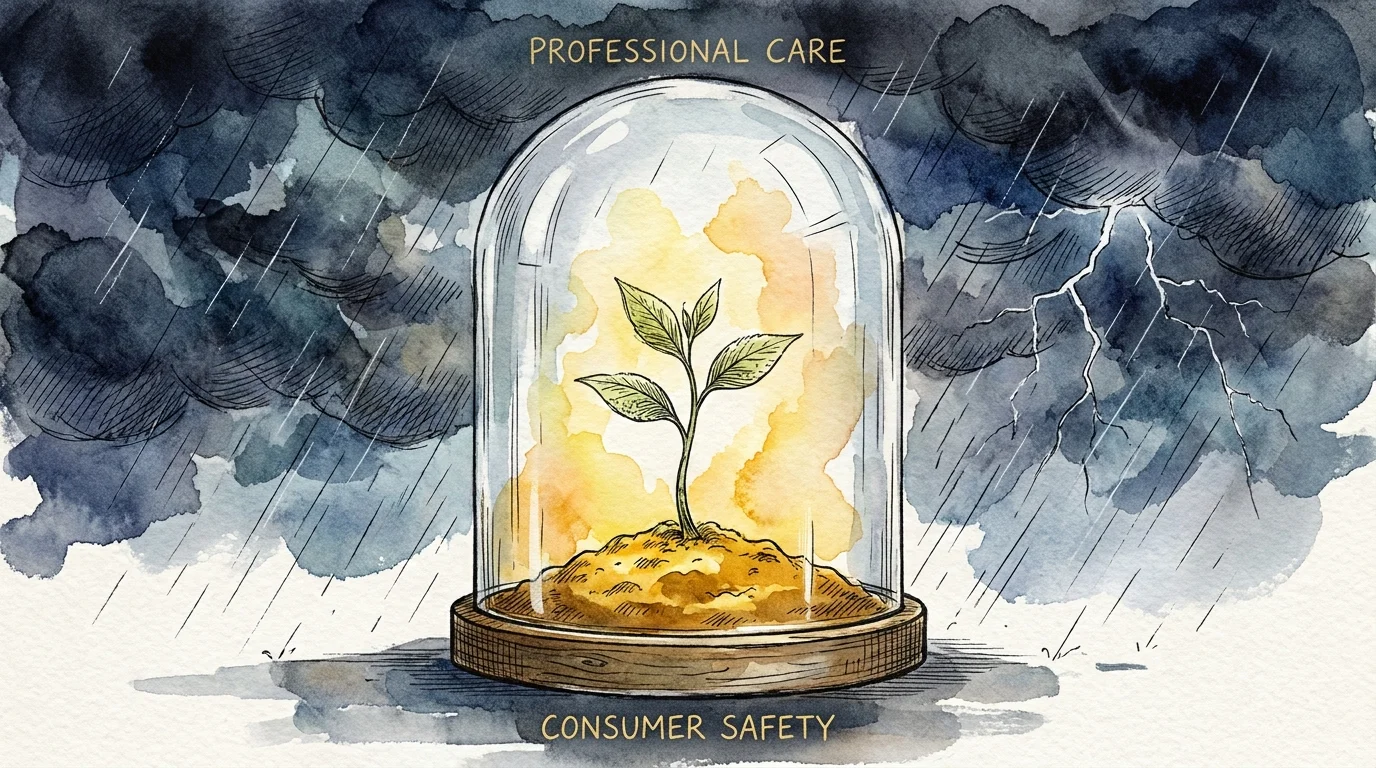
Exploring your spirituality, past choices, and emotional landscape can occasionally unearth feelings of profound grief or anxiety. It is essential to approach your inner work with strong personal boundaries. You must remain vigilant against individuals or organizations that attempt to exploit your search for meaning.
Unethical practitioners may use high-pressure tactics, guarantee specific future outcomes, or demand secrecy regarding their methods. These are definitive red flags. Genuine spiritual guidance and psychological support always empower you to make your own choices and encourage transparency.
If you find that your reflections trigger persistent sadness or disrupt your ability to function, it is crucial to lean on evidence-based resources. Spiritual exploration should complement, never replace, necessary medical or mental-health care.
Grief and coping resources at the American Psychological Association (APA) and NIH.
Mental health support and resources at SAMHSA.
Furthermore, evaluating how your physical health intersects with your emotional well-being is vital. Chronic regret or anxiety frequently disrupts restful sleep, which in turn diminishes your emotional resilience. If you struggle with insomnia or nighttime rumination, you can explore evidence-based strategies to restore your energy.
Sleep facts at the Sleep Foundation.
When you seek out holistic or alternative methods to support your emotional journey, such as meditation, breathwork, or acupuncture, ensure you are referencing verified clinical information.
Complementary practices via NCCIH.