9 Things People Over 70 Wish They Did More Often

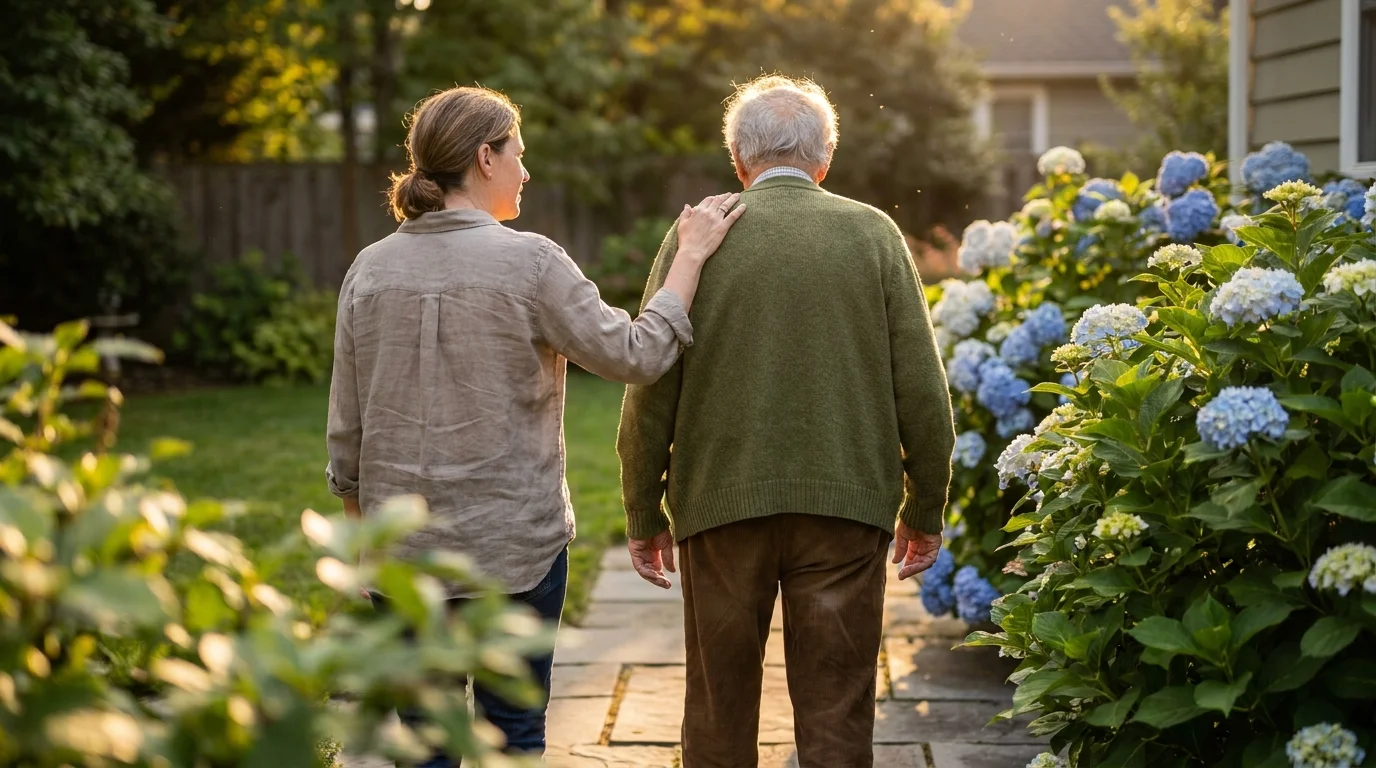
1. Trusting Their Inner Voice
Many individuals looking back realize they frequently ignored their own intuition to please others. Intuition often acts as a subconscious form of pattern recognition, alerting you to situations that align with your values or warning you when boundaries are crossed.
When you constantly suppress this inner voice, you risk living a life dictated by external expectations. The actionable practice here is to keep a simple intuition log. Once a day, write down a moment when you felt a strong gut instinct, note whether you followed it, and record the outcome.
Over time, this log builds undeniable trust in your own internal guidance system.

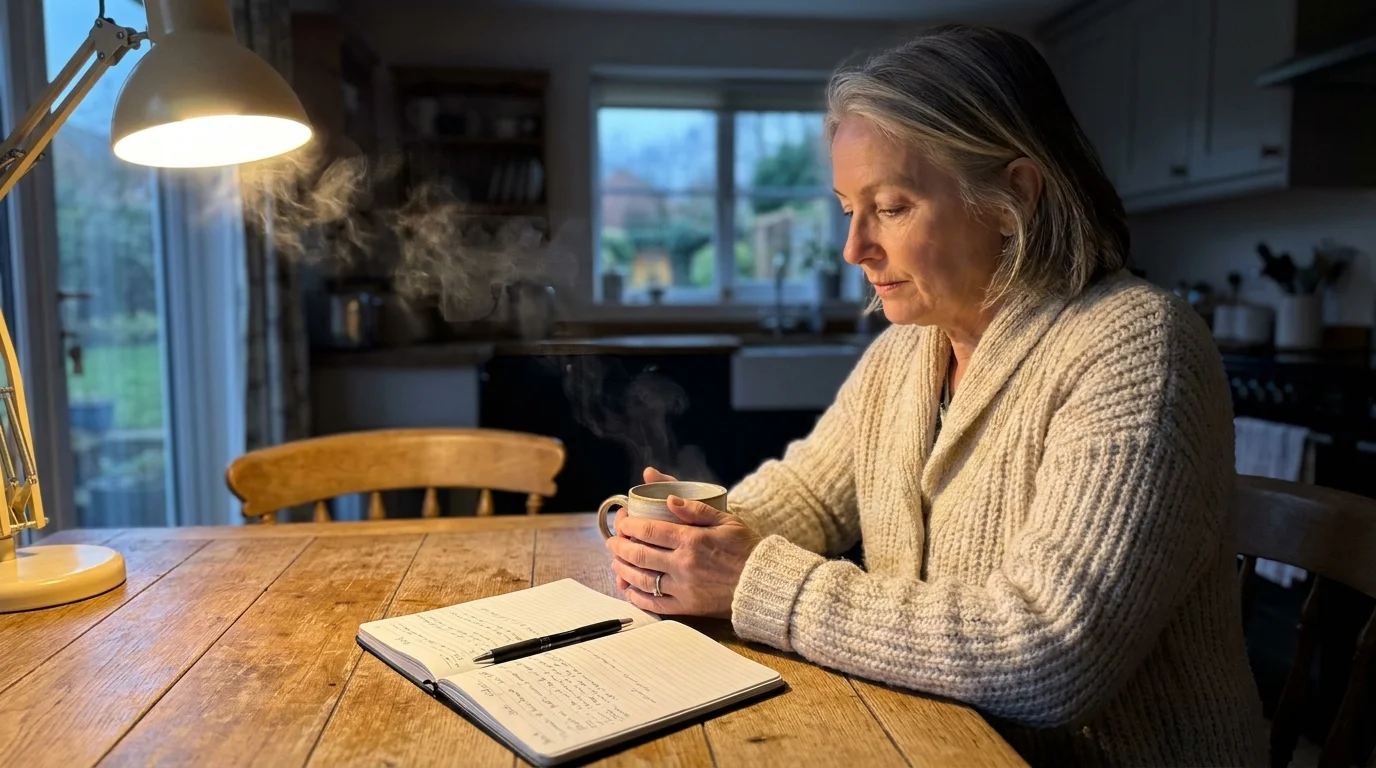
2. Documenting Everyday Memories
Seniors frequently express regret over losing the small, mundane details of their family history. It is easy to assume you will always remember the sound of a loved one’s laugh or the exact recipe of a holiday meal, but memory naturally fades.
Capturing these moments provides an anchor for you and a treasure for future generations. As an actionable practice, commit to recording one short audio memory each week on your smartphone. Spend just three minutes describing a specific childhood memory or a recent joyful afternoon.
This low-pressure habit steadily builds a priceless archive of your personal history.
3. Releasing Minor Grievances Faster
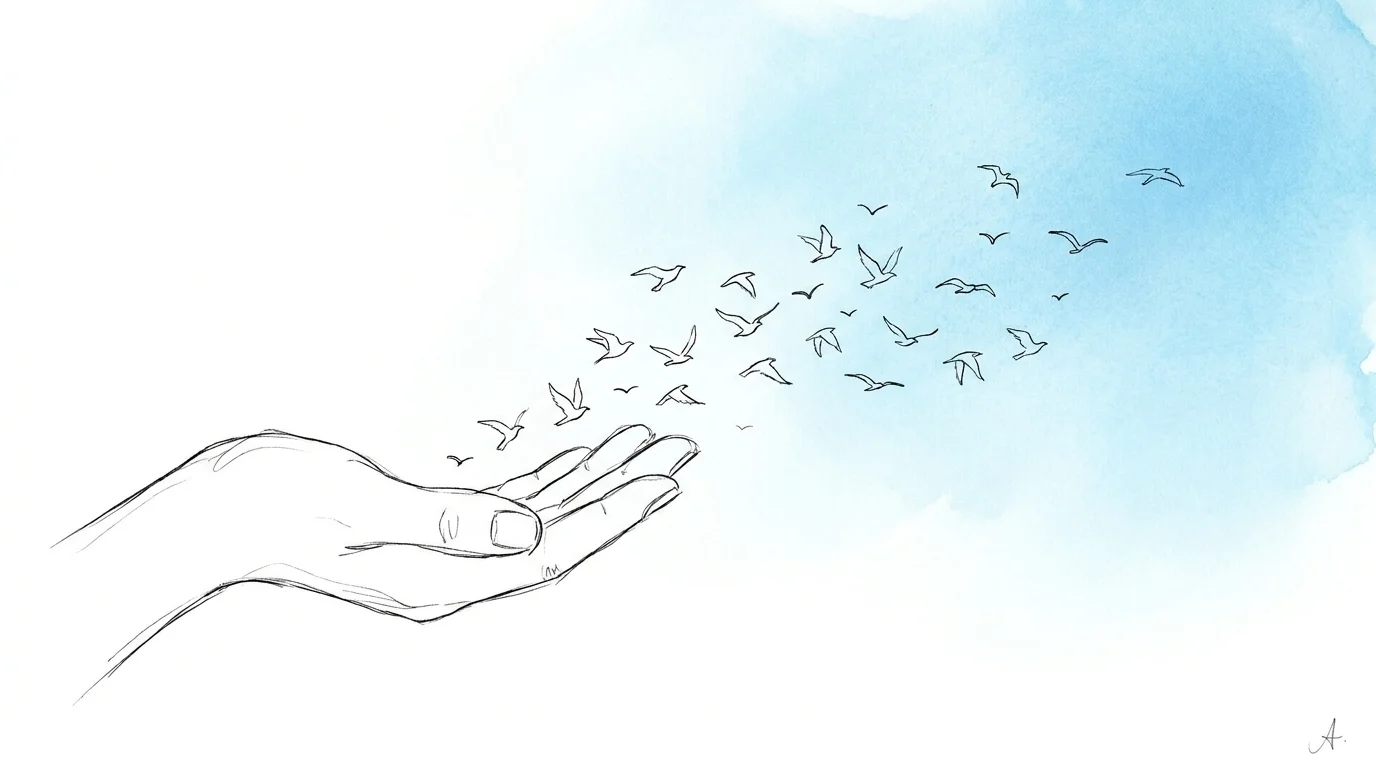
Holding onto anger requires an immense amount of emotional energy. Looking back, many people realize that the grudges they nurtured for decades ultimately only harmed themselves. They wish they had practiced forgiveness much sooner, not to excuse bad behavior, but to liberate their own minds.
To practice releasing grievances, try a mindful check-in whenever you feel old resentment rising. Pause, take a deep breath, and ask yourself if this anger is helping you build the life you want today. If the answer is no, visualize the grievance as a heavy stone and consciously imagine setting it down on the ground.

4. Investing Time in Meaningful Friendships
As careers wind down and families grow more independent, the importance of strong, enduring friendships becomes vividly clear. Many individuals over seventy regret letting casual acquaintances fade away simply because they were too busy with work. Cultivating friendships requires vulnerability and consistent effort.
To begin nurturing these connections, use a simple conversation opener with an acquaintance you would like to know better. You might say: I am trying to be more intentional about staying connected with people I value; would you be open to grabbing coffee or a tea next Tuesday?
This direct, warm approach removes the guesswork and honors the relationship.
5. Prioritizing Gentle Movement and Body Connection
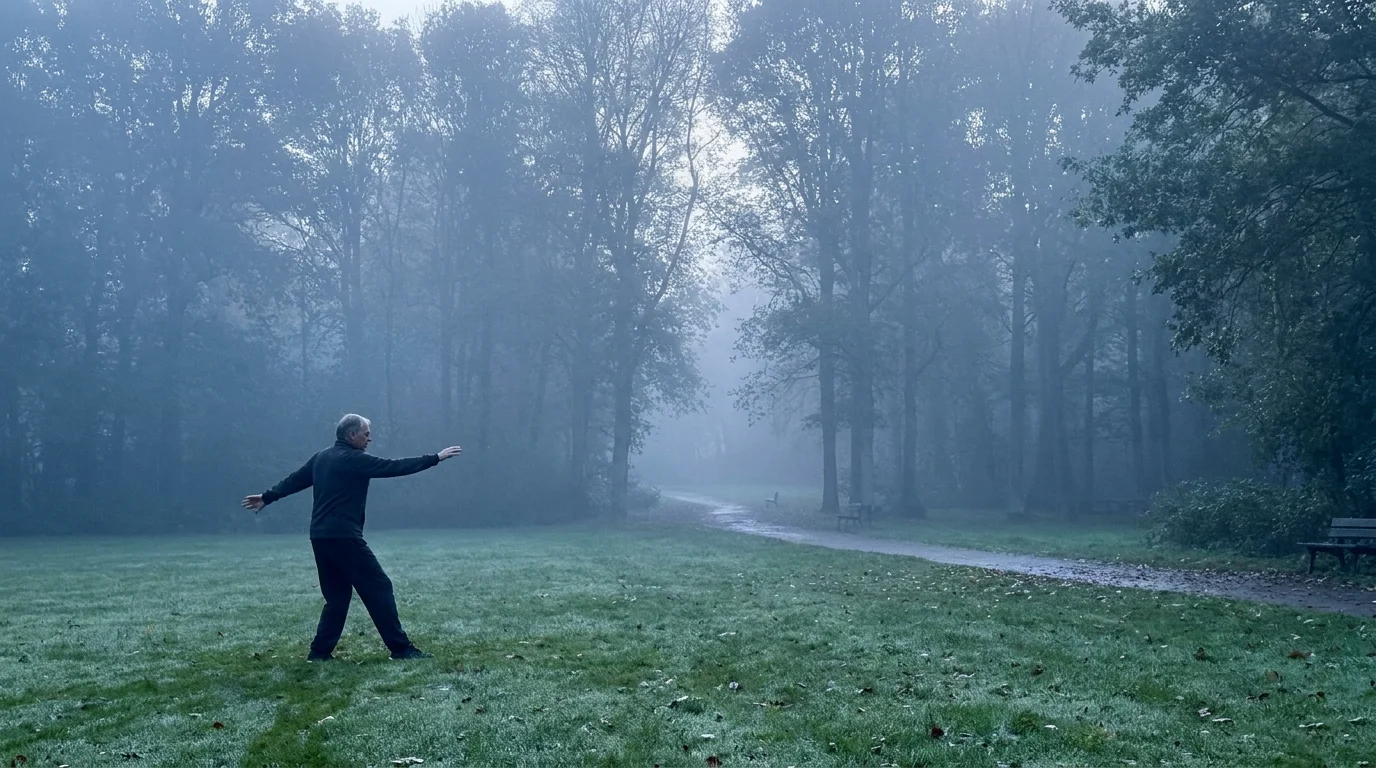
It is common to view exercise merely as a tool for weight loss or performance, but aging wisdom frames movement as a vital celebration of what your body can do.
People in their later years often wish they had focused less on rigorous, punishing workouts and more on consistent, gentle movement that keeps the joints mobile and the mind clear. As an actionable practice, incorporate a daily fifteen-minute mindful walk into your routine.
Focus entirely on the physical sensation of your feet touching the ground and the rhythm of your breathing. For safety, always consult your physician before beginning any new physical regimen, particularly if you have chronic health concerns.

6. Setting Clear Boundaries with Adult Children
Navigating the transition from parenting a child to relating to an adult offspring is a delicate process. Many seniors reflect that they overextended themselves financially or emotionally out of habit, which ultimately bred resentment. Setting boundaries actually preserves the integrity of the relationship. Your actionable practice is to define your availability clearly.
If you feel overwhelmed by caregiving or financial requests, practice stating a gentle boundary: I love you and support you, but I am unable to provide that specific help right now; let us brainstorm other solutions together. This protects your energy while maintaining a loving connection.

7. Embracing Quiet and Stillness Without Guilt
Society conditions us to measure our worth by our productivity. Because of this, many people spend decades feeling guilty whenever they rest. By the time they reach their seventies, they realize that stillness is not laziness; it is a necessary space for emotional processing and spiritual connection.
To embrace this lesson, schedule a ten-minute block of unstructured time into your day. Sit in a comfortable chair without the television, a book, or your phone. Simply let your mind wander. Treat this time as a vital appointment with yourself that cannot be canceled.
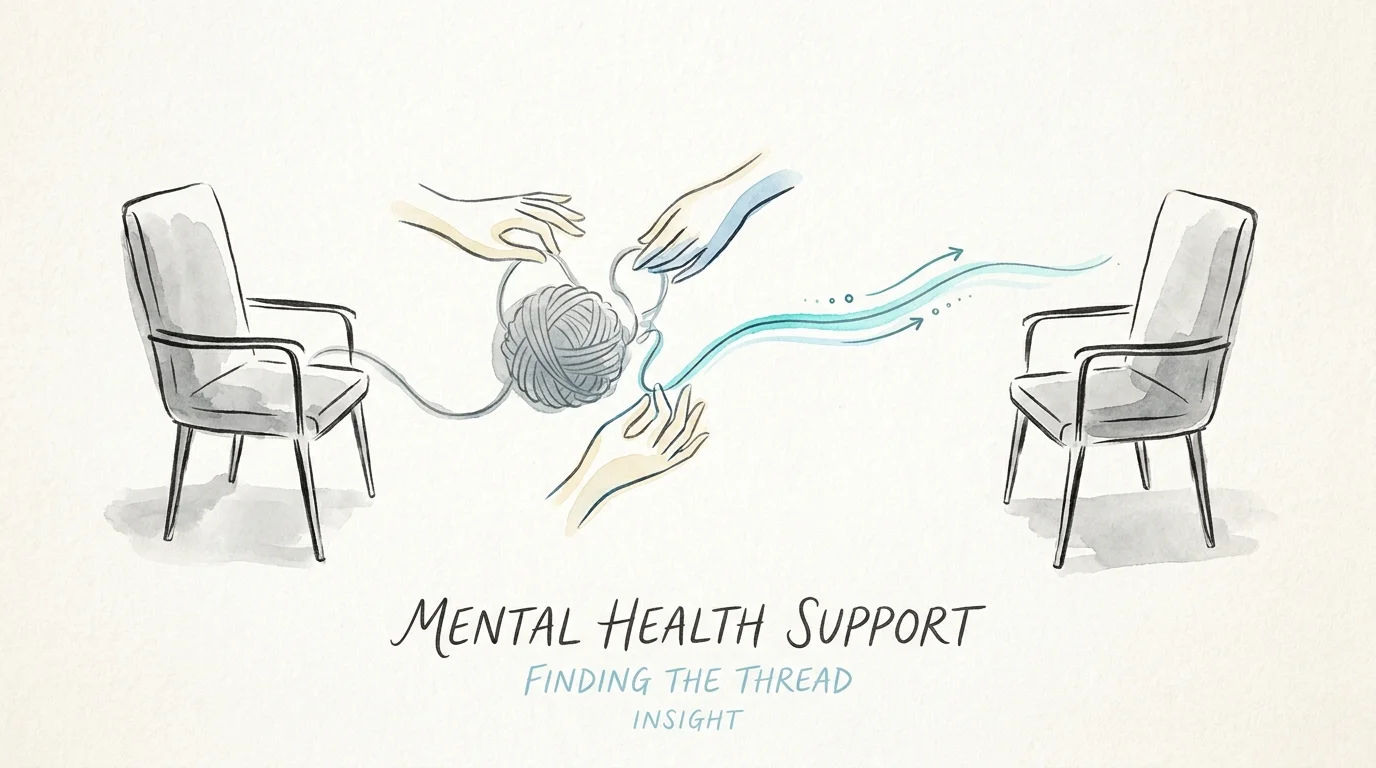
8. Seeking Mental Health Support Sooner
Generational stigmas often prevented older adults from discussing anxiety, depression, or profound grief. Looking back, a common regret is suffering in silence for years when compassionate, effective help was available. Therapy offers you a safe space to unpack complex emotions and develop coping strategies that improve your daily life.
Your safety cue for this item is to monitor your emotional baseline. If you find that feelings of sadness, anxiety, or apathy consistently interfere with your ability to enjoy your days, treat this as a signal to consult a licensed professional. There is no age limit on emotional healing.

9. Taking Small, Calculated Risks
Fear of failure frequently keeps people locked in uncomfortable but familiar routines. Aging provides a clear vantage point: the risks we regret most are usually the ones we never took.
Whether it involves traveling to a new city alone, learning a complex new skill, or expressing deep romantic feelings, the sting of rejection fades much faster than the ache of wondering what might have been. Your actionable practice is to identify one small, manageable risk you can take this month.
It might be attending a social group where you know no one, or finally submitting a creative project you have kept hidden. Take the step and celebrate the courage it required, regardless of the outcome.