How We Experience Regret and Insight
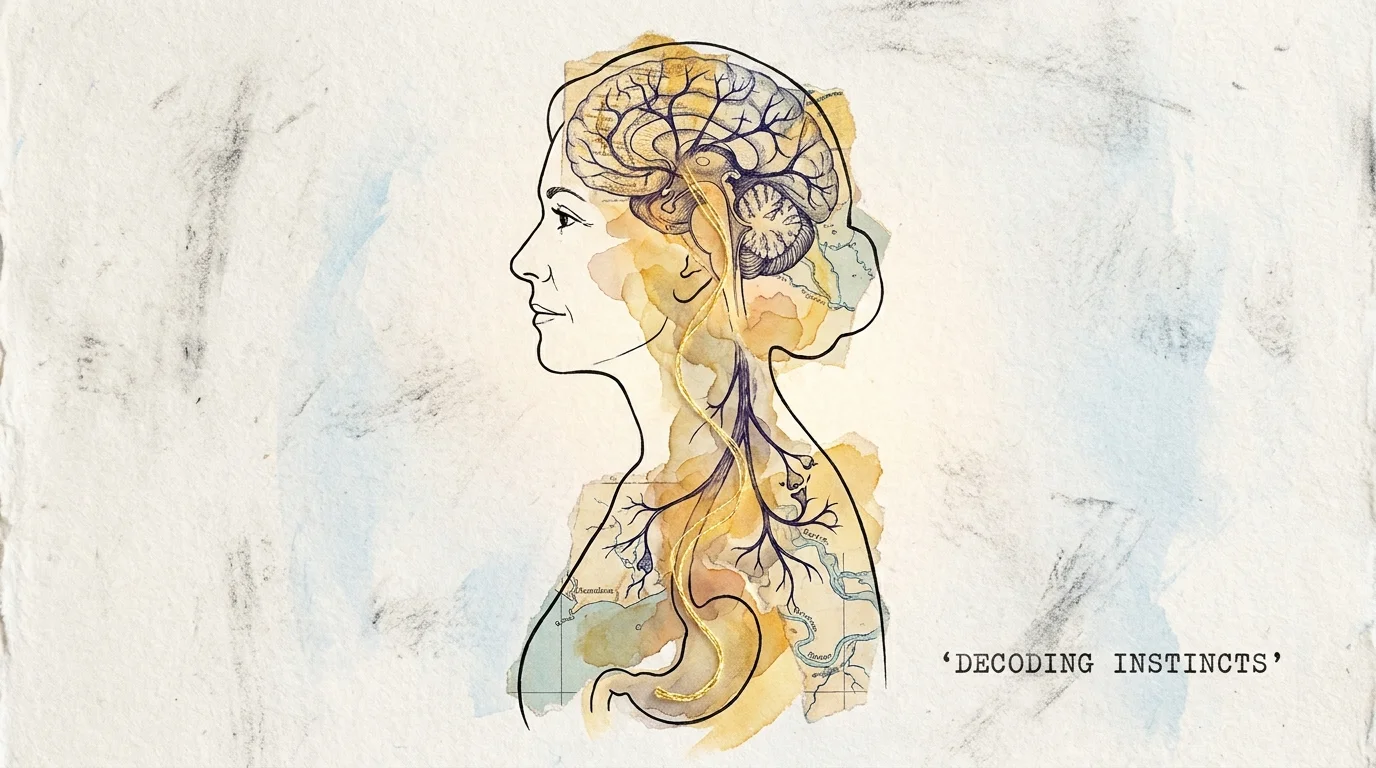
When you reflect on the choices you made twenty or thirty years ago, you often encounter a complex mix of pride and regret. The human brain continuously seeks patterns to make sense of our personal narratives.
This pattern-seeking behavior helps you draw lessons from past actions, but it can also trap you in cycles of guilt if you are not careful. Understanding how your mind processes these memories empowers you to extract the lesson without carrying the emotional burden.
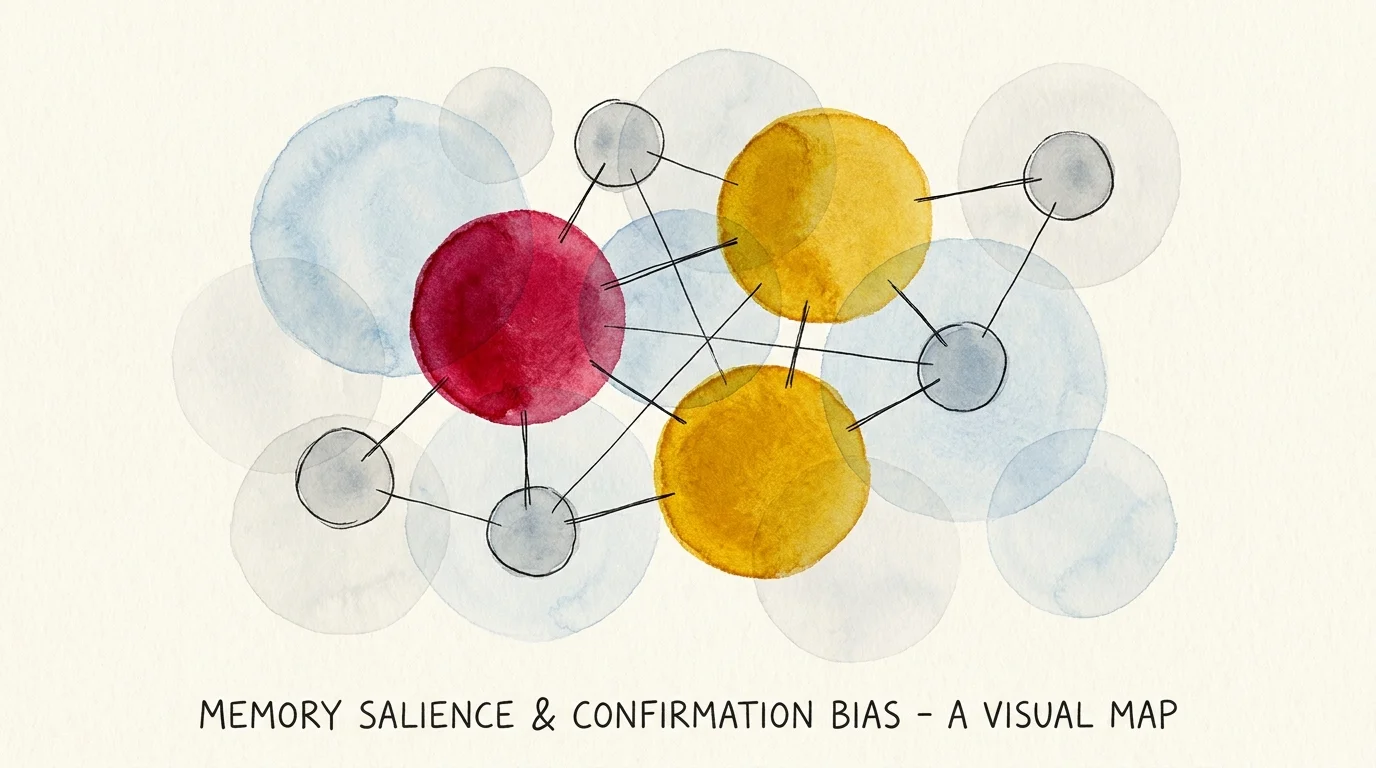
You might notice a cognitive tendency known as memory salience. This term describes how highly emotional or unusually stressful events stand out vividly in your mind, while mundane, peaceful days fade from memory.
Because of memory salience, you might falsely believe your life contained more hardship than joy, or you might focus heavily on a few pivotal mistakes. By becoming aware of this bias, you can gently challenge your own narrative and search for the quiet, sustained moments of happiness that also defined your journey.
Another cognitive pattern to watch for is confirmation bias. This is the tendency to notice only the signs or memories we already expect to see. If you believe you always made poor relationship choices, your brain will highlight every failed connection while ignoring the friendships that brought you steady comfort.
Acknowledging confirmation bias kindly allows you to broaden your perspective. You learn to hold your memories loosely, separating your core identity from the temporary actions of your past. This mental flexibility is the exact trait many individuals over seventy report wishing they had developed much earlier in life.