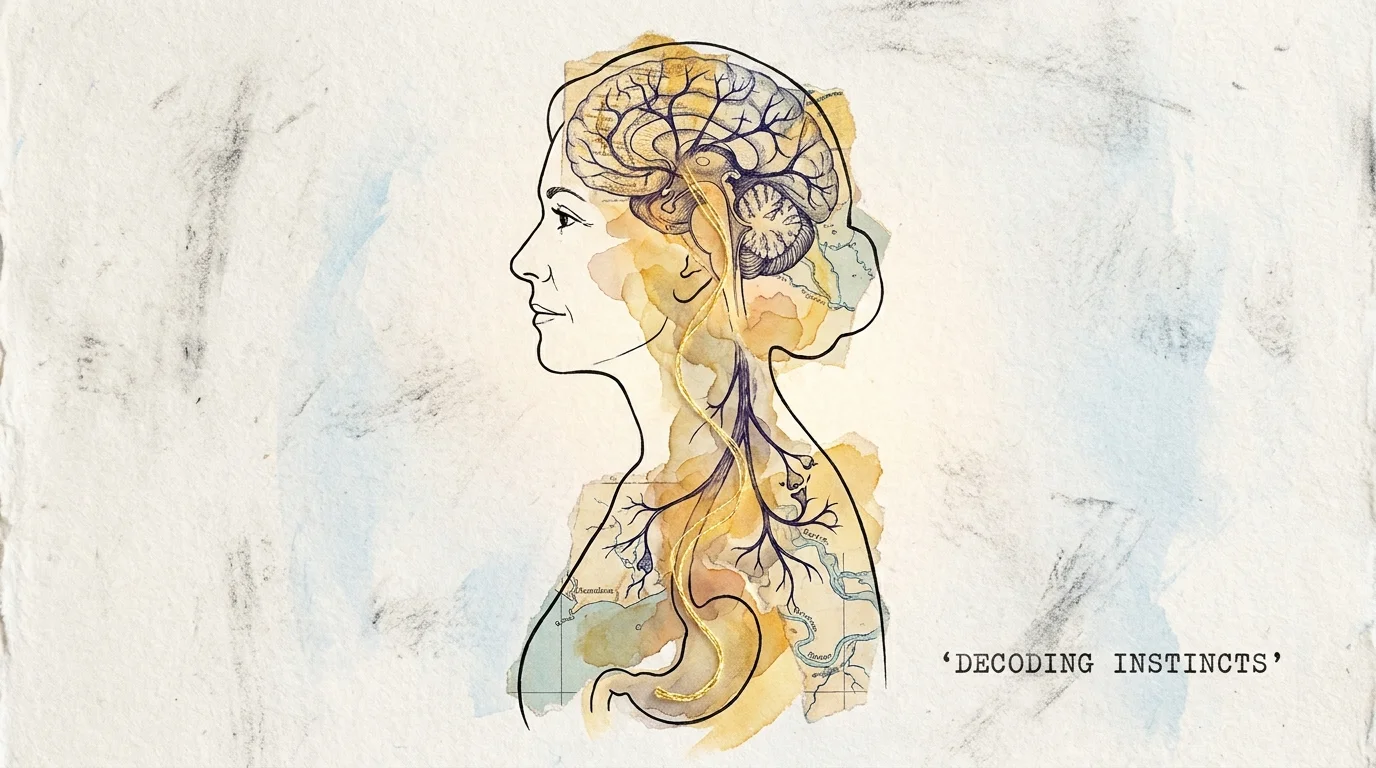
Recognizing subtle emotional shifts can transform how you navigate your personal connections and safeguard your inner peace. Trusting your intuition in relationships allows you to address underlying issues before they grow into unmanageable conflicts.
Our instinct for detecting when a situation misaligns with our core values often sharpens over time, yet we may still dismiss these quiet warnings as mere anxiety or overthinking. Tuning into these gentle internal nudges empowers you to make decisions rooted in clarity rather than fear.
Understanding the nuanced differences between a passing mood and a persistent sense of unease will help you protect your emotional well-being and foster healthier, more authentic bonds.
Understanding the Whispers of Your Intuition
Emotional awareness acts as a silent compass, gently guiding you through the complexities of daily life and long-term commitments.
Throughout history and across various cultures, people have revered this quiet inner knowing; Eastern philosophies often describe it as a resonance within the energy centers of the body, while Western traditions frequently refer to it as a gut feeling or the voice of conscience.
Regardless of the cultural lens you look through, that subtle sensation that something is not quite right deserves your thoughtful attention rather than immediate dismissal.
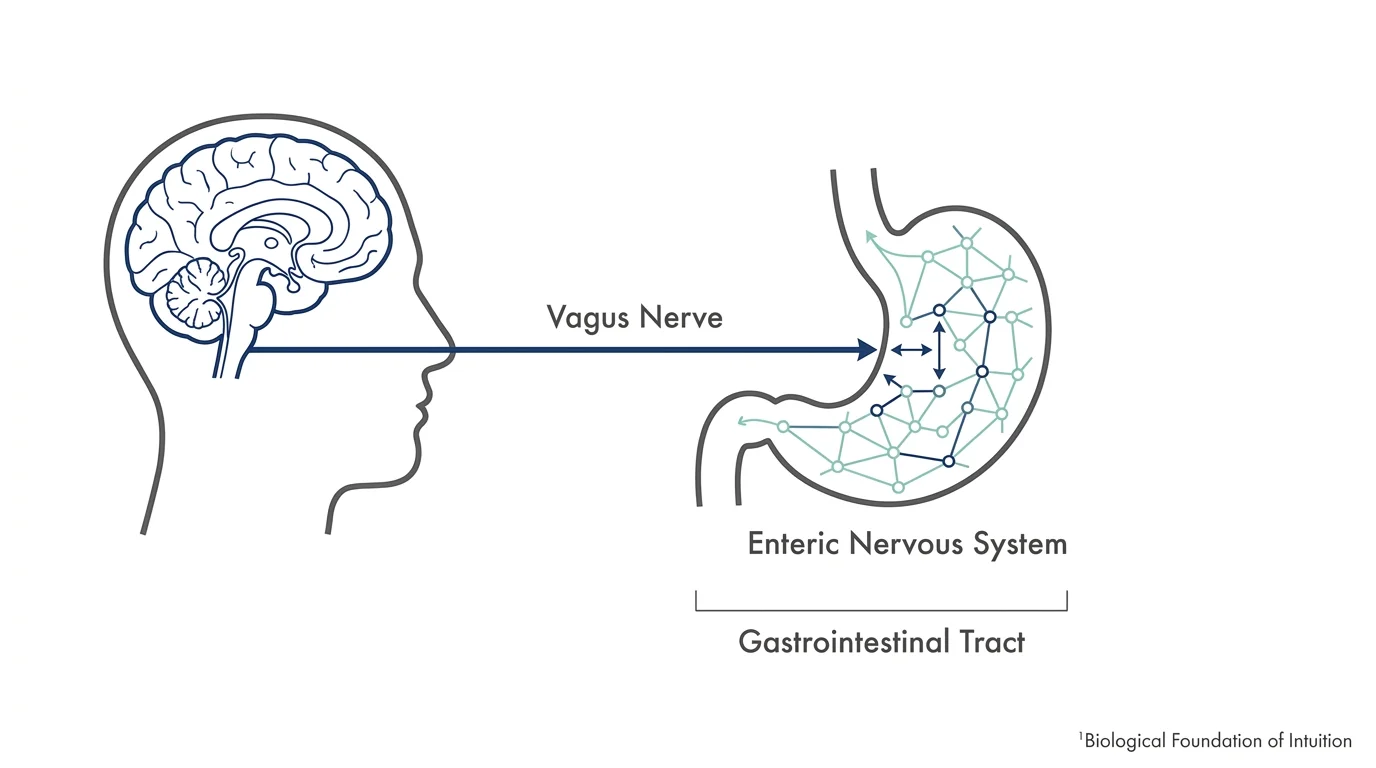
Many people interpret these feelings as spiritual guidance or messages from beyond, especially when navigating seasons of grief or deep transition. Research suggests a more biological foundation for these experiences, pointing to the enteric nervous system—a vast network of neurons in your gastrointestinal tract that communicates directly with your brain.
This physiological connection explains why you often feel emotional disturbances physically long before your logical mind can articulate the exact problem. Both perspectives offer valuable ways to understand your lived experience, blending the search for profound meaning with biological reality.
When you begin examining these feelings, you must navigate the natural tendencies of the human mind with compassion. Cognitive psychology introduces the concept of confirmation bias, which is our natural inclination to seek out information that supports what we already suspect while quietly ignoring evidence to the contrary.
Recognizing this psychological trait does not invalidate your feelings; rather, it provides a grounded framework to explore them safely. Acknowledging your biases helps you distinguish between genuine relationship warning signs and the temporary anxieties that naturally surface during stressful periods.