Boundaries, Safety, and Recognizing Red Flags
Navigating profound emotional shifts requires rigorous boundaries, particularly if you are also managing the complex layers of grief. When you lose someone you love, your emotional awareness often becomes simultaneously heightened and intensely fragile.
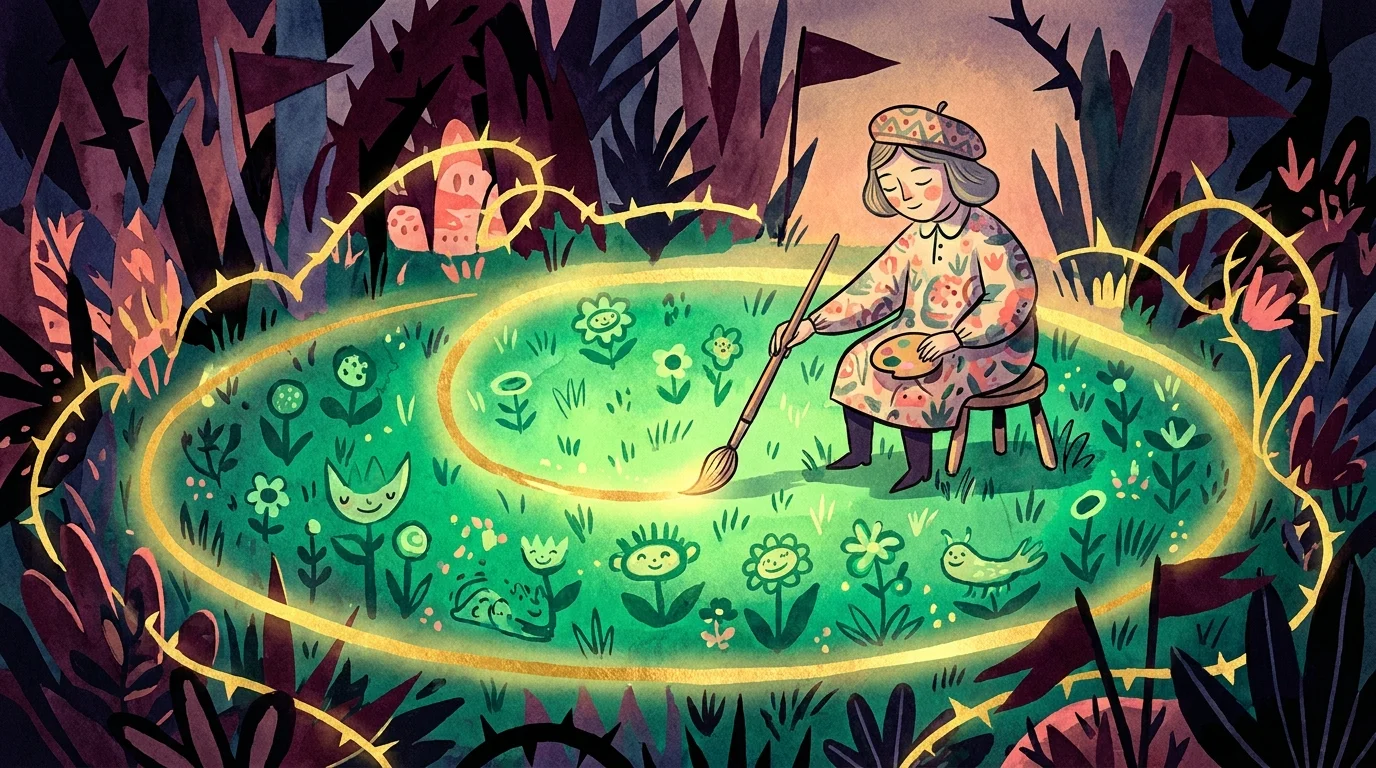
During these vulnerable seasons, the yearning for resolution or spiritual connection can occasionally cloud your judgment, making it difficult to distinguish between helpful guidance and exploitative practices. You must remain vigilant about protecting your emotional energy and financial resources while seeking clarity.
There are clear red flags to watch for when seeking external help for your emotional well-being.
Whether you are speaking with a spiritual advisor, a relationship coach, or a holistic practitioner, you should immediately walk away from anyone who guarantees impossible results, pressures you into purchasing expensive packages, or demands that you keep your work with them a secret from your trusted friends and family.
True healing professionals will always empower you, respect your personal pacing, and encourage you to build a diverse support network.
Furthermore, exploring your intuition should never replace foundational medical or psychological care. If your feelings of unease manifest as severe anxiety, depression, or an inability to function in your daily life, bridging the gap between spiritual exploration and clinical support is essential. You can find robust mental health support and resources at SAMHSA.
For evidence-based insights into managing profound loss, you can explore grief and coping resources at the American Psychological Association (APA) and the NIH. If you are interested in safely integrating holistic approaches alongside traditional care, you can learn about complementary practices via NCCIH.