8 Quiet Signs Something May Feel Off

1. A Persistent Tightness in Your Body
Your physical body frequently processes emotional distress long before your conscious mind acknowledges the discomfort. You might experience this as a shallow breathing pattern, a clenched jaw, or an unexplainable knot in your stomach when anticipating a specific interaction.
These somatic responses serve as your body’s early warning system, attempting to physically brace you against an environment that feels emotionally unsafe. Rather than reaching for immediate distractions to numb this physical tension, you can use it as a powerful diagnostic tool for your emotional health.
To safely explore this physical sensation, try a simple journaling prompt this evening. Sit quietly with a notebook and ask yourself: Where exactly does the tension sit in my body, and what happens to it when I picture walking away from my current stressor?
Documenting the physical location of your anxiety helps you separate the raw sensation from the swirling thoughts in your mind. If the physical symptoms become overwhelming or mimic medical issues like chest pain, you must consult a healthcare professional immediately to rule out any underlying physiological conditions.

2. Emotional Exhaustion After Routine Interactions
Healthy connections should generally leave you feeling grounded, seen, and relatively energized; however, an unbalanced dynamic often acts like a slow leak in your emotional reserves. You may find that after spending just an hour with a certain person, you need an entire afternoon of solitude to recover your baseline mood.
This profound social fatigue indicates that you are likely doing an excessive amount of invisible emotional labor, such as managing the other person’s moods, carefully curating your words, or suppressing your own needs to maintain the peace.
Implement a mindful check-in to track your energetic drain objectively. Before engaging with the person or environment in question, rate your current energy level on a simple scale from one to ten; repeat this exact process immediately after the interaction concludes.
By tracking this data over several weeks, you can identify clear patterns that validate your intuition. Always remember to differentiate this specific emotional exhaustion from general life fatigue by noting whether the drain occurs universally or only in response to targeted situations.
3. Over-Explaining Your Decisions to Yourself
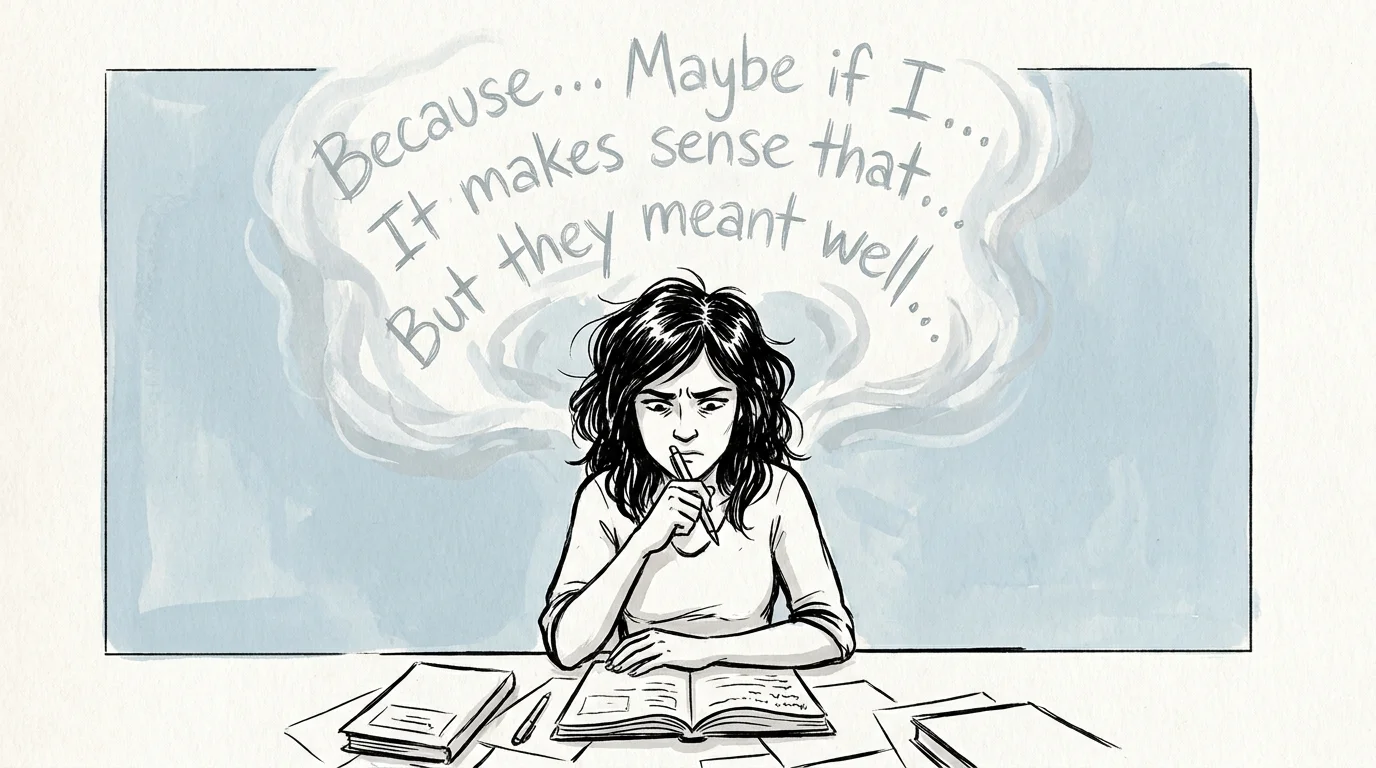
When a situation inherently aligns with your core values, your choices usually feel self-evident and require very little internal justification. Conversely, when you sense deep down that something is amiss, you might catch yourself caught in loops of cognitive dissonance—the uncomfortable mental friction that occurs when your beliefs clash with your current reality.
You may find yourself holding silent, elaborate arguments in your head, constantly defending your partner’s poor behavior or talking yourself out of your own valid feelings of disappointment.
A highly effective practice for breaking this cycle is the raw sentence exercise. Challenge yourself to write down your core feeling about the situation in a single sentence without using the word “because” or offering any external justifications.
For example, simply write, “I feel disrespected in this friendship,” rather than adding excuses about how stressed your friend has been lately. Stripping away the explanations leaves you face-to-face with your honest emotional baseline, removing the noise of endless rationalization.

4. A Sudden Shift in Your Sleep Patterns
The subconscious mind uses the quiet hours of the night to process the emotional data you ignored or suppressed during the busy daylight hours. You might experience sudden onset insomnia, frequent waking during the early morning hours, or vivid, unsettling dreams that leave you feeling panicked upon waking.
While some people interpret these intense nocturnal experiences as spiritual visitations or prophetic warnings, they frequently represent your brain’s natural mechanism for untangling complex emotional conflicts that you feel unequipped to handle while awake.
Because disrupted sleep can rapidly degrade your overall well-being and cloud your judgment, prioritizing your rest is an essential safety cue. Focus on establishing a calming wind-down routine that completely avoids emotionally heavy conversations or screens at least an hour before bed.
If sleep disturbances persist for more than a few weeks, it is crucial to consult a medical professional, as chronic insomnia can exacerbate anxiety; you can also review practical sleep facts at the Sleep Foundation to help optimize your nightly routine.
5. Feeling Unseen or Unheard in Conversations
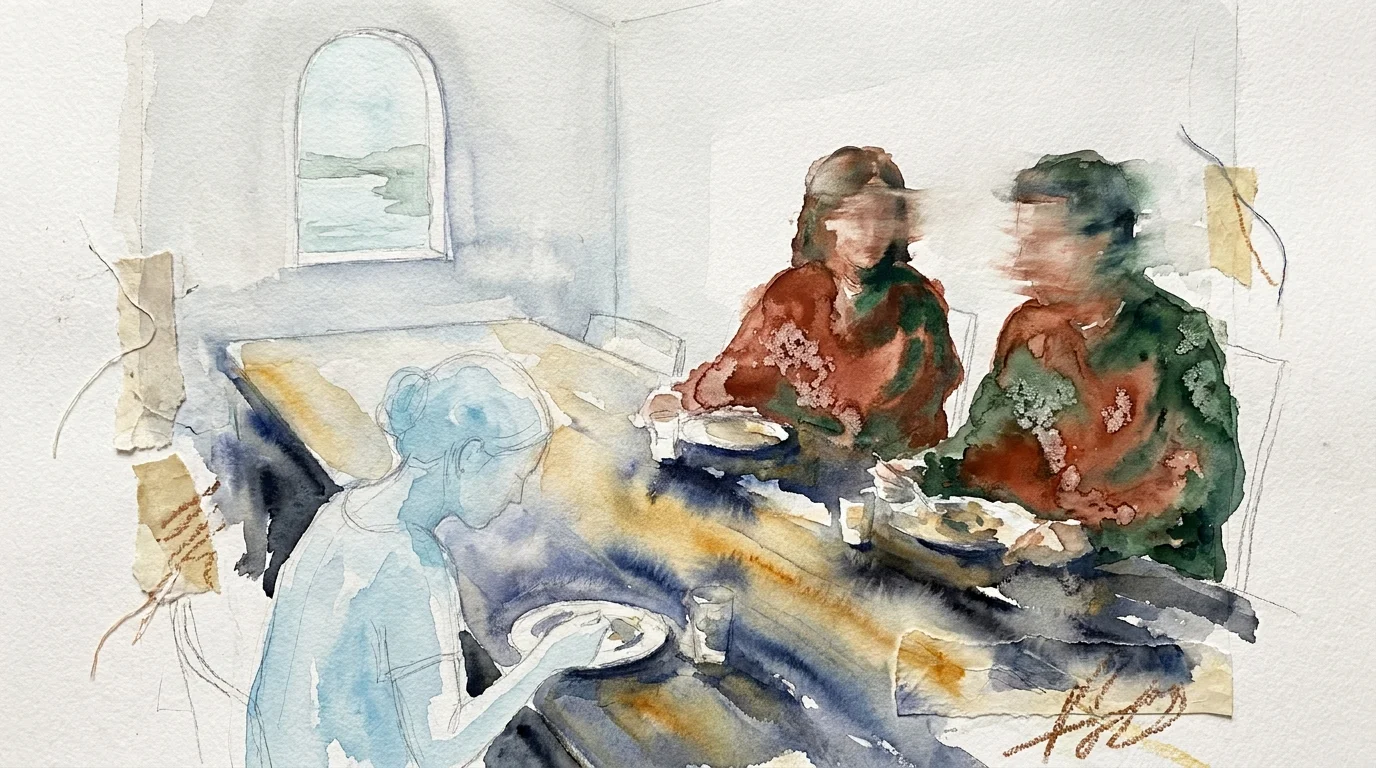
A hallmark of a thriving relationship is mutual curiosity and active validation, even during moments of disagreement. When you consistently share your thoughts, fears, or joyous moments only to be met with blank stares, immediate topic changes, or dismissive remarks, your emotional awareness will rightly sound an alarm.
Imagine sharing a deeply personal memory about a loved one who has passed, only for your conversational partner to immediately shift the topic to their own weekend plans. This subtle deflection, happening repeatedly, serves as a profound relationship warning sign.
Addressing this dynamic requires gentle but direct communication to test the waters of the relationship.
Prepare a simple conversation opener to use during a calm moment, such as: “I have noticed I feel a bit hesitant to share my personal thoughts lately because I often feel the topic shifts quickly away; can we talk about how to make our conversations feel more balanced?” How the other person responds to this vulnerable, non-accusatory statement—whether with defensive anger or genuine curiosity—will provide you with the concrete data you need to assess the health of the bond.

6. The Lingering Sense of Walking on Eggshells
Operating in a state of chronic hypervigilance—constantly scanning the environment to predict and prevent someone else’s negative reaction—is incredibly damaging to your nervous system. If you find yourself pre-editing your thoughts, meticulously monitoring your tone of voice, or hiding harmless actions to avoid triggering an unpredictable outburst, your environment is fundamentally lacking emotional safety.
This delicate, tiptoeing dynamic forces you to shrink your authentic self to accommodate the unmanaged volatility of another person.
Your primary action here must focus on recognizing your non-negotiable emotional boundaries. Identify one specific behavior you will no longer tolerate, such as being spoken to with a raised voice, and determine a safe exit strategy for when it happens, like calmly leaving the room.
Safety is paramount; if your sense of walking on eggshells stems from a fear of physical or severe psychological harm, you must bypass internal boundary-setting and seek immediate external support from licensed domestic safety professionals.

7. Relying Heavily on Past Memories Over Present Realities
Nostalgia is a powerful emotion that can temporarily soothe the pain of a deteriorating connection. When the present reality of a relationship feels cold, distant, or actively hurtful, you might find yourself constantly retreating into the warmth of old memories to justify staying in the dynamic.
You may catch yourself saying, “But they were so kind to me five years ago,” using a historical version of the person to excuse their current, unacceptable behavior. This indicates that you are in a relationship with a memory rather than the person standing in front of you.
To ground yourself, practice a simple reality-testing exercise to anchor your awareness firmly in the present day. Draw a line down the center of a piece of paper; on the left side, list three beautiful memories from the past, and on the right side, list three factual interactions that occurred within the last two weeks.
Comparing the two columns objectively allows you to honor the beauty of what the relationship once was while honestly confronting the reality of what it has currently become.

8. A Gentle but Persistent Urge to Pull Away
Sometimes, intuition in relationships does not manifest as a loud, dramatic conflict, but rather as a quiet, persistent yearning for distance. You might suddenly crave spending your weekends alone, find excuses to decline invitations, or feel a profound sense of relief when plans with a certain group are canceled.
This urge to retreat is your psyche’s natural defense mechanism, encouraging you to create the necessary physical and emotional space required to evaluate the situation without external influence or pressure.
Instead of judging yourself for wanting to withdraw, lean into the urge mindfully without making abrupt, irreversible decisions. Take a solitary, mindful walk through a quiet park or neighborhood, allowing yourself to observe this desire for distance with neutral curiosity.
Ask yourself what you are truly retreating from—is it a specific person’s negativity, a demanding environment, or perhaps an outdated version of yourself? Granting yourself permission to step back temporarily often provides the exact clarity you need to move forward with confidence.