
10 Most Meaningful Things to Write in a Retirement Card That Will Be Remembered
Finding the exact words to express a lifetime of appreciation can feel daunting. By breaking down your sentiments into specific themes, you can construct a message that feels deeply personal and authentic. Each of the following approaches offers a unique way to celebrate the retiree while maintaining emotional safety and respect for their transition.

1. Acknowledge Their Specific Impact on Your Personal Growth
Generic praise often falls flat because it applies to anyone. To create memorable retirement card messages, you must highlight the exact ways this person altered your trajectory. When you name a specific skill they taught you or a perspective they shifted, you transform abstract gratitude into concrete evidence of their usefulness. This deeply validates their time spent mentoring or guiding you.
You might write something similar to acknowledging how their patient guidance during your first major project completely changed your approach to problem-solving. Tell them that every time you successfully navigate a difficult client interaction, you use the exact phrasing they taught you five years ago. This shows them that their influence continues to live on through your daily actions.
To implement this practice, spend ten minutes journaling about your earliest interactions with the retiree. Ask yourself what you do better today because of their direct intervention. Taking the time to unearth a specific teaching moment ensures your heartfelt retirement card text carries undeniable emotional weight.

2. Share a Vivid, Grounding Shared Memory
Episodic memories function as powerful emotional anchors. Recalling a shared experience—especially one that involves overcoming a challenge or sharing a moment of levity—reminds the retiree of their vital role within the community. It proves that you truly saw them and valued your time together.
Consider writing about the Tuesday evening you both stayed late to fix a massive shipping error, and how their calm demeanor kept the entire team from panicking. Remind them of the specific joke they told that broke the tension, or the particular brand of coffee you shared at midnight. These tiny sensory details make the message leap off the page.
Before writing, mentally walk through the physical spaces you shared with this person. Picture the breakroom, their office, or the conference table. The first vivid memory that brings a smile to your face often serves as the perfect centerpiece for retirement card words remembered long after the farewell party.

3. Validate the Complex Emotions of Their Transition
Many people feel an intense pressure to display unrelenting happiness regarding their retirement. Acknowledging that transitions bring mixed feelings provides immense emotional relief. Giving them permission to miss the work, the people, and the routine shows profound psychological insight and empathy.
You could express that while you are thrilled they finally get to spend more time in their garden, you also recognize how strange it must feel to close such a massive chapter. Let them know it is perfectly normal to feel a sense of loss alongside their excitement, and that their complex feelings are entirely valid.
A simple check-in practice involves examining your own feelings about change. If you feel sad that they are leaving, it is appropriate to gently state that you will miss their daily presence. Sharing your own mild, manageable sadness helps normalize any grief they might be experiencing secretly.
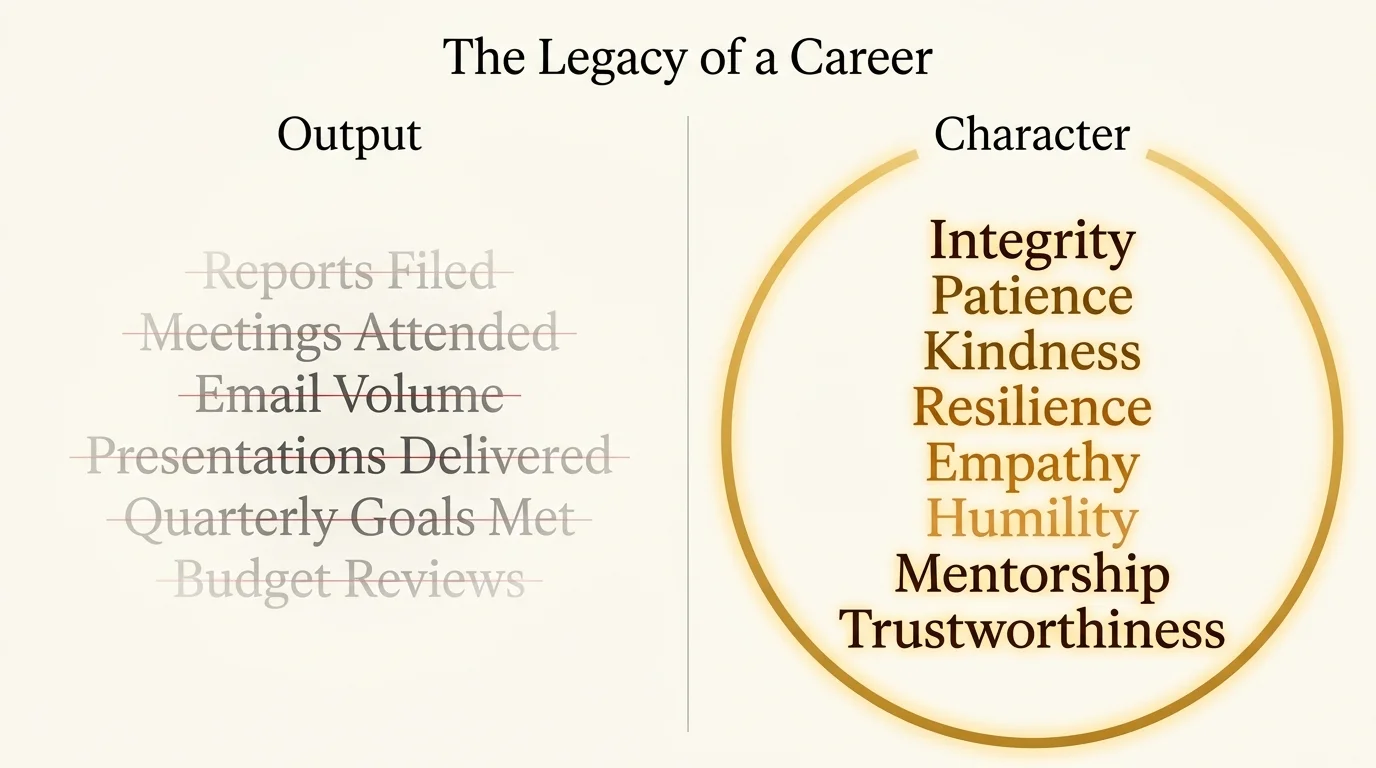
4. Celebrate Their Character Over Their Output
Corporate environments heavily condition individuals to attach their self-worth to their productivity. When retirement removes that productivity, people can feel worthless. Structuring your message to celebrate who they are, rather than just what they produced, counters this harmful narrative.
Rather than praising their sales numbers or their flawless attendance record, tell them you will miss their unwavering integrity. Write about how their natural kindness made the office a psychologically safe place for everyone. Emphasize that their best asset was never their output, but rather their core human decency.
Try a quick reflection exercise by asking yourself how this person made you feel, rather than what they helped you accomplish. Did they make you feel heard? Did they make you feel secure? Translating those feelings into words creates a deeply meaningful message that speaks directly to their soul.

5. Express Genuine Gratitude for Their Silent Mentorship
Some of the most powerful leadership happens quietly, through example rather than formal training. Recognizing the things they taught you simply by being themselves provides a profound sense of validation. Many older adults worry that their quiet contributions went unnoticed; your card can prove otherwise.
Explain how watching them handle stressful negotiations with grace taught you more about professionalism than any corporate seminar ever could. Mention that you noticed the small, quiet ways they supported junior staff members without ever asking for recognition. Bringing these hidden acts into the light serves as a beautiful tribute.
Take a moment to observe your current work habits. Identify one positive habit you unconsciously absorbed from watching the retiree. When you reveal this silent knowledge transfer in your message, you provide them with a tangible sense of enduring legacy.

6. Offer Warm Wishes for Rest and Physical Restoration
Decades of labor take a significant toll on the human body and mind. Encouraging true, unapologetic rest helps the retiree mentally detach from the grind culture. A blessing for deep restoration honors their hard work while gently pushing them toward vital self-care.
You might write that you hope their upcoming months are filled with slow mornings, uninterrupted rest, and the joy of never having to set an alarm clock again. Wish them physical healing and mental peace as they transition away from daily stress.
As they adjust their daily rhythms, understanding sleep architecture becomes important. You can direct them to sleep facts at the Sleep Foundation if they ever express anxiety about changing sleep patterns. Remind them in your card that their only job now is to embrace relaxation without guilt.
7. Honor Their Resilience Through Difficult Seasons
Every long career includes periods of severe difficulty, organizational turmoil, or personal hardship. Acknowledging that they survived these trials and emerged with their dignity intact shows deep respect for their fortitude. It honors the complete truth of their journey, not just the easy parts.
Detail how much you respected their steady leadership during the difficult merger three years ago, or how their resilience inspired you when the industry faced massive downturns. Let them know that their ability to weather storms served as a lighthouse for everyone else around them.
Reflect on the hardest season you endured together. Writing about the shared survival of a difficult period builds an unbreakable bond. It proves that you honor their strength just as much as you celebrate their successes.
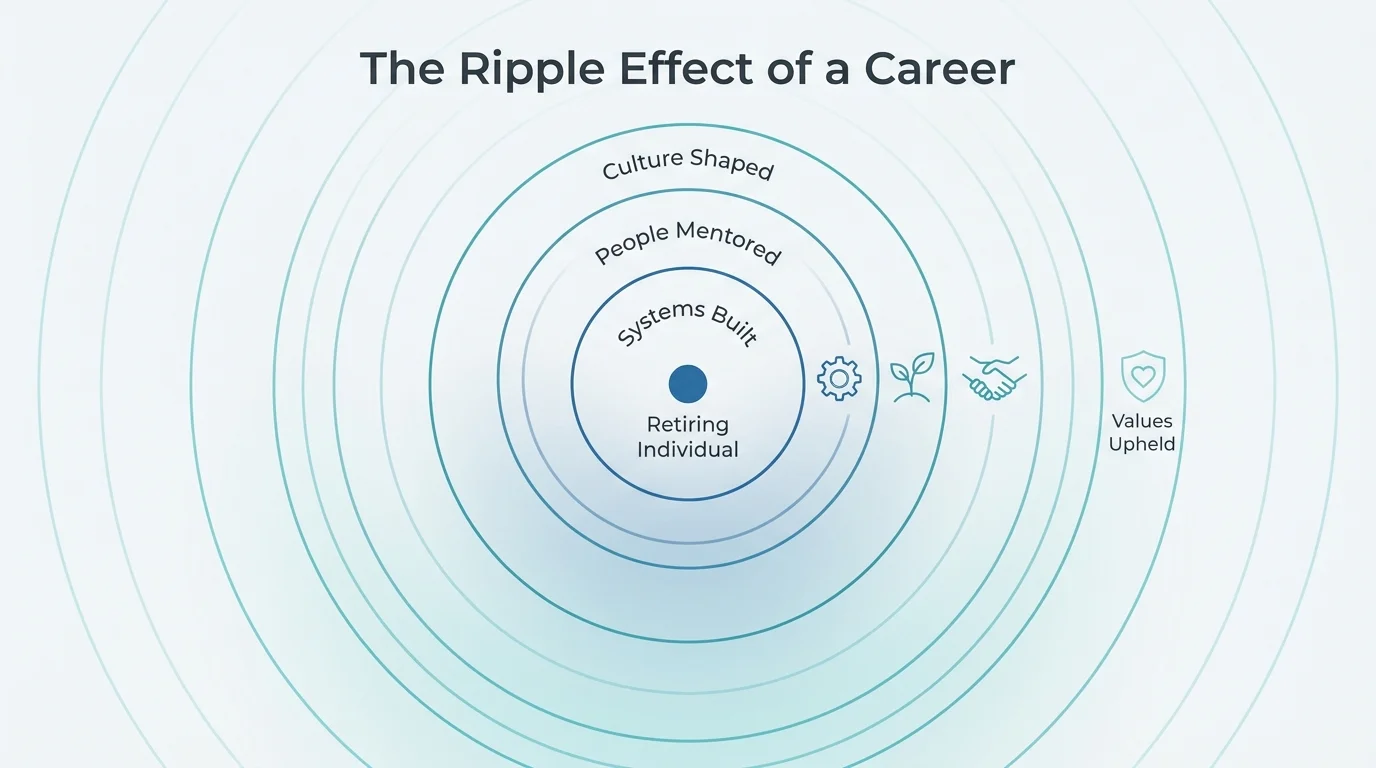
8. Highlight the Enduring Legacy They Leave Behind
Leaving a lasting mark remains a fundamental human desire. When you clearly articulate the specific legacy they leave behind, you fulfill this deep psychological need. You assure them that their decades of effort permanently changed the environment for the better.
Point out that the training program they designed will continue to educate new hires for years to come. Remind them that the culture of inclusivity they championed has permanently altered how the department operates. Give them concrete proof that their professional life mattered deeply to the institution.
Identify one physical process, cultural norm, or structural change that exists solely because of their efforts. Naming this specific legacy ensures you deliver memorable retirement card messages that they will proudly share with their family members.

9. Keep the Door Open for Authentic Connection
Retirement frequently triggers an acute sense of social isolation as daily workplace interactions vanish. Offering a genuine, low-pressure avenue for continued connection provides an essential social safety net. The key involves removing any sense of obligation from the invitation.
State clearly that while you want to respect their new boundaries and schedule, you would absolutely love to grab a cup of coffee whenever they feel settled. Reassure them that you genuinely value their friendship outside the confines of the workplace, but place the timeline entirely in their hands.
Before extending an invitation, carefully evaluate your own capacity for continued friendship. Only offer future contact if you truly intend to follow through. Authentic, bounded offers of connection are incredibly comforting to someone facing a sudden loss of community.

10. Write an Authentic Send-Off Based on Your Relationship
Your closing words carry the final emotional note of the message. Tailoring this send-off to the actual depth of your relationship ensures the card feels sincere rather than performative. You do not need to profess deep love to an acquaintance, nor should you be overly formal with a close mentor.
For a close colleague, you might close by stating you will carry their wisdom in your heart forever. For a distant acquaintance, a warm wish for abundant health and joyous new hobbies works perfectly. Aligning your tone with your reality builds trust and emotional safety.
If you prefer a more spiritually grounded closing, you might borrow concepts from mindful practices. Some individuals find peace in simple blessings or the concepts of Ho’oponopono phrases, which focus on reconciliation and gratitude. Wishing them profound peace and alignment in their next chapter serves as a universally comforting conclusion.