8 Signs Your Intuition Is Trying to Tell You Something
Recognizing intuitive signals requires mindful attention to subtle physical and emotional cues. Your inner guidance communicates through sensations, repetitive thoughts, and quiet emotional shifts. Here are eight clear signs your intuition is speaking to you.
1. A Physical Sensation in Your Gut or Chest
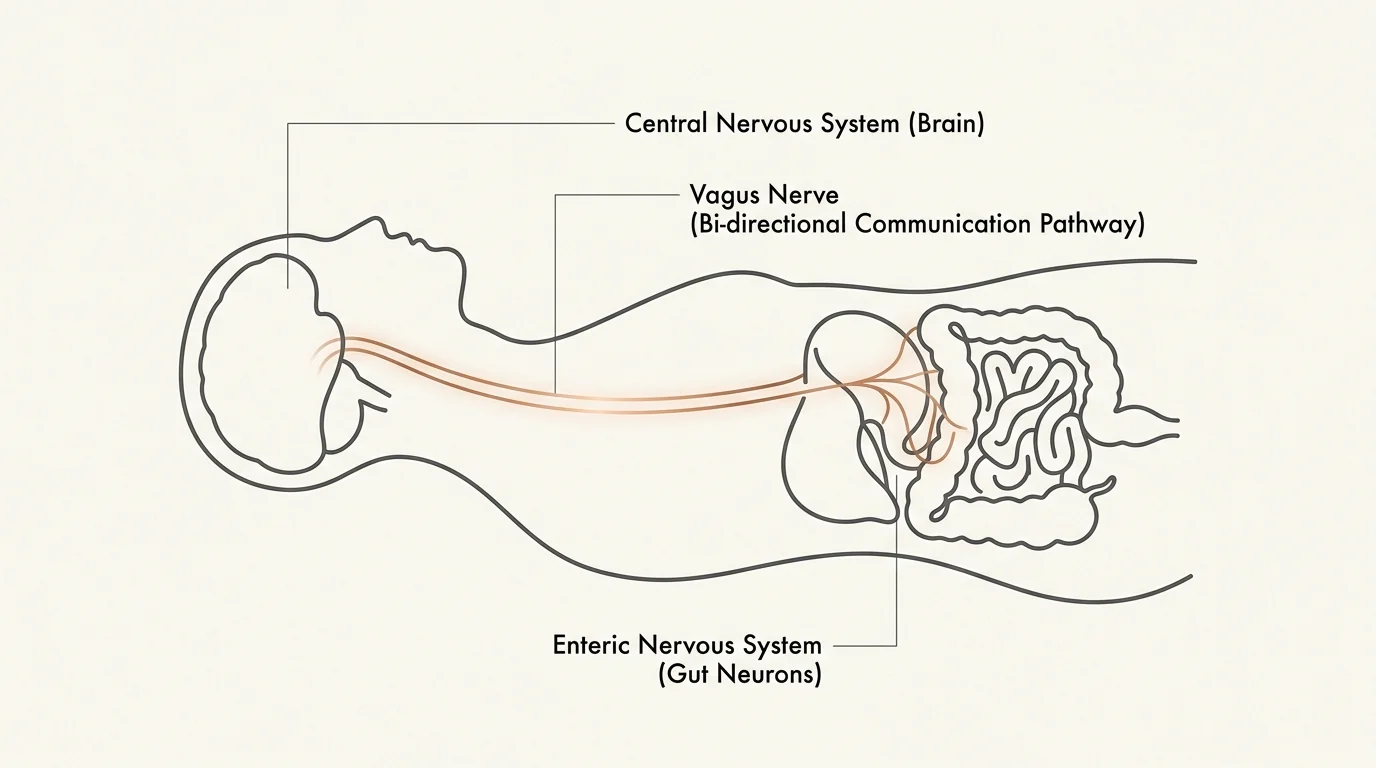
Your physical body often registers subtle changes before your conscious thoughts process them. You may feel a tight knot in your stomach when a choice feels wrong. In contrast, you might feel a pleasant warmth in your chest.
These sensations are classic signs of strong intuition at work. Your gastrointestinal tract reacts quickly to subconscious stress or excitement. Paying attention to these somatic cues helps you assess choices safely.
Practice a three-breath body scan whenever you face a difficult choice. Place your hand on your abdomen and inhale slowly. Notice whether your stomach muscles tighten with tension or relax with ease.
If your body constricts, pause before proceeding with the commitment. If your muscles soften, you likely feel aligned with the choice. Tracking these bodily responses builds lasting self-trust.
Notice how your digestion behaves during prolonged periods of uncertainty. Chronic digestive discomfort without a medical cause often mirrors unaddressed emotional conflicts. Resolving the underlying dilemma frequently restores physical comfort.
2. A Persistent Sense of Inner Calm Amid Chaos
During stressful events, your logical mind might experience worry or confusion. Yet underneath that mental noise, you might discover an unwavering sense of peace. This quiet stillness often signals a deep intuitive truth.
Fear and anxiety usually shout, while authentic intuition speaks with gentle authority. It does not demand frantic action or fuel irrational dread. Instead, it anchors you with steady confidence.
To test this signal, sit quietly for two minutes when you feel overwhelmed. Ask yourself if your urgency comes from fear or steady clarity. Write down the first calm thought that arises.
A genuine intuitive insight will remain calm and clear over several days. Anxious thoughts tend to shift, escalate, and create exhaustion. Learning this difference protects your emotional energy.
This inner peace does not mean the external problem has disappeared. Rather, it indicates that you possess the inner resources to handle the outcome. Trusting this stillness allows you to act with graceful composure.
3. Vivid or Repeating Dreams That Linger
Dreams process daytime memories, emotional conflicts, and subconscious observations. When your waking mind is too busy, dreams often deliver important messages. A dream that leaves a lasting emotional impression warrants gentle curiosity.
Repeating themes or symbols often highlight issues you have ignored during the day. You do not need elaborate dream dictionaries to interpret them. Your personal emotional connection to the dream imagery matters most.
Keep a small notepad beside your bed to capture morning impressions immediately upon waking. Record the primary feeling of the dream rather than every tiny detail. Notice what waking situation evokes that identical feeling.
Review your dream notes at the end of each week. Look for recurring emotional patterns or practical solutions that surfaced during sleep. Trust your personal interpretation over generic symbol guides.
Pay attention to how you feel right after waking from a vivid dream. If you wake with a sense of relief, your subconscious may have resolved a concern. If you feel uneasy, explore what waking relationship needs attention.
4. Sudden Flashes of Clarity Without Rational Effort
You might struggle with a complex dilemma for days without finding an answer. Then, while washing dishes, the perfect solution suddenly pops into your head. This sudden epiphany is a hallmark of intuitive problem-solving.
Your subconscious mind continues working on problems even when you focus elsewhere. It organizes complex data and delivers the result as a sudden insight. Psychologists call this process unconscious incubation.
Support this process by taking intentional mental breaks during difficult deliberations. Step away from your desk and engage in a simple repetitive task. Give your mind the quiet space it needs to deliver answers.
When a sudden flash of clarity arrives, record it immediately in your notes. Review the insight later with your rational mind to ensure it remains practical. This combination of insight and logic produces excellent outcomes.
Many famous inventors and artists credit quiet moments for their greatest breakthroughs. They allowed their minds to wander freely after intensive study. You can apply this exact strategy to your everyday life challenges.
5. Unexplained Hesitation or Resistance to a Decision
On paper, an opportunity might look completely flawless. The terms seem fair, and everyone around you urges you to proceed. Still, you feel an inexplicable reluctance to sign the agreement.
This subtle friction often indicates that you have noticed warning signs subconsciously. Your brain may detect micro-expressions, inconsistencies, or hidden risks that your logic missed. Recognizing intuitive signals protects you from unnecessary regret.
Use a twenty-four-hour pause rule whenever you feel unexplainable hesitation. Tell the other party that you need time to review your schedule. Use that window to explore what specific detail feels misaligned.
Never let anyone rush you into a major choice when your intuition urges caution. Legitimate opportunities will remain available after you take time to reflect. Honoring your hesitation keeps you safe.
Consider keeping a decision log to track your instances of hesitation. Write down what you felt, what decision you made, and what outcome occurred. Over time, you will see how accurate your subtle reservations were.
6. Repeating Synchronicities and Meaningful Coincidences
You might think about an old friend and immediately receive a message from them. Or you might encounter the exact same book title from three unrelated sources in one week. Many people interpret these moments as meaningful synchronicity.
Psychologists note that human brains naturally excel at pattern recognition. When you focus on a specific goal, your awareness filters the environment for relevant information. Whether spiritual or cognitive, these patterns can guide your daily attention.
Track these occurrences in a dedicated notebook for two weeks. Write down the coincidence and the thoughts you had right before it happened. Reflect on whether the pattern points toward a healthy action step.
Remain grounded as you observe meaningful coincidences in your life. Use synchronicities as gentle prompts for reflection rather than absolute commands. A balanced outlook helps you find meaning without losing perspective.
Share meaningful coincidences with trusted friends who listen without judgment. Discussing these moments helps you clarify your thoughts and gain objective feedback. Grounded conversations keep your interpretations balanced and healthy.
7. Physical Goosebumps or Chills of Truth
Have you ever heard someone speak and felt sudden goosebumps across your arms? Many people call this sensation the chills of truth. It occurs when an external statement resonates deeply with your core values.
This physical reaction reflects a sudden release of emotional energy. Your autonomic nervous system responds to profound meaning or sudden insight. It is one of the classic signs of strong intuition at work.
When you feel these chills, pause and note the exact words spoken. Ask yourself why that specific idea moved your physical body so quickly. Journal about how that truth applies to your current life path.
Pay attention to when these chills occur during conversations or quiet reading. They often highlight passions or values you have neglected. Let these sensations guide you toward enriching activities.
Notice whether certain music, speeches, or stories consistently trigger these physical chills. These artistic triggers often point toward your core values and untapped creative interests. Exploring them can bring renewed meaning to your daily life.
8. A Strong Pull Toward a Specific Person, Place, or Action
Sometimes intuition does not warn you away; it draws you forward. You may feel an undeniable urge to visit a specific park or call a relative. This magnetic pull often leads to valuable connections and unexpected opportunities.
This inner urge represents proactive guidance. It aligns your daily choices with your underlying passions and emotional needs. Trusting your gut feelings in positive ways enriches your daily routine with purpose and joy.
Test this pull with small, low-risk actions. If you feel drawn to take a different walking route, follow that impulse safely. Notice what new sights, conversations, or peaceful moments you discover along the way.
Celebrate the positive outcomes that follow these gentle nudges. Acknowledging small successes reinforces your trust in your inner guidance. Over time, following these positive pulls becomes a natural habit.
Remember that positive intuitive pulls usually align with your long-term values. They encourage connection, personal growth, and compassionate service. Following these healthy impulses helps you create a meaningful daily routine.