Unexplained memories, vivid dreams, or instant bonds can make you wonder about the signs of a past life. Many thoughtful adults over fifty notice these quiet pulls during life transitions or grief.
You can explore these feelings calmly without leaving reason or faith behind. This guide pairs cultural traditions and scientific research with grounded daily habits for personal insight.
You will discover ten surprising signs linked to reincarnation and practical ways to reflect on them. Clear safety boundaries will also help you protect your emotional peace and your budget.
Understanding Reincarnation and Past Life Memories
Reincarnation is the belief that a person’s soul or consciousness returns in a new body after death. This idea sits at the heart of Hindu and Buddhist traditions across the world.
Many people interpret uncanny personal experiences through this spiritual lens. Others view past life memories as powerful metaphors shaped by imagination, empathy, or family stories.
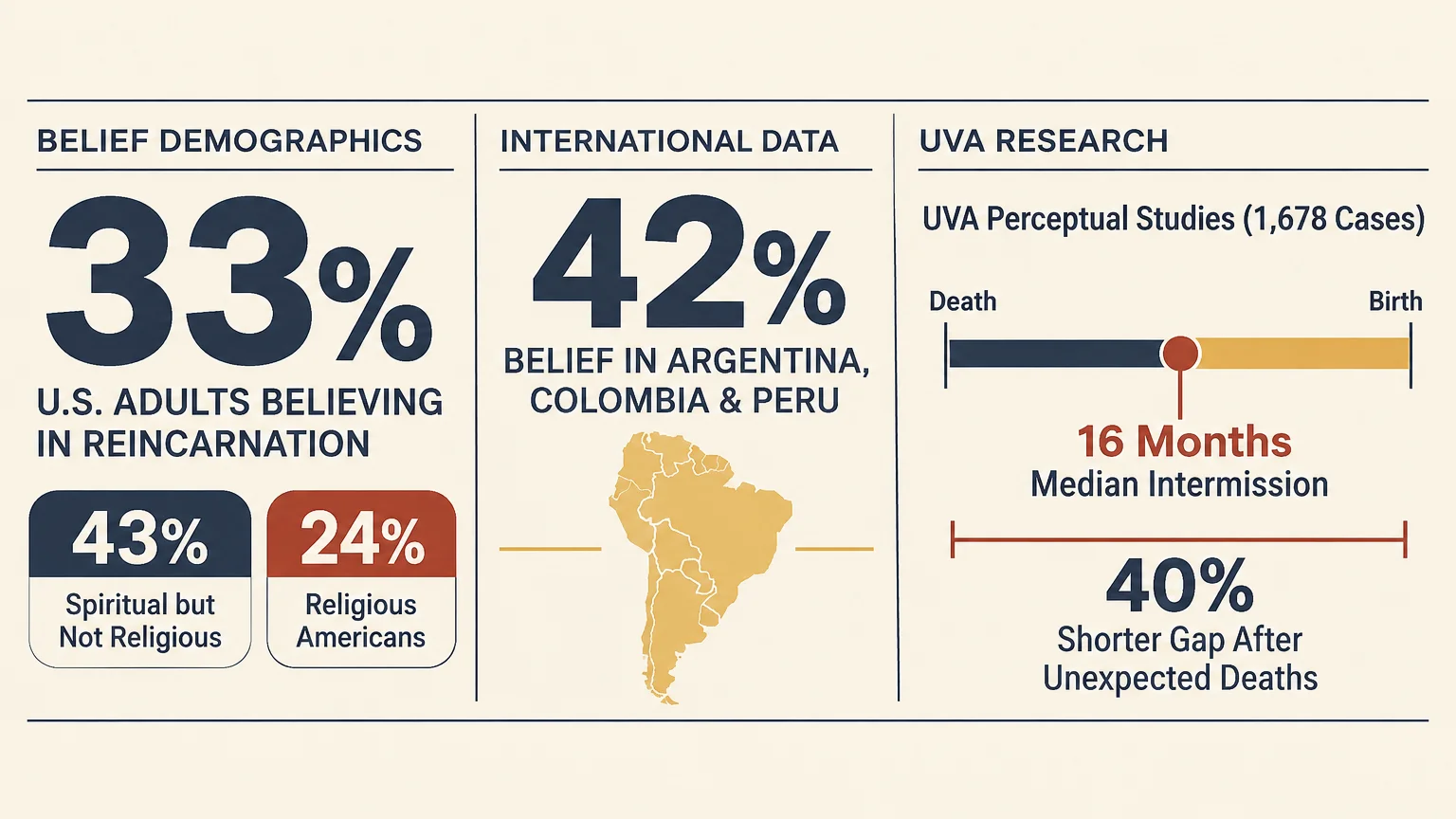
Belief in rebirth is surprisingly common in modern life. A November 2021 Pew Research Center survey found that 33% of U.S. adults believe in reincarnation.
That view is even higher among people who identify as spiritual but not religious. A December 2023 Pew Research Center report noted that 43% of that group accepts reincarnation, compared with 24% of religious Americans.
Global surveys also show wide cultural differences. Across 36 countries studied by Pew Research Center in May 2025, belief reached 42% in Argentina, Colombia, and Peru, while European rates remained much lower.
Researchers have also documented children who talk about previous lives. Since the 1960s, the Division of Perceptual Studies at the University of Virginia School of Medicine has investigated more than 2,500 cases worldwide.
Pioneered by psychiatrist Ian Stevenson and continued by Jim Tucker, this work focuses on children between ages two and five. Still, academic researchers stress that case reports do not prove survival after death.
An August 2026 study of 1,678 University of Virginia cases by Saeedeh Sadeghi, Marieta Pehlivanova, and Philip Cozzolino looked at the time between death and birth. Researchers found a median intermission of 16 months, with 40% shorter gaps after unexpected deaths.
Whether you take these findings literally or symbolically, your feelings deserve respectful attention. You do not have to choose between curiosity and common sense.
How Your Mind Shapes Familiar Feelings
Before exploring specific signs, it helps to understand how everyday memory works. Your brain constantly searches for patterns to help you feel safe in new situations.
One gentle factor is confirmation bias. Confirmation bias is the natural habit of noticing details that match what you already hope or expect to find.
If you start wondering about an earlier life, sudden coincidences may suddenly stand out. Meanwhile, you might overlook dozens of ordinary moments that do not fit the story.
Memory salience also plays a big role after age fifty. Memory salience describes how strongly an emotional event sticks in your mind compared with routine days.
When you grieve a spouse, parent, or close friend, your nervous system stays on high alert. Sadness or longing can make dreams, old songs, or passing faces feel deeply meaningful.
The placebo effect can appear during spiritual reflection, too. The placebo effect happens when a calming ritual makes you feel better simply because you expect it to help.
Noticing these mental patterns does not cheapen your experience. Instead, clear awareness helps you separate comforting meaning from literal claims.
10 Surprising Signs You’ve Lived a Past Life
Many people think past life signs only show up as dramatic flashbacks. In practice, subtle habits and quiet emotional reactions are far more common.
1. Unexplained Phobias Without a Childhood Cause
Some adults carry an intense fear of deep water, fire, heights, or closed spaces without ever having a bad experience. In a 2021 scoping review of 78 studies co-authored with Jim Tucker, unusual behaviors or phobias were investigated in 74% of the studies.
From a medical view, phobias can also grow from forgotten childhood scares or learned family caution. Stress later in life can wake up quiet nervous system alarms.
Try a simple grounding check-in the next time an old fear rises. Name three things you can see and two sounds you can hear to remind your body you are safe today.
2. Vivid Early Memories That Faded Around Age Seven
Think back to the earliest stories your parents told about you as a toddler. University of Virginia researchers report that children who describe previous lives usually begin speaking between ages two and five.
Those memories generally fade around age seven as school and daily routines take over. Still, early childhood imagination and overheard adult conversations also blend easily into preschool memories.
Ask an older sibling or cousin if you ever insisted you had another name or home as a child. Write down any fragments without forcing details to fit a story.
3. Recurring Déjà Vu During Ordinary Moments
The déjà vu meaning many people think of first is a glimpse of an earlier lifetime. Research by psychologist Alan Brown in May 2003 shows that 60% to 70% of people experience déjà vu.
Neuroscientists, including Akira O’Connor, explain déjà vu as a brief brain misfire. Your brain sends a false signal of familiarity while your rational awareness catches the mistake right away.
Déjà vu normally decreases with age and rises during stress or poor sleep. As a safety cue, tell your doctor if frequent déjà vu happens alongside confusion, staring spells, or strange smells, since Cleveland Clinic notes these can be seizure auras.
4. A Strong Pull Toward an Unfamiliar Language
Perhaps you feel moved to tears by a foreign song whose words you cannot translate. Or maybe certain grammar rules feel strangely natural when you travel abroad.
In rare cases, children studied by University of Virginia researchers spoke unlearned languages, a trait called xenoglossy found in 3% of their database. More often, adults simply share an ear for rhythm or heard a language in infancy.
Honor that curiosity by learning five polite phrases in the language that draws you. Notice whether practicing brings you joy or mental calm.
5. Distinct Birthmarks or Physical Sensations Without Clear Injury
Some traditions link unusual birthmarks or lifelong aches to wounds from an earlier life. In the 2021 academic scoping review of past life cases, birthmarks or birth defects were investigated in 37% of the studies.
Genetics, skin sun exposure, and normal aging explain nearly all marks on your skin. An unexplained ache can also signal muscle strain or nerve changes.
Make medical safety your first habit here. Ask a doctor to check any new, changing, or painful skin mark or physical symptom before giving it a spiritual meaning.
6. Instant Trust or Caution Around Strangers
Meeting someone new can sometimes feel like picking up a conversation after a long pause. Other times, a polite stranger triggers immediate unease without a clear reason.
While believers view this as a soul bond, psychology points to rapid pattern matching. Your brain reads posture, tone of voice, and facial cues in milliseconds based on people you knew before.
Use a steady safety rule whenever instant trust feels strong. Wait at least forty-eight hours before sharing private details or making financial decisions with someone new.
7. Longing for a Place or Era You Never Visited
Homesickness for a country you have never seen is one of the classic old soul signs. You might feel deeply at home looking at stone villages, desert skies, or Victorian kitchens.
This gentle ache often grows stronger after retirement or the loss of a loved one. When daily roles shift, your mind naturally looks for spaces that symbolize peace and belonging.
Journal for ten minutes about the values you associate with that era or place. Ask yourself how you can bring more of that slow pace or beauty into your home today.
8. Natural Skills That Appeared With Little Training
Some people pick up woodworking, bread baking, gardening, or musical timing with surprising ease. It can feel less like learning from scratch and more like remembering old habits.
Biology and early encouragement explain much of this comfort. Inherited traits and quiet childhood observation build strong foundations before you ever notice them.
Give yourself twenty minutes this week to practice that natural skill without judging the result. Treat it as a gift in the present rather than a puzzle from the past.
9. Sudden Grief Over Specific Historical Events
You might visit a museum or read a history book and feel sudden, heavy sorrow. That reaction can happen even when your own family had no link to that event.
Empathy and vivid storytelling strongly activate human emotion. Older adults often carry deeper compassion because they have lived through real loss and change themselves.
Try a short guided imagery exercise if historical grief feels heavy. Guided imagery means picturing a calm, safe scene in your mind to help your breathing slow down.
10. Calm Detachment During Personal Crises
Another hallmark of old soul signs is steady calm when people around you panic. Friends may say you seem wiser than your years or unusually patient with human flaws.
In a November 2024 follow-up study of 23 U.S. adults who reported childhood past life memories, 65% noted some lasting impact, with few negative effects, and participants led normal, productive lives. Still, calm perspective also grows naturally from surviving hard decades.
Check in kindly with yourself during quiet evenings. Make sure your calm reflects genuine peace rather than emotional numbness or unspoken exhaustion.
Safe, No-Cost Ways to Explore Your Curiosity
You do not need expensive sessions or complex rituals to explore these impressions. Simple, free habits offer far clearer insight and keep your feet on the ground.
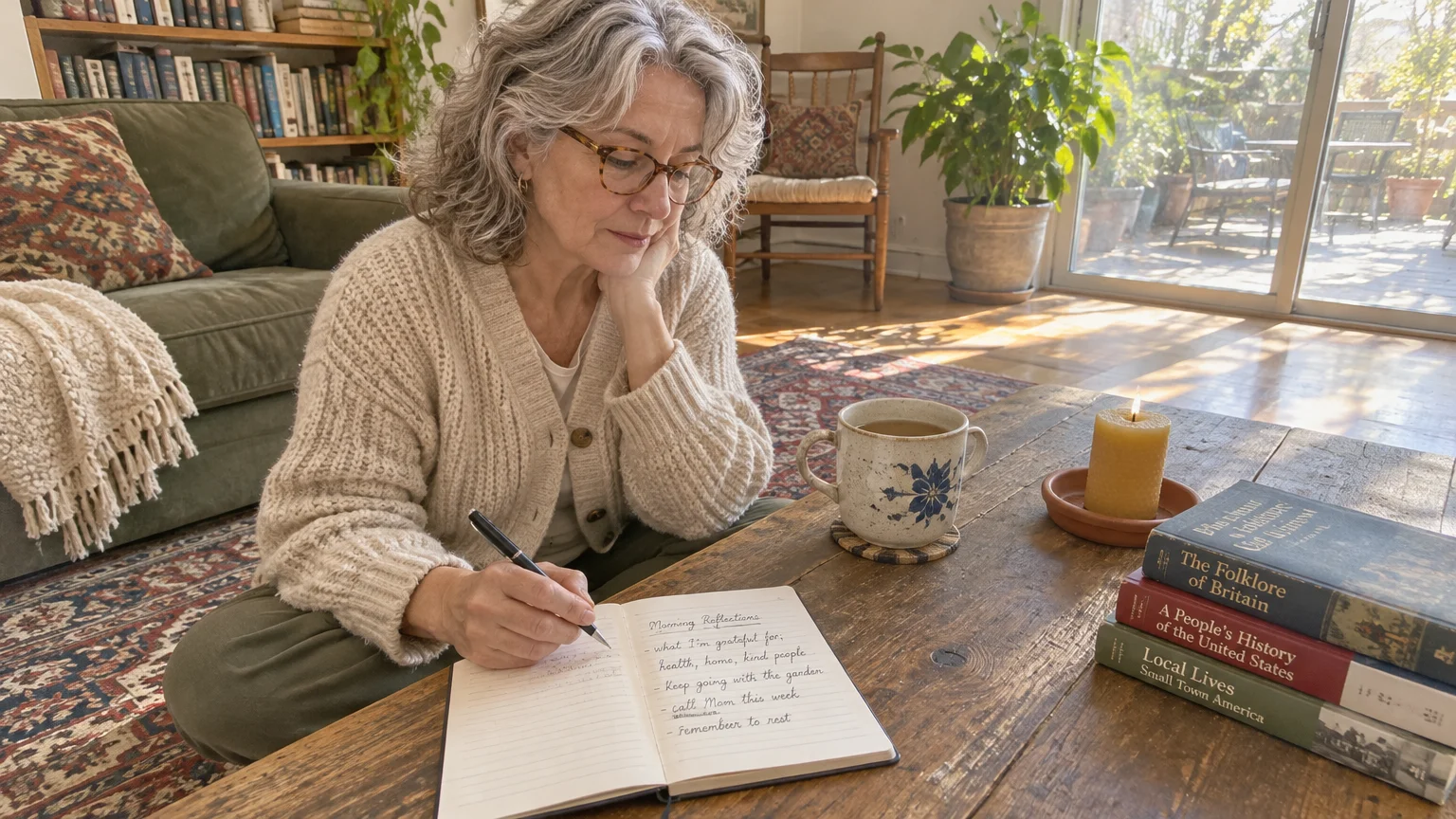
Start with a quiet notebook and ten minutes of morning coffee. Write down recurring dreams, unexplained fears, or places that tug at your heart without editing your thoughts.
Mindful walking also helps clear mental clutter. Leave your phone in your pocket, feel your shoes touch the pavement, and notice what memories surface naturally.
If an impression brings up regret or old hurt, gentle forgiveness practices can bring relief. Many people use the four traditional Ho’oponopono phrases silently: I am sorry, please forgive me, thank you, I love you.
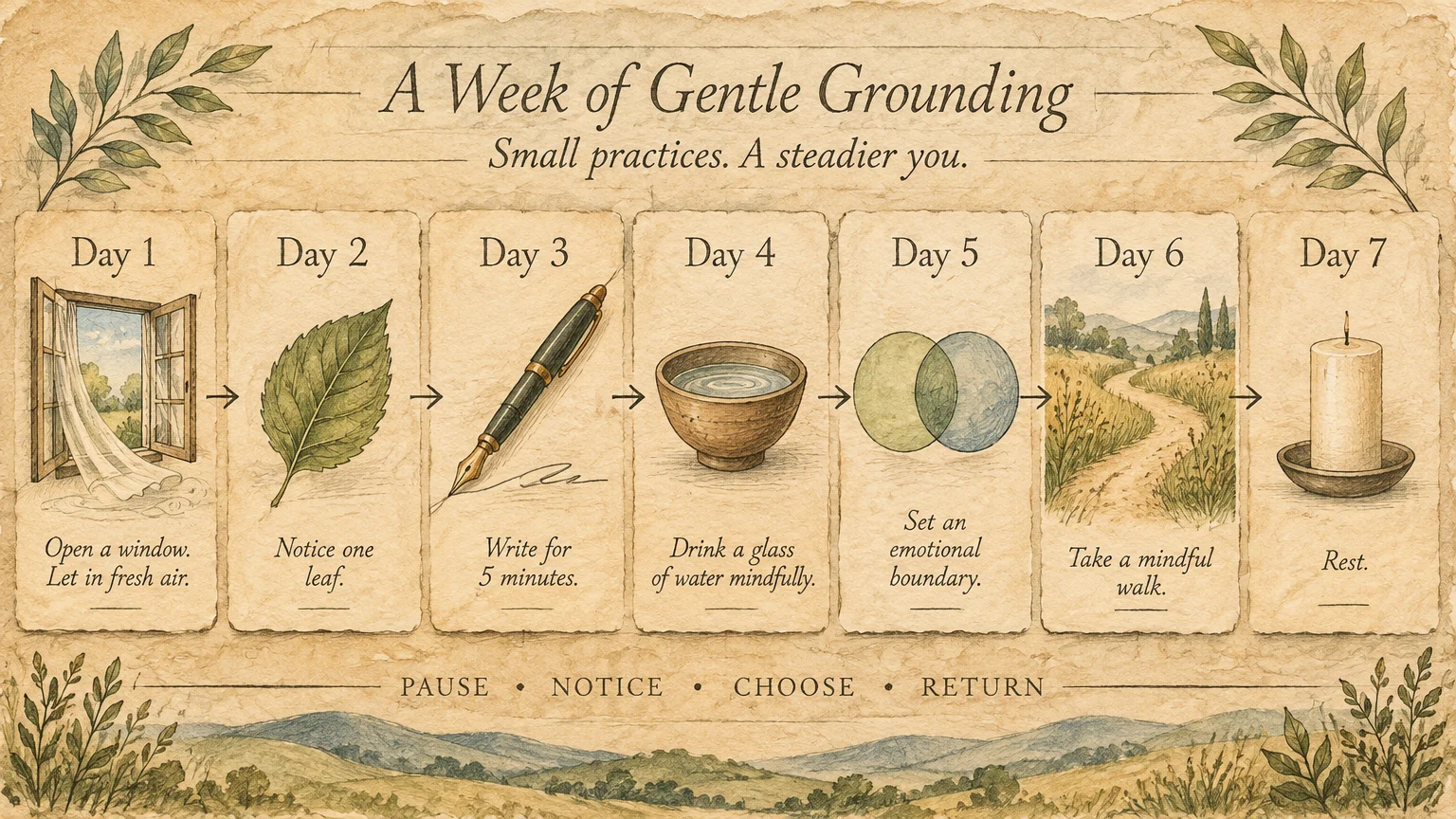
You can follow a simple seven-day reflection plan right at home. On days one and two, spend ten minutes listing early childhood impressions and favorite historical eras.
On days three and four, take a quiet twenty-minute walk and note any instant feelings of familiarity or stress. On day five, look back at your notes and highlight recurring emotional themes.
On day six, ask what those themes say about your current values, such as safety, creativity, or connection. On day seven, choose one small habit that honors those values in your life right now.
Notice how this practice shifts your focus from mystery to action. Whether past lives are literal or symbolic, your reflections become practical wisdom for today.
Boundaries, Regression Therapy, and Emotional Safety
As curiosity grows, some adults consider paid books, workshops, or past-life regression therapy. Knowing the costs, limits, and clinical cautions ahead of time protects your wellbeing.
Past-life regression uses hypnosis to walk you through imagined earlier lifetimes. Private sessions in the United States typically last ninety minutes to three hours and cost $100 to $450.
Longer sessions of three to five hours or visits with doctoral-level practitioners can reach $500 or more. Health insurance rarely covers past-life regression.
Major mental health groups urge strong caution around this practice. The American Psychological Association classifies past-life regression as a “highly controversial hypnotic regression technique” that most hypnotherapists do not recognize as a legitimate therapy.
The American Psychological Association also warns that hypnosis used to recover memories can create distorted beliefs or false memories called “pseudomemories.” People can easily mistake therapist suggestions or vivid daydreams for real history.
Holistic guides also warn against regression therapy if you live with dissociative disorders, schizophrenia, or severe depression. Always get clearance from a licensed clinician before trying deep hypnotic work.
Watch closely for red flags when looking at any spiritual service. Walk away if anyone guarantees cures, demands secrecy from your family, creates urgent fear, or pressures you for large upfront fees.
Never stop prescribed medications or therapy because a reader blames an illness on past-life karma. Grief and deep longing deserve compassionate, evidence-based care alongside personal faith.
If confusing memories or grief disturb your sleep, talk with a trusted doctor, counselor, or faith leader. You might open the conversation by saying, I have been having vivid memories and strong emotions lately, and I want a grounded space to talk them through.
Grief and coping resources at the American Psychological Association (APA) and NIH.
Sleep facts at the Sleep Foundation.
Complementary practices via NCCIH.
Mental health support and resources at SAMHSA.
Frequently Asked Questions
Can science prove you have lived a past life?
No scientific study proves reincarnation. Researchers at the University of Virginia have documented over 2,500 intriguing childhood cases, yet conventional explanations like coincidence or forgotten information remain possible.
Are recurring dreams signs of a past life?
Recurring dreams usually reflect current stress, unresolved grief, or active memory processing during sleep. Keeping a dream journal helps you spot emotional themes without needing to treat dreams as literal history.
How do I tell a spiritual sign from coincidence?
A helpful test is to notice how a moment affects your daily life. Grounded meaning brings steady calm and kindness, while anxious guesswork often leaves you tense or fearful.
Is past-life regression therapy safe for older adults?
Light relaxation is gentle for most healthy adults, yet hypnotic regression carries a documented risk of false memories. Avoid it if you have severe depression or trauma unless your licensed clinician approves.
Does believing in reincarnation conflict with Western religions?
Most mainstream Christian, Jewish, and Islamic traditions teach a single earthly life rather than rebirth. Still, some individuals hold private spiritual questions and find comfort speaking honestly with a trusted faith leader.
Practical Steps for Your Week Ahead
Wondering about the signs of a past life often points to something very human. You want to understand why certain places, people, and feelings touch your heart so deeply.
You can honor that wonder while staying rooted in clear thinking and emotional safety. Use your impressions as mirrors for what matters most to you in this season of life.
First, buy a plain notebook this week and jot down one vivid memory, dream, or place that moves you. Keep your notes factual and gentle.
Second, schedule a routine checkup if frequent déjà vu, poor sleep, or unexplained physical symptoms bother you. Ruling out medical causes always comes first.
Third, try one ten-minute mindful walk or forgiveness reflection to release lingering tension. Notice how your body responds to quiet simplicity.
Fourth, verify credentials and pricing before paying for any holistic workshop or counselor. Keep your hard-earned savings safe from high-pressure promises.
This article is for informational purposes only and does not offer medical, psychological, financial, or legal advice. If you struggle with grief, anxiety, or sleep, please speak with a licensed professional or trusted faith leader, and seek urgent help if you are in crisis.