
When someone causes you deep pain, waiting for fair accountability is a natural human reaction. Life often restores balance through the inevitable results of selfish actions.
You can recognize clear signs of karma at work without getting trapped in resentment. Observing these shifts brings emotional validation and helps you close painful chapters with dignity.
This guide reveals how life holds individuals accountable for their poor choices. You will learn to recognize these patterns while keeping your focus centered on personal peace and daily recovery.

Understanding Karma and the Principle of Cause and Effect
The word karma comes from an ancient Sanskrit root that translates simply as action. In ancient Eastern philosophy, it defines the timeless principle of cause and effect.
Western culture often captures this concept with the phrase what goes around comes around. Both viewpoints suggest that every choice produces an eventual harvest.
When someone deliberately harms you, they introduce discord into their personal environment. That negative energy does not simply vanish over time.
Instead, destructive actions shape a person’s character and influence their daily interactions. Inevitably, those poor choices generate ongoing conflict and regret.
Spiritual traditions describe this process as an impartial cosmic balance rather than petty revenge. The universe does not operate out of anger or malice.
Rather, choices carry natural momentum that shapes reality. A person who scatters thistle seeds in a field cannot expect to harvest sweet wheat.
Understanding this natural law helps you step back from feeling responsible for their punishment. Life will handle their education without your intervention.
Karma Psychology and Pattern Recognition
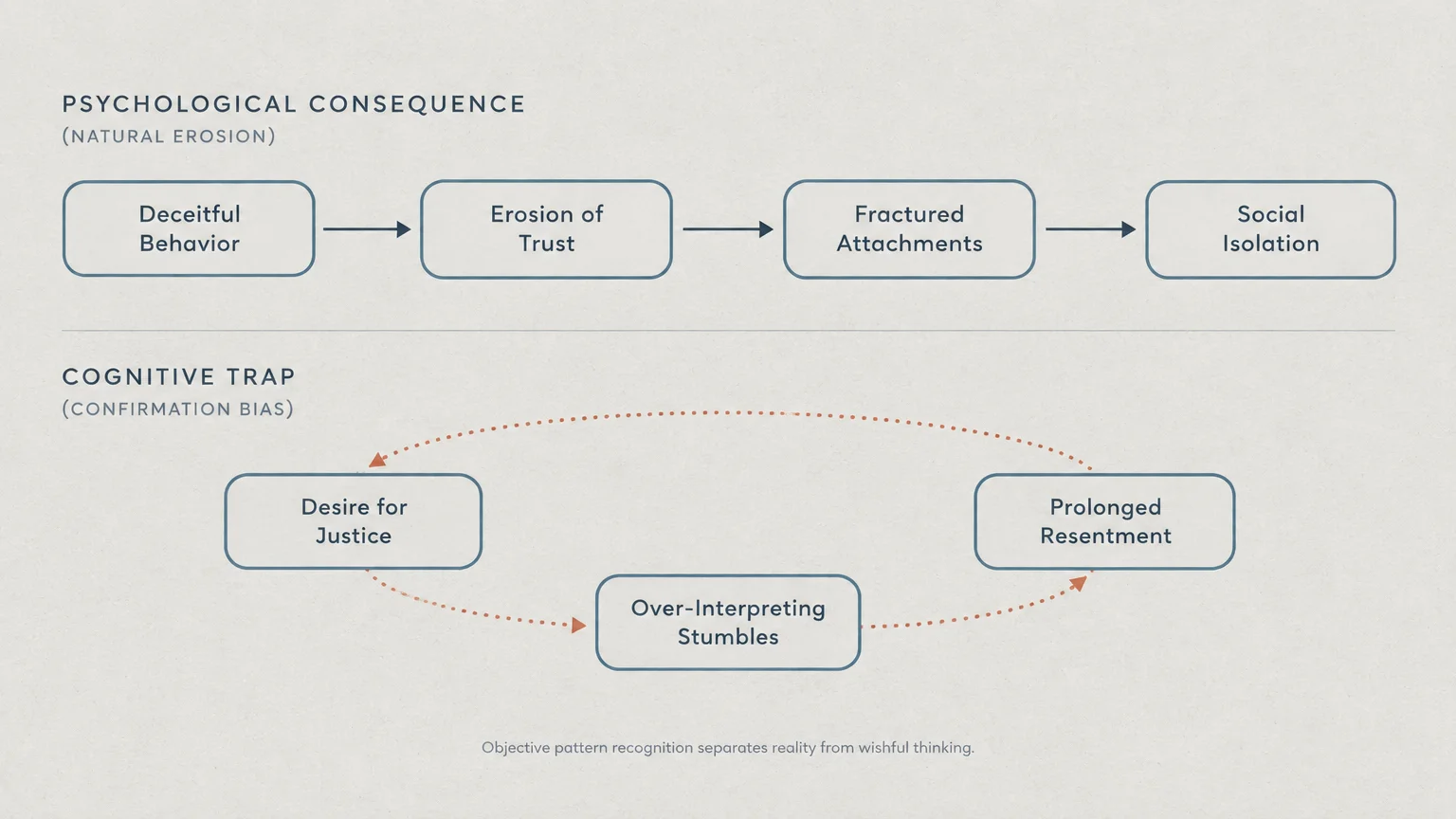
Modern psychology provides a grounded lens for understanding the signs of karma. When people act without empathy, they develop predictable blind spots.
Selfish individuals struggle to maintain secure emotional attachments over time. Their recurring deceit eventually undermines their own social safety nets.
Researchers study karma psychology to explore our innate human hunger for fairness. When someone hurts us deeply, our minds search for evidence of justice.
During this process, it is essential to understand confirmation bias. This psychological phenomenon occurs when someone notices only the facts that confirm their beliefs.
If you expect an ex-partner to fail, you may view every minor stumble as cosmic justice. Recognizing this cognitive habit protects your emotional clarity.
Psychological consequence rarely appears as dramatic lightning bolts. Instead, it unfolds as the slow erosion of a person’s peace, trust, and self-worth.
By observing these dynamics objectively, you can separate wishful thinking from genuine accountability. You gain perspective while honoring your lived experience.
6 Signs They Have Been Hit by Karma for Doing You Wrong
Witnessing accountability does not mean reveling in another person’s suffering. Rather, it offers quiet confirmation that toxic behavior has natural limits.
1. Repeated Breakdown of Close Relationships
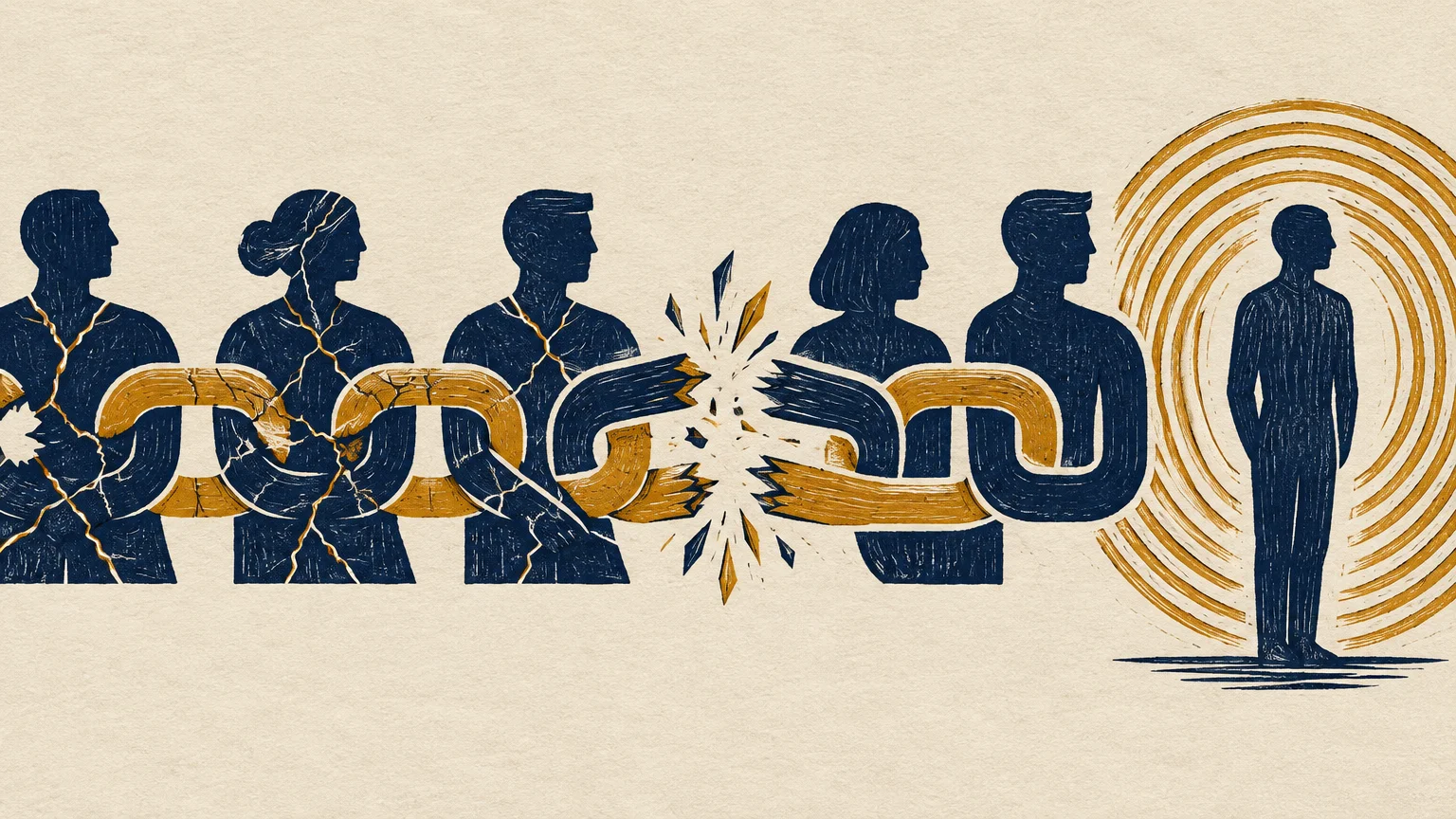
People who mistreat others carry their destructive habits wherever they go. Eventually, their new friendships and romances fracture under the weight of dishonesty.
When someone hurts you, they often attempt to paint a rosy picture with someone new. However, those new companions soon encounter the exact same selfish traits.
You may hear through mutual acquaintances that their latest partnership has dissolved. This pattern proves that unresolved character defects create continuous chaos.
Their inability to sustain intimacy is a primary sign of karma for hurting you. They cannot escape the consequences of who they choose to be.
Actionable Practice: Journal about your own supportive relationships today. Write down three qualities you appreciate in friendships that rest on mutual respect.
2. The Gradual Collapse of Public Reputation
Deceptive individuals work hard to maintain polished public personas. Yet, consistent dishonesty becomes impossible to conceal over long stretches of time.
Colleagues, neighbors, and community peers eventually observe inconsistencies between words and actions. As trust erodes, former allies quietly step away and maintain distance.
A damaged reputation represents one of the clearest karma signs in everyday life. Professional opportunities diminish, and social invitations steadily disappear.
This loss of social capital occurs without any interference on your part. Truth possesses a quiet resilience that outlasts even the most elaborate pretenses.
Safety Cue: Resist the temptation to join public gossip or smear campaigns online. Let their personal actions reveal their true character to the community.
3. Experiencing the Mirror of Their Own Actions
There is poetic symmetry when a wrongdoer experiences the exact injury they caused you. Spiritual practitioners often refer to this occurrence as mirrored karma.
Someone who betrayed your trust may suddenly face deceit from a trusted business associate. A partner who abandoned you might find themselves abruptly discarded.
This difficult circumstance forces the individual to taste the bitter medicine they once served. It strips away hollow rationalizations and exposes their past cruelty.
Experiencing that pain firsthand can sometimes awaken an overdue sense of empathy. Even if it does not, justice has completed a full circle.
Mindful Check-in: If you learn of their misfortune, place a hand over your heart. Breathe deeply for two minutes and consciously release lingering resentment.
4. Deep Paranoia and Chronic Inability to Trust
People who manipulate others operate under the assumption that everyone possesses identical motives. Because they lie, they constantly assume that others are deceiving them.
This cynical outlook produces profound internal paranoia and emotional fatigue. They can never fully relax or experience the comfort of genuine companionship.
Living in perpetual suspicion is a silent, agonizing consequence of unethical living. Their own cynical nature denies them the deep peace of mutual trust.
They construct emotional fortresses that keep everyone at arm’s length. In trying to protect themselves, they condemn their own hearts to solitary confinement.
Safety Cue: Maintain firm boundaries if they attempt to contact you with suspicious accusations. A paranoid mindset creates unnecessary drama to test your reactions.
5. Enduring Dissatisfaction and Internal Emptiness
Material prosperity or public accolades can easily mask a deeply troubled interior world. Individuals who harm others frequently chase superficial milestones to soothe internal guilt.
However, worldly accomplishments fail to deliver lasting satisfaction to a fragmented spirit. They jump from one purchase, job, or relationship to the next.
This chronic restlessness reflects the true toll of karma for hurting you. Without integrity, authentic joy and contentment remain entirely out of reach.
They may project outward confidence, but their quiet hours remain burdened by regret. Real fulfillment requires an honest heart that they simply do not possess.
Simple Habit: Write down three things you are grateful for each evening. Cultivating authentic gratitude builds the inner peace that selfish individuals constantly lack.
6. Sudden Loss of Loyal Support Networks
When inevitable life hardships occur, self-centered people often discover that their circle is empty. Fair-weather companions disperse quickly when genuine trouble arrives.
Because they never offered sincere loyalty to others, they have no goodwill to draw upon. They must weather storms without compassionate hands to support them.
Watching someone navigate difficulty alone can naturally touch your compassionate nature. Yet, remember that this isolation stems from their own neglected relationships.
They burned the bridges that could have carried them through difficult times. Now, they must face their obstacles without the warmth of a loving community.
Safety Cue: Do not rush to rescue an unrepentant person who injured you. Allowing people to experience life lessons is essential for their spiritual growth.

Healthy Ways to Release Bitterness and Reclaim Peace
Monitoring another person’s karma can inadvertently keep you tethered to their wrongdoing. Reclaiming your vitality requires gently redirecting your focus back toward yourself.
Gentle holistic practices calm your nervous system after experiencing profound betrayal. Dedicate fifteen minutes daily to quiet walking in a local park or garden.
You might also explore traditional Hawaiian Ho’oponopono reflections. Silently repeating phrases of forgiveness and peace helps clear emotional burdens from your spirit.
A structured weekly routine provides stability during times of emotional recovery. Consider following this simple seven-day practice plan in your daily routine.
On Day 1, spend ten minutes writing your unvarnished feelings in a private journal. On Day 2, take a silent, grounding walk outdoors without digital distractions.
On Day 3, draft an unsent letter expressing your hurt, and then safely discard it. On Day 4, practice five minutes of deep, rhythmic breathing before sleeping.
On Day 5, reconnect with a supportive friend who brings laughter and warmth. On Day 6, prepare a nourishing, mindful meal to celebrate your physical health.
On Day 7, speak a formal affirmation of release and dedicate your energy toward the future. This steady progression anchors your thoughts in constructive self-compassion.
Complementary practices via NCCIH offer research-backed ways to use mindfulness and relaxation for long-term health.

Boundaries, Safety, and Emotional Well-Being
Healing from relationship harm often triggers feelings of grief, betrayal, and disorientation. Protecting your physical and psychological safety must remain your primary objective.
Be wary of fraudulent services promising spiritual vengeance, curses, or paid karma rituals. Authentic spiritual guides never solicit large upfront sums or guarantee revenge.
Avoid any commercial reader who encourages secrecy or pressures you into costly energy cleanings. Legitimate healing centers on your personal empowerment, ethics, and resilience.
If obsessive thoughts about past injustices persist, consult a licensed mental health professional. Therapy provides an objective space to process trauma and rebuild confidence.
Starting this discussion with a professional or spiritual leader can feel intimidating. A simple conversation script can help you introduce your concerns clearly.
Try saying: I am carrying lingering hurt from someone who mistreated me. I want practical support to establish healthy boundaries and find genuine peace.
Grief and coping resources at the American Psychological Association (APA) and NIH.
Mental health support and resources at SAMHSA.
Sleep facts at the Sleep Foundation can guide you if emotional stress impairs your nightly rest.
Frequently Asked Questions About Karma and Accountability
Does karma always happen in this lifetime?
Spiritual traditions offer different answers regarding the exact timeline of karma. Eastern teachings indicate that some karmic debts resolve across future lifetimes.
From a psychological perspective, consequences unfold steadily throughout an individual’s lifetime. Harmful behaviors inevitably yield damaged relationships, stress, and isolation.
How can I tell a genuine sign of karma from random coincidence?
Coincidences occur randomly and lack connection to personal choices. In contrast, karma signs emerge as direct outgrowths of a person’s ingrained character patterns.
If someone loses employment because of habitual lying, that consequence reflects character. The misfortune links directly to their ongoing personal decisions.
Is it wrong to feel satisfied when a wrongdoer struggles?
Experiencing a momentary flicker of satisfaction is a very common human reaction. It validates your wounded sense of fairness and moral justice.
However, dwelling on their misfortune can poison your own mental well-being. Acknowledge the passing emotion without guilt, and then turn your attention inward.
Can a person erase bad karma by apologizing?
A genuine apology paired with restorative action alters a person’s karmic trajectory. When an individual adopts honest habits, they stop generating toxic consequences.
However, hollow apologies cannot undo accumulated damage. Genuine redemption demands sustained ethical behavior over months and years of disciplined effort.
What should I do if the person who hurt me appears successful?
Outward appearances can be misleading, particularly on modern social media platforms. Many individuals display glittering lifestyles while grappling with severe anxiety and self-loathing.
Moreover, life plays out over many decades. Trust that absence of integrity eventually undermines a person’s enduring peace and stability.
Moving Forward with Clarity and Grace
Waiting for universal retribution keeps you psychologically attached to those who wounded you. True freedom arrives when their destiny no longer impacts your joy.
Life balances accounts through natural consequence and human psychology. You do not need to monitor their progress or evaluate their penalties.
Commit this week to engaging in one meaningful hobby that brings you joy. Reconnect with positive friends who value and honor your presence.
Keep a brief journal to track moments when old resentments try to surface. Consciously pivot your attention toward gratitude and constructive personal goals.
Check your communication channels to ensure all digital boundaries remain secure. Protecting your sacred inner peace is the greatest victory you can achieve.
Disclaimer: This article is for informational purposes only and does not provide medical, psychological, or legal advice. If you struggle with grief, please consult a licensed professional or seek immediate help if in crisis.