5 Signs Your Brain is Processing Grief During Sleep
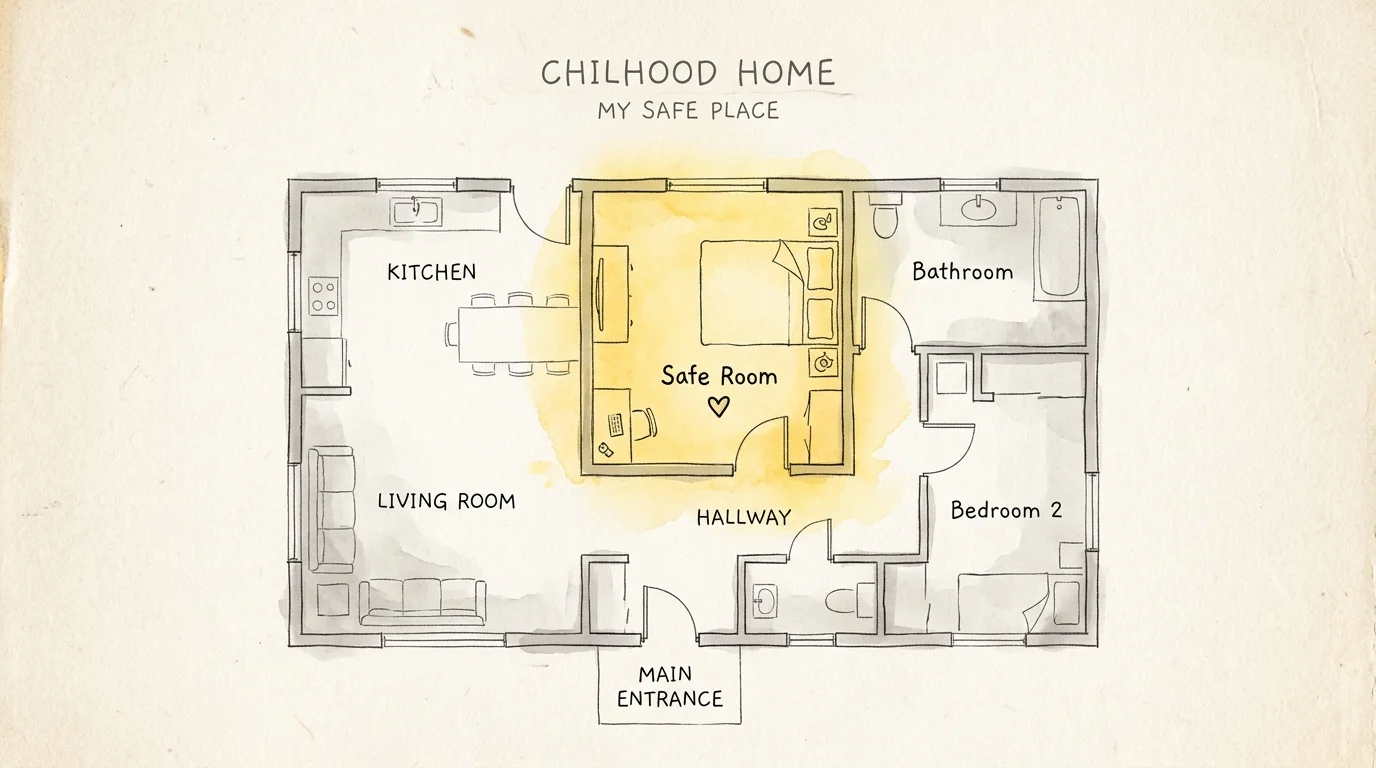
1. Dreaming of Childhood Homes
Your mind often retreats to familiar and secure spaces. A childhood home represents foundational safety. The brain seeks this comfort during highly stressful times.
Grief destabilizes your current sense of daily normalcy. Returning to old settings offers gentle emotional grounding. It is a biological coping strategy for loss.
Take a quiet moment to reflect on this vision. Draw a simple floor plan of that childhood house. Identify one specific room that made you feel safe.
2. Experiencing Muted Colors or Shadows
Sometimes nighttime visions lack their usual bright hues. Grief can temporarily dull your normal sensory processing. This gray tone reflects daytime emotional numbness accurately.
Your cognitive load feels very heavy right now. The mind conserves energy by simplifying visual dream details. This reduction is a normal protective measure during mourning.
Try a simple color grounding exercise when you wake. Notice three bright objects in your bedroom. This practice reconnects you to the present moment quickly.
3. Hearing a Familiar Voice Clearly
Auditory memories remain remarkably strong in your brain. Hearing a lost loved one speak is very common. The mind replays these stored audio files perfectly.
This recall brings both gentle comfort and fresh sorrow. It shows your memory centers are working well. The vividness proves the enduring depth of your bond.
Safety cue: Do not chase the voice with desperation. Accept it as a gentle nocturnal gift. Let the sound fade naturally as you wake up.
4. Encountering Blocked Paths or Locked Doors
Frustrating obstacles often appear in early grief dreams. You might search for someone without any success. A locked door symbolizes physical finality and permanent separation.
Your logical brain understands the reality of the loss. Your emotional brain still searches for connection constantly. This internal conflict creates the blocked pathways in dreams.
Use a simple visualization practice to ease frustration. Imagine finding a glowing key in your pocket. Visualize opening the door to an empty garden.
5. Waking with Unexplained Tears
You might wake up crying without remembering any narrative. Emotion often outlasts the visual dream components. Your body releases built-up tension while you rest.
This physical release is healthy and highly necessary. Sleep science confirms that tears reduce active stress hormones. Your body knows how to heal its emotional wounds.
Keep soft facial tissues near your bed tonight. Drink a small glass of cool water upon waking. Gently wash your face to soothe your skin.