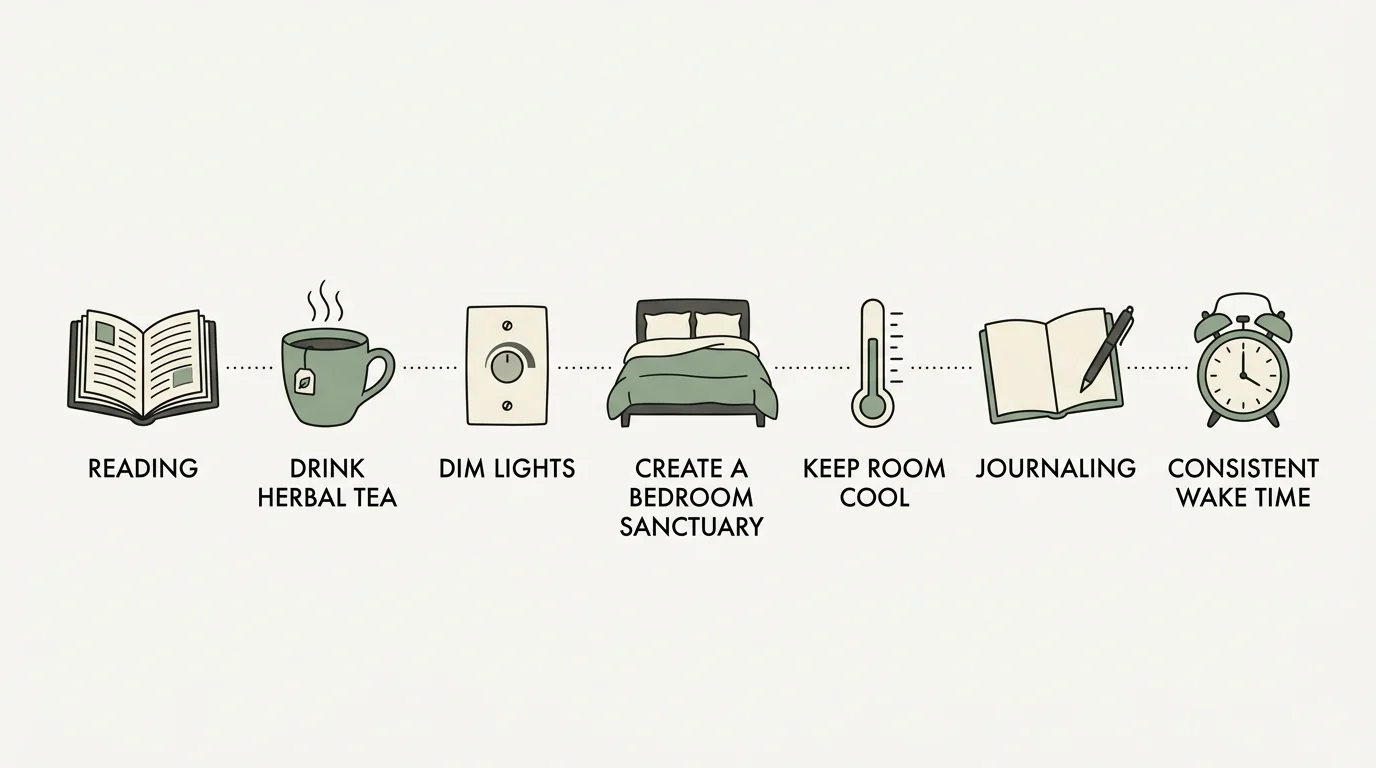
7 Ways to Support Brain Health for Better REM Sleep
1. Establish a Consistent Rest Schedule
Your biological clock thrives on strict daily routine. Going to bed at the exact same time is crucial. It regulates your internal circadian rhythm perfectly.
A steady schedule maximizes your time in REM sleep. Irregular hours disrupt these delicate biological cycles. Consistency protects your overall brain health as you age.
Set a gentle alarm for your intended bedtime. Begin winding down thirty minutes earlier. Dim the household lights to signal your brain.
2. Limit Evening Screen Exposure
Blue light from electronic devices confuses your brain. It halts the production of natural sleep melatonin. Melatonin is essential for initiating deep rest.
Watching intense news programs increases your nighttime anxiety. Your mind will process these stressful images later. This habit directly causes unsettling dreams and frequent waking.
Swap your digital tablet for a physical printed book. Read something uplifting or naturally calming. Give your eyes a break from harsh screen glare.
3. Monitor Your Late Caffeine Intake
Caffeine stays active in your system for several hours. It blocks the sleep-inducing chemicals in your brain. This chemical interference keeps your sleep shallow.
Shallow sleep reduces your time in REM stages. You miss out on vital nighttime emotional processing. Your waking mood suffers as a direct result.
Switch to warm herbal tea after eating lunch. Chamomile or peppermint are excellent caffeine-free choices. Enjoy the comforting warmth without the chemical stimulation.
4. Create a Cool Sleeping Environment
Your core body temperature must drop for good rest. A warm room prevents this necessary physical cooling. It often leads to restless tossing and turning.
Sleep science suggests cooler temperatures improve your dream quality. You are less likely to wake up mid-cycle. This sleep continuity protects your long-term cognitive health.
Lower your home thermostat a few degrees tonight. Use breathable cotton sheets on your mattress. Wear light clothing to stay comfortable in bed.
5. Practice Guided Imagery
Guided imagery is a gentle mental relaxation technique. You imagine a peaceful scene in vivid detail. It acts as a bridge to natural deep sleep.
This practice calms your nervous system highly effectively. It provides positive source material for your mind. You steer your subconscious toward pleasant nightly themes.
Visualize walking barefoot on a quiet sandy beach. Focus on the rhythmic sound of gentle waves. Imagine the warm sun gently touching your skin.
6. Embrace the Placebo Effect of Rituals
The psychological placebo effect is incredibly powerful. Believing a bedtime ritual works helps it succeed. Your brain responds well to positive internal expectations.
Spraying lavender water on your pillow is one example. The floral scent becomes associated with nightly safety. Your mind relaxes on cue when you smell it.
Choose one simple nightly habit for your routine. It could be applying scented hand cream slowly. Do it mindfully every single night before resting.
7. Avoid Heavy Meals Before Bed
Digesting large meals requires significant internal physical energy. Your body prioritizes active digestion over deep rest. This biological conflict disrupts your normal sleep cycles.
Late meals often cause uncomfortable nighttime acid reflux. Physical discomfort triggers fragmented and poor sleep patterns. Fragmented sleep leads to confusing or stressful nighttime narratives.
Finish eating dinner three hours before going to sleep. Choose a light snack if you feel genuinely hungry. A crisp apple or small yogurt works very well.