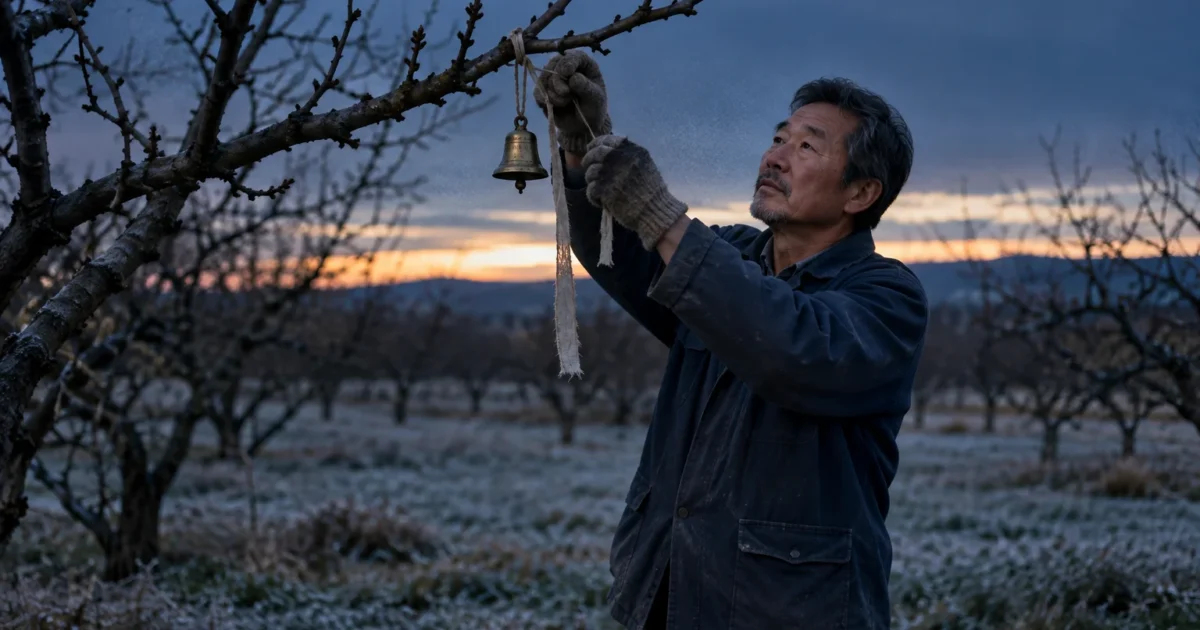
You can find deep peace by pausing to celebrate small wins before this calendar year closes. Meaningful progress rarely looks like massive milestones; it lives in the quiet, faithful choices you made every week.
An intentional end of year reflection allows you to honor your inner resilience and spiritual growth. You will recognize your real strength when you stop measuring life only by traditional year end goals.
Taking stock of everyday courage restores your sense of wonder. You can enter the coming season with gratitude, emotional clarity, and a grounded heart.

What It Means to Celebrate Small Wins
A small win is any intentional choice that aligns with your core values. It can be a moment of patience, an act of self-care, or a quiet boundary.
Society often celebrates only loud milestones and material wealth. In contrast, contemplative traditions have always cherished micro-actions of daily faithfulness.
Ancient Stoic teachers urged students to review their moral choices each night. Christian desert monastics practiced the daily examen to notice quiet blessings.
Celtic spirituality honored the sacredness of routine chores like tending fires and baking bread. Indigenous traditions teach that honoring small elements maintains harmony with the larger world.
Buddhist mindfulness reminds us that our entire life occurs only in the present moment. When you celebrate ordinary victories, you participate in this timeless wisdom.
Modern psychology supports these ancient practices. Tracking small accomplishments reinforces your agency and builds steady emotional well-being.
How Your Brain Processes Everyday Progress
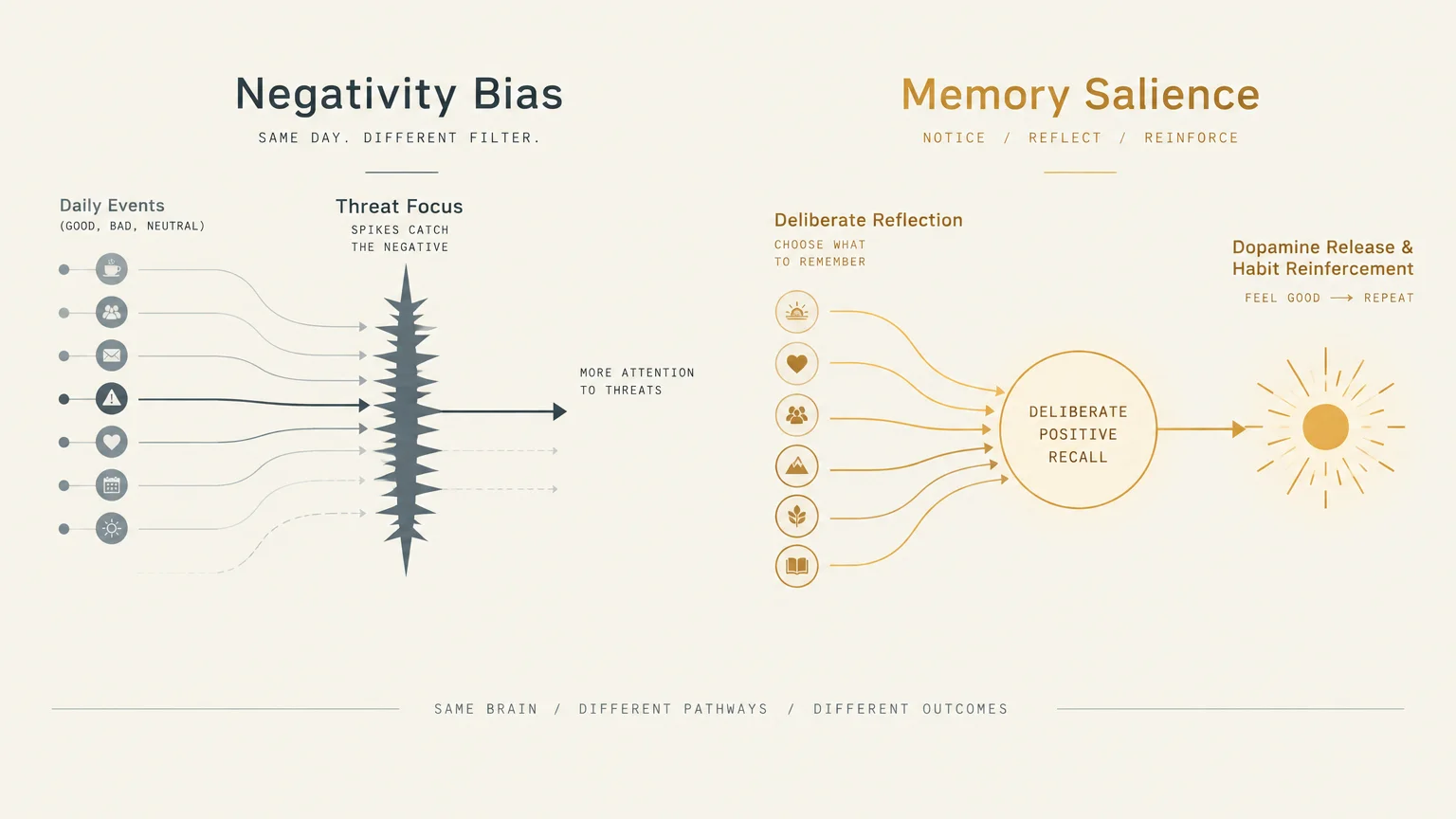
Human biology makes it difficult to remember our daily victories. Our brains carry a built-in negativity bias, which is the mental habit of magnifying threats while ignoring safety.
This instinct protected our ancestors from predators. In modern life, it causes you to obsess over unfinished chores while forgetting your genuine growth.
You may also encounter confirmation bias during your review. Confirmation bias is the mental habit of noticing only facts that fit your existing doubts.
If you believe this year was unproductive, your memory will selectively recall delays. You must consciously guide your attention toward positive memories.
Neuroscientists describe this focus as memory salience. You give emotional weight to your resilience whenever you deliberately bring positive moments to mind.
Each time you celebrate progress, your brain releases small amounts of dopamine. This chemical signal reinforces healthy habits and softens chronic stress.

12 Small Wins to Celebrate Before the Year Ends
Here are twelve quiet achievements from your past year that deserve recognition. Each one demonstrates spiritual maturity, emotional courage, and personal growth.
1. Saying No to Protect Your Personal Energy
Declining an exhausting invitation is a true victory for your well-being. It proves that you respect your physical energy and emotional boundaries.
Many people over fifty spent decades putting everyone else first. Choosing your own peace over social expectations is a sign of healthy maturity.
Consider an evening when you stayed home to rest instead of attending an obligation. That simple choice protected your health and gave you quiet renewal.
Actionable practice: Write down one commitment you declined this year. Thank yourself for choosing rest over unnecessary guilt.
2. Showing Up on Difficult Mornings
Some days begin with joint stiffness, deep fatigue, or emotional grief. Rising from bed anyway is an act of quiet bravery.
The world rarely applauds the discipline of brushing your teeth and making tea. Yet your persistent routine kept your life grounded and steady.
You did not need to run a marathon to demonstrate strength. Simply facing another morning with patience was more than enough.
Mindful check-in: Place one hand over your heart right now. Silently thank your body for carrying you through those heavy days.
3. Choosing Rest Over Constant Hustle
Resting without guilt requires genuine courage in our busy culture. You scored an important win whenever you sat down to read or nap.
Your personal worth does not depend on your physical output. Rest allows your immune system to repair and preserves your emotional balance.
Explore healthy sleep facts at the Sleep Foundation. Quality rest sustains your vitality through every season of aging.
Actionable practice: Schedule an intentional thirty-minute quiet window this afternoon. Use this time for rest without checking off any chores.
4. Reaching Out to Connect with Others
Maintaining friendships in our mature years takes deliberate effort. Sending a short text or making a phone call requires vulnerability.
When you reached out to check on a friend, you pushed back against isolation. You brought unexpected warmth into someone else’s quiet routine.
Social connection protects cognitive vitality as we grow older. These small conversations strengthen the invisible safety net of your community.
Journal prompt: Write the names of two people who lifted your spirits this year. Send one of them a brief thank-you note.
5. Softening an Old Resentment
Clinging to bitterness drains your emotional energy and harms your health. Allowing an old grievance to soften gave your soul room to breathe.
Forgiveness does not mean tolerating poor behavior or resuming contact. It simply means you refuse to let past hurts dictate your current peace.
Perhaps you stopped replaying an old argument in your head. That quiet mental pause was a major step toward personal liberation.
Quiet reflection: Breathe out slowly and imagine releasing a heavy stone from your chest. Notice the physical relief in your shoulders.
6. Nourishing Your Body with Care
Cooking a simple soup or drinking fresh water is an act of self-respect. These practical routines show deep appreciation for the gift of life.
Your physical frame has carried you through decades of challenges. Nourishing it with wholesome food honors everything it has done for you.
Review complementary wellness practices via NCCIH. Gentle nutrition and mindful movement create reliable daily comfort.
Mindful habit: Enjoy your next meal without looking at a screen. Savor the warmth, texture, and aroma of each bite.
7. Protecting Daily Moments of Solitude
Carving out ten minutes of absolute silence is rare in modern life. You achieved a spiritual victory whenever you turned off the television.
Quiet reflection lets your inner wisdom emerge without interruption. It gives your nervous system a welcome rest from constant electronic noise.
You may have spent these moments watching morning birds or praying quietly. That intentional pause helped anchor your peace for the entire day.
Actionable practice: Sit quietly by an open window for five minutes today. Listen attentively to the natural sounds outside your home.
8. Adapting to an Unplanned Disruption
Life rarely matches our careful plans or expectations. You demonstrated inner flexibility whenever an appointment change or car repair disrupted your week.
Rigid expectations often lead to frustration and anger. By adjusting your schedule with grace, you chose emotional peace over futile resistance.
Flexibility is one of the greatest virtues of spiritual maturity. You proved that your composure does not depend on perfect external circumstances.
Journal prompt: Describe a sudden delay you handled calmly this year. What self-talk helped you stay steady during that moment?
9. Honoring Your Grief Without Rushing
Grief demands patience, time, and gentle compassion. Allowing yourself to weep for a departed loved one is a sacred victory.
Many people try to rush past sorrow out of discomfort. Giving yourself permission to feel your loss honors the deep love you shared.
Find grief and coping resources at the American Psychological Association (APA) and NIH.
Safety cue: Never judge the pace of your own healing. Reach out to a support group if your grief feels overwhelming.
10. Maintaining Prudent Financial Boundaries
Saying no to an impulse purchase or an unrealistic loan request takes courage. You protected your financial stability and peace of mind.
Financial boundaries protect your independence as you grow older. Managing your resources with discretion is an essential part of practical wisdom.
You did not need to amass great riches to succeed financially. Living within your means is an admirable achievement worth celebrating every single year.
Quiet check-in: Acknowledge one wise financial decision you made this past season. Celebrate your foresight and steady discipline.
11. Choosing Patience in Moments of Friction
Waiting calmly in a crowded grocery line or customer service queue is a triumph. You chose patience over reactive frustration.
Small irritations happen every day across our lives. Your ability to take a slow breath and smile diffuses tension for everyone around you.
This composure is a gift to your physical cardiovascular system. It lowers your blood pressure and preserves your mental energy.
Mindful practice: When you face a line today, inhale for four counts and exhale for six counts. Use the delay as a mini-retreat.
12. Welcoming Moments of Everyday Wonder
Stopping to watch golden sunlight filter through autumn trees is a spiritual victory. You resisted cynical exhaustion and stayed receptive to joy.
A sense of wonder does not require international travel or luxury. It requires only an attentive mind and an open heart.
Every time you smiled at a child or admired a blooming flower, you embraced life. That openness keeps your spirit young and alive.
Actionable practice: Step outside right now and find one natural object that sparks wonder. Let yourself appreciate its quiet beauty for a moment.
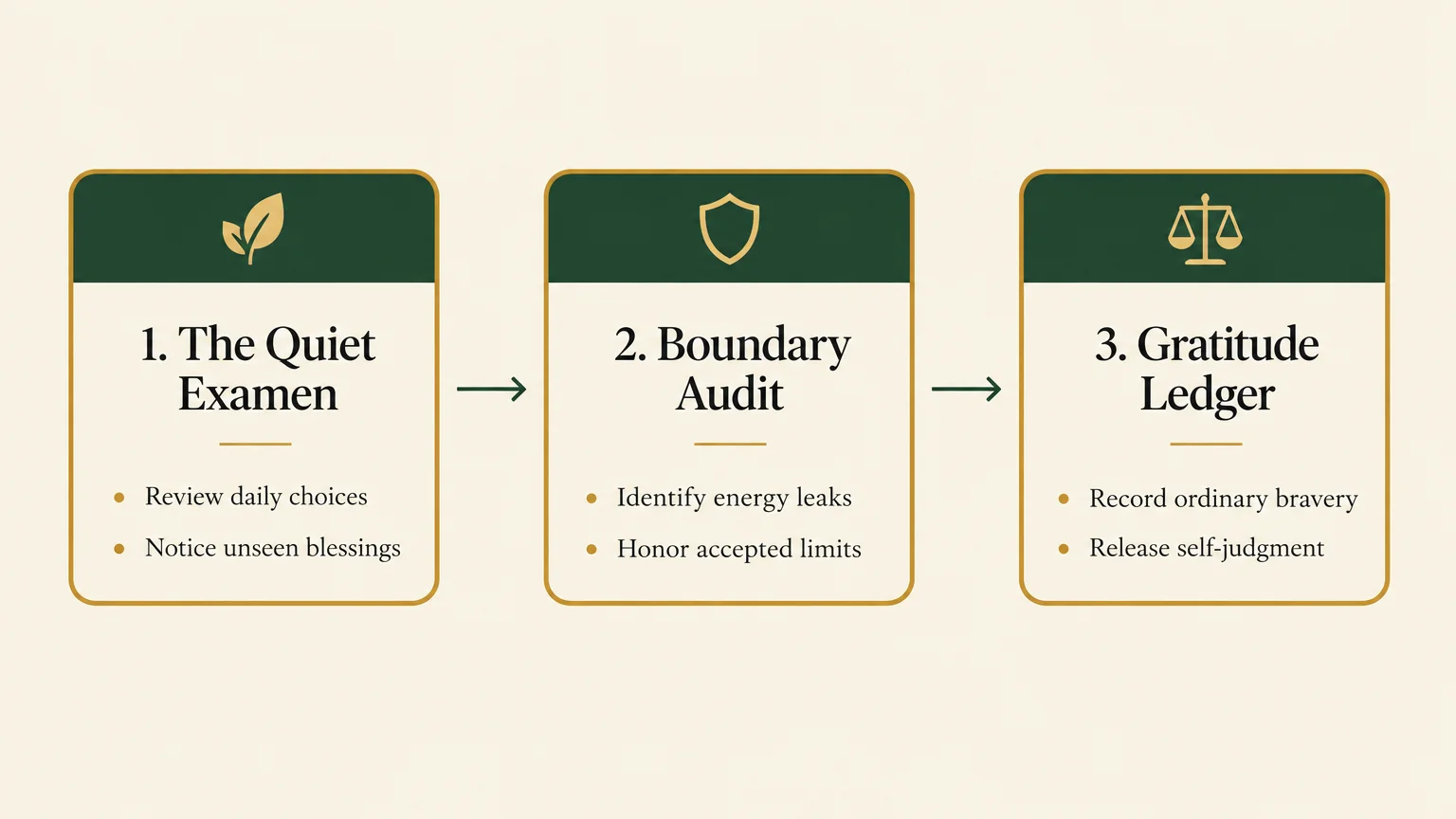
Practical Ways to Conduct an End of Year Reflection
You do not need fancy planners or expensive workshops to review your year. A simple notebook and a quiet room provide everything you need.
Commercial culture often pushes rigid year end goals that cause unnecessary anxiety. A reflective gratitude practice offers a much gentler path toward self-understanding.
Try guided imagery as you begin your reflection session. Guided imagery is a gentle technique where you visualize tranquil scenes to calm your nervous system.
Picture your past year as a winding garden path. Notice the sturdy trees of your resilience standing tall beside the smaller blossoms of daily joy.
You can also use creative year in review ideas that center on inner character. Focus on the wisdom you gained rather than tasks left unfinished.
Consider using four traditional Ho’oponopono phrases during your review: I am sorry, please forgive me, thank you, I love you. These words encourage deep self-reconciliation.
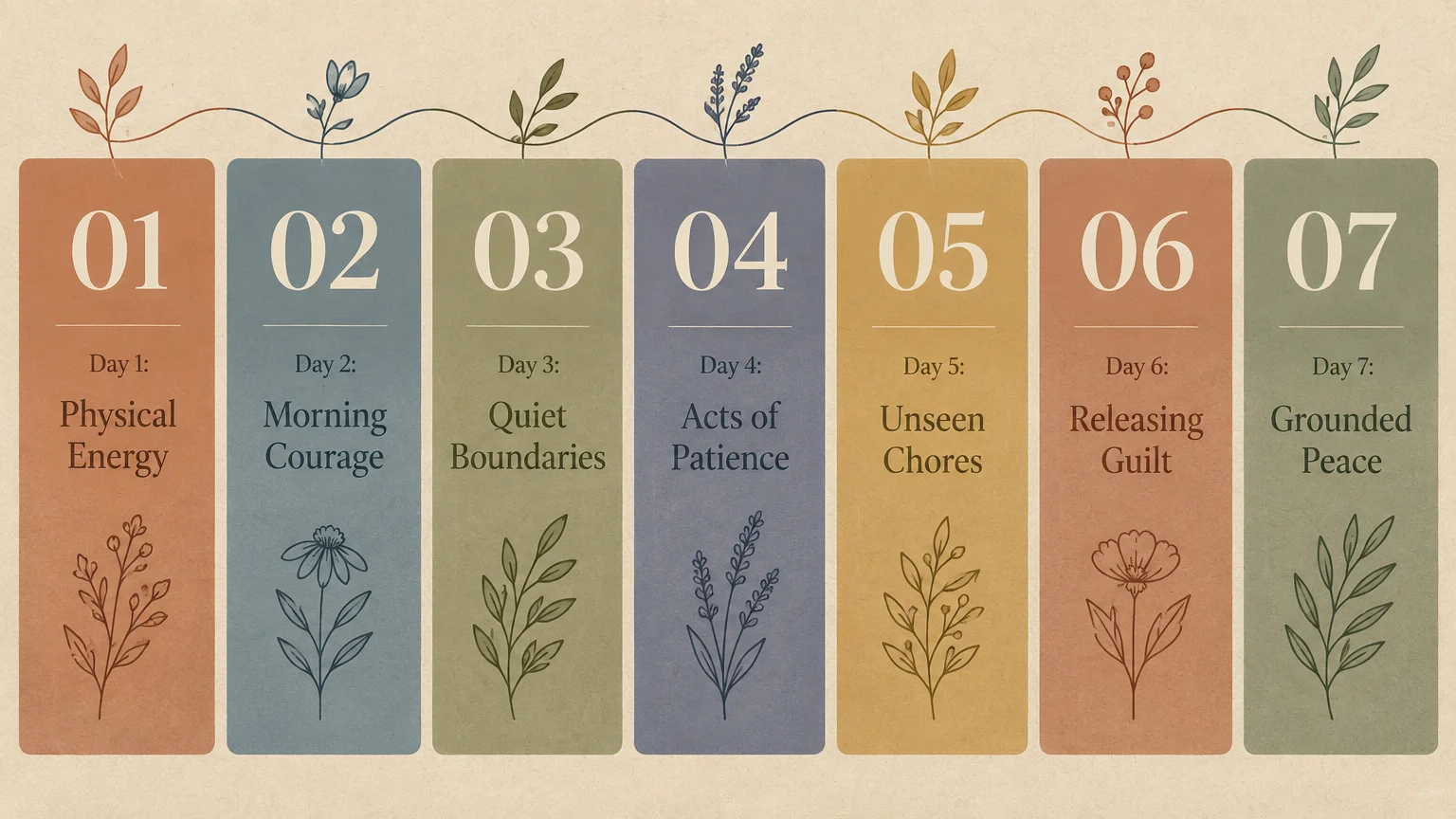
A Seven-Day Prose Plan to Celebrate Small Wins
You can use this simple seven-day framework to reflect without feeling rushed. Set aside ten quiet minutes each morning for one focused reflection.
On day one, celebrate physical self-care. Note every time you rested when tired, drank fresh water, or enjoyed a nourishing meal.
On day two, reflect on your emotional boundaries. Acknowledge the invitations you declined to preserve your energy and emotional balance.
On day three, honor your personal relationships. Recall three gentle interactions where you offered comfort or shared laughter with a friend.
On day four, practice release and forgiveness. Mentally let go of one grievance or misunderstanding that troubled you earlier this year.
On day five, celebrate your intellectual curiosity. Remember a book you read, a craft you practiced, or a new recipe you tried.
On day six, review your material prudence. Acknowledge your sensible budgeting, careful home maintenance, and conscious choices to avoid debt.
On day seven, express spiritual gratitude. Thank your higher power or the universe for carrying you safely through another year.

Emotional Boundaries, Consumer Safety, and Grief
The holiday season can intensify feelings of loneliness, loss, and nostalgia. Predatory wellness companies often target vulnerable adults during this emotional period.
Be wary of any coaching program promising overnight emotional transformations. True healing takes patience, self-compassion, and steady daily effort.
Watch for obvious red flags such as high-pressure sales calls, guarantees of wealth, or demands for large upfront payments. Ethical teachers never pressure clients.
If you invest in personal growth, set strict financial limits first. A local library book or a community center lecture provides wonderful guidance for free or minimal cost.
Keep in mind the placebo effect when trying new wellness practices. The placebo effect describes real physical relief triggered by your own positive belief.
While a positive outlook supports health, it cannot replace medical treatment. Always consult licensed doctors for chronic pain, illness, or sleep disorders.
Find reliable mental health support and resources at SAMHSA whenever emotional burdens feel too heavy.

How to Talk with a Counselor or Faith Leader
Year-end reviews can sometimes surface unresolved grief or chronic anxiety. Talking with a licensed therapist or trusted pastor offers tremendous emotional clarity.
You might feel hesitant about opening up to an unfamiliar professional. Having a clear script makes it much easier to schedule that initial conversation.
Use this sample conversation opener: I want to reflect on my year, but unresolved grief feels overwhelming. Could you help me process these memories in our sessions?
A competent counselor will listen without rushing or judging your emotions. They will provide a safe space where you can speak honestly and find lasting peace.

Grounding Spiritual Beliefs in Everyday Action
Many spiritual philosophies speak of universal energy, karma, or divine timing. These ideas suggest that our inner attitudes shape our life experience.
You do not need complicated rituals to live these spiritual truths. You embody them whenever you act with kindness, honesty, and humility.
When you offer an encouraging word, you release good energy into the world. When you listen to a lonely neighbor, you express divine love in action.
If you prefer a secular perspective, view these actions as values-based living. Treating people with respect boosts your self-esteem and strengthens community bonds.
Both worldviews arrive at the same destination. Your quiet, compassionate choices create a life of deep meaning and quiet dignity.
Frequently Asked Questions About Year-End Reflections
Why do I struggle to remember my achievements from earlier this year?
Your brain naturally focuses on unresolved problems rather than finished victories. Keep a small notebook in your kitchen to write down one daily win before bedtime.
Can celebrating small wins replace traditional year end goals?
Yes, focusing on daily habits is often healthier than setting rigid goals. Consistent micro-habits reduce performance anxiety and create sustainable personal growth.
How do I celebrate small wins if I am grieving a profound loss?
Redefine success as gentle daily survival. Simply getting out of bed, weeping without shame, and eating a warm meal are major triumphs during grief.
What should I do if I feel my year was completely wasted?
Recognize that this thought is an example of confirmation bias. Ask a close friend to name two ways you offered support or kindness this year.
How much time should I dedicate to an end of year reflection?
Ten to fifteen minutes per session is plenty. Brief, regular check-ins keep your reflection pleasant and prevent emotional exhaustion.
Do I need special tools or journals to celebrate small wins?
No special supplies are necessary. A simple sheet of paper or an honest conversation with a friend works just as well as an expensive journal.
Moving into the New Year with Grounded Hope
You do not need to overhaul your entire lifestyle when January arrives. You have already gathered decades of wisdom, strength, and inner resilience.
Take time this week to review your journal entries or walk peacefully outdoors. Notice the quiet inner strength that carried you through every season.
Track one tiny positive habit each day, such as drinking water or smiling at a neighbor. Small daily disciplines create lasting spiritual serenity.
Verify your personal boundaries whenever new obligations appear. Guard your schedule so that you retain ample space for rest, reflection, and quiet joy.
Let go of the pressure to achieve grand worldly victories. Your steady, kind presence is already a profound blessing to your family and community.
Informational Disclosure
This article is provided for educational and informational purposes only. It does not provide medical, psychological, financial, or legal advice.
If you are struggling with severe grief, anxiety, or depression, speak with a licensed professional or clergy member. Please seek immediate medical help if you are in crisis.