Ways to Explore Relationship Truths Safely
Navigating the turbulent waters of suspected dishonesty requires a deliberate, methodical approach. Reacting impulsively out of anger or fear rarely produces the clarity you seek. Instead, give yourself the gift of structured observation and quiet reflection. Creating a safe, internal space allows you to process your emotions without escalating the conflict prematurely.
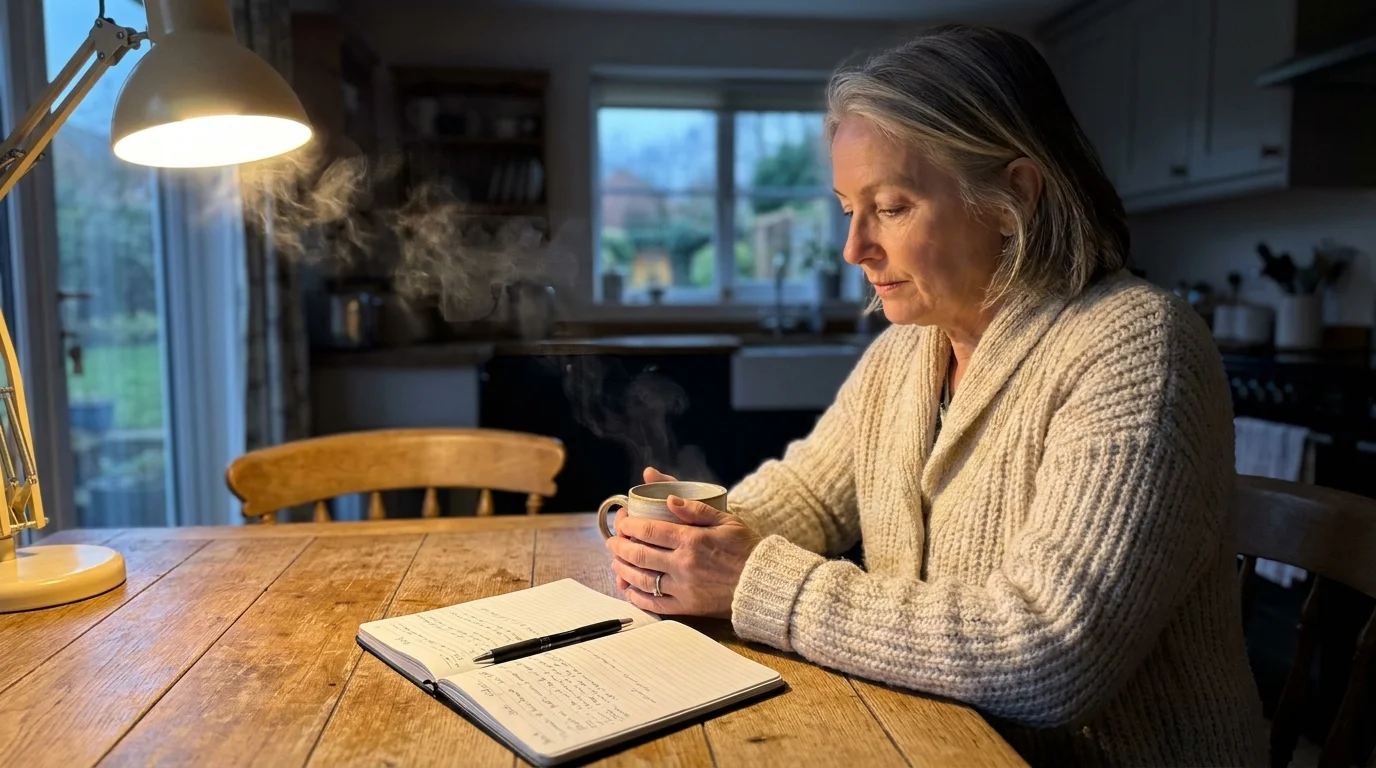
Consider trying a simple, seven-day practice plan to evaluate the situation calmly. On days one and two, focus entirely on silent observation. Notice your partner’s behaviors, communication styles, and your own physical reactions without making any comments or accusations. On days three and four, move to internal reflection through daily journaling. Write for fifteen minutes each morning, detailing exactly what you feel and what specific behaviors triggered those feelings. On days five and six, begin crafting a message. Draft a concise, non-blaming script to express your concerns, focusing purely on “I” statements rather than “you” accusations. Finally, dedicate day seven purely to self-care, engaging in a peaceful walk or reading a comforting book, preparing your spirit for the upcoming conversation.
When you feel ready to address the relationship honesty issues directly, utilizing a neutral conversation opener significantly reduces immediate defensiveness. You might approach your partner and say, “I value our history together, but lately I feel a growing distance between us regarding how we share information. I want us to communicate more openly. Can we talk about this?” By framing the issue as a shared challenge rather than an individual failing, you invite collaboration rather than combat.
If you find that personal efforts yield no progress, seeking external guidance often proves invaluable. Many older adults find comfort in speaking with licensed marriage and family therapists or certified relationship counselors. As a brief budget and time note, if you choose to hire a relationship counselor, expect to invest anywhere from $100 to $250 per session, requiring a commitment of at least three to six months for meaningful progress. Investing in professional support provides a structured, mediated environment where both partners can safely explore their underlying fears and hidden truths.