10 Signs Honesty May Be Missing in a Relationship
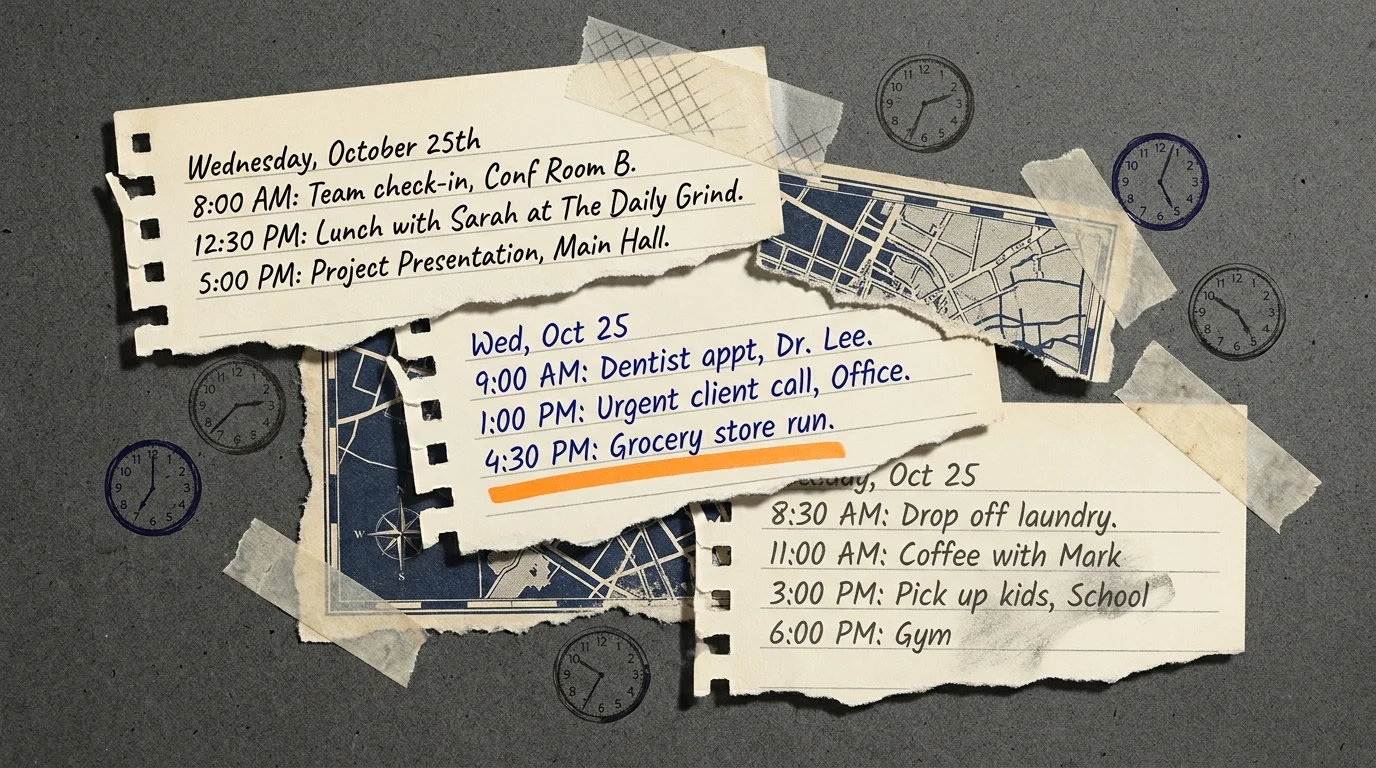
1. Frequent Inconsistencies in Daily Stories
Telling the truth requires very little mental effort because memories flow naturally. Deception, however, demands constant cognitive maintenance. When honesty fades, a partner will frequently struggle to keep their narratives straight. They might tell you one version of their afternoon schedule on Tuesday and a completely different version on Thursday. Over time, these minor inconsistencies compound, leaving you feeling disoriented and confused about basic facts.
Actionable Practice: When you notice discrepancies, gently track them in a private journal. Write down the facts of what was said without adding emotional commentary. This practice helps ground you in reality and provides a clear record, preventing you from second-guessing your own memory when confronting the inconsistencies later.

2. Defensive Reactions to Simple Questions
In a healthy dynamic, asking your partner a simple question—such as who they spoke with on the phone or why they arrived home late—prompts a casual, straightforward answer. When trust problems in relationships emerge, these innocent inquiries often trigger immediate hostility. A dishonest partner may deflect the question, accuse you of interrogating them, or artificially inflate their anger to shut down the conversation entirely.
Actionable Practice: Use a calm, disarming conversation opener to test the waters. You might say, “I noticed you seemed tense when I asked about your day; I just want to connect, not criticize.” If the defensiveness escalates despite your gentle approach, it serves as a strong indicator that deeper issues remain hidden.

3. Withholding Important Financial Information
Financial infidelity destroys trust just as thoroughly as romantic betrayal. As you approach or manage retirement, shared financial transparency becomes absolutely critical for your security. Signs of dishonesty include newly hidden bank statements, unexplained cash withdrawals, secretive investments, or a sudden refusal to discuss household budgets. Concealing money matters often indicates a desire to hide the behaviors that money funds.
Safety Cue: Never ignore financial red flags. Protect your future by independently verifying your own credit reports and ensuring you have secure access to all joint accounts. Financial transparency is a mandatory boundary, not an optional preference.

4. A Sudden Need for Extreme Digital Privacy
While everyone deserves a reasonable level of privacy, a sudden and drastic change in digital habits often signals hidden behavior. If your partner previously left their phone on the kitchen counter but now takes it into the bathroom, changes all their passwords, or consistently angles their screen away from you, pay attention. This hyper-vigilance around devices often points to communications they desperately want to keep concealed.
Actionable Practice: Engage in a mindful check-in with your own emotions when you witness this behavior. Acknowledge your anxiety without immediately acting on it. Breathe deeply, ground your feet on the floor, and remind yourself that their secrecy is a reflection of their choices, not your inadequacy.
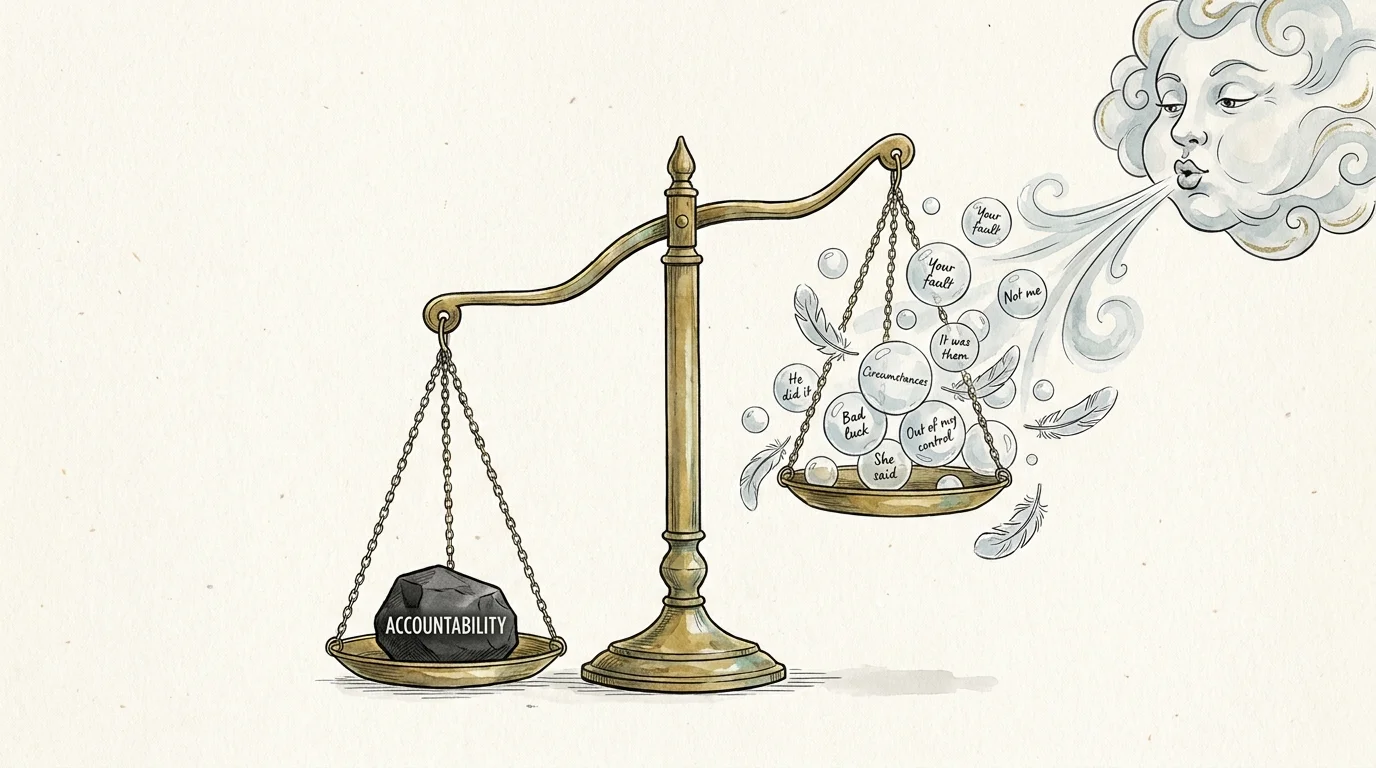
5. Shifting Blame and Avoiding Accountability
A relationship devoid of honesty usually features a severe lack of personal accountability. When you respectfully point out a mistake or a hurtful action, a deceptive partner will expertly flip the script. They will find a way to make their poor behavior your fault, claiming they lied because you are “too sensitive” or “too demanding.” This toxic maneuver shifts the focus away from their transgression and forces you to defend yourself.
Actionable Practice: Practice internal boundary-setting using a simple meditative phrase. You might silently repeat the traditional Ho’oponopono phrases—”I am sorry, please forgive me, thank you, I love you”—directing the energy toward healing yourself, not excusing their blame-shifting. This simple habit helps you release the false guilt they attempt to place on your shoulders.

6. Minimizing Your Intuition When Things Feel Off
Your body often recognizes deception long before your logical mind puts the pieces together. You might feel a persistent knot in your stomach or a vague sense of unease when your partner speaks. Instead of exploring these feelings with you, a dishonest partner will routinely dismiss your intuition as mere paranoia. They will tell you that you are imagining things or overreacting, actively trying to sever your connection to your own inner wisdom.
Actionable Practice: Reconnect with your physical senses through a daily grounding breath exercise. Inhale deeply for four seconds, hold for four seconds, and exhale slowly for six seconds. Strengthening your physical awareness helps validate your internal alarms, giving you the confidence to trust your gut feelings.

7. Omission of Meaningful Life Details
Lying does not always involve fabricating elaborate falsehoods; sometimes, it thrives in what remains unsaid. Deliberate omission acts as a powerful tool for deception. Your partner might describe their day but conveniently leave out a lunch meeting with an ex-partner or a significant reprimand at work. While technically not speaking a lie, withholding relevant information intentionally curates a false reality.
Actionable Practice: Encourage transparency by asking open-ended questions during a relaxed moment. Try asking, “What was the most surprising part of your week?” rather than specific yes-or-no questions. Their willingness to share unprompted details often reveals their comfort level with vulnerability and truth.
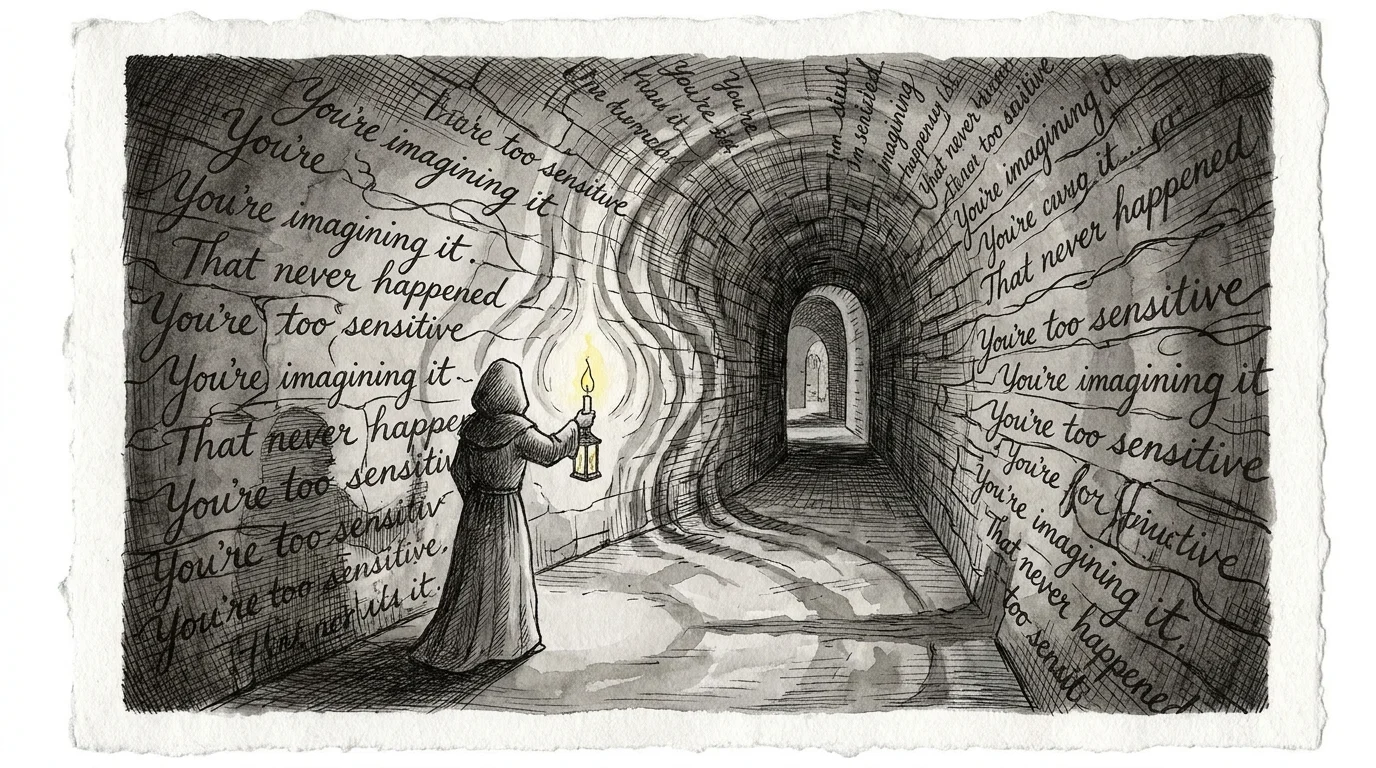
8. Gaslighting and Denying Your Reality
Gaslighting represents one of the most destructive relationship red flags. This manipulative tactic involves a partner denying events that actually happened, insisting you misunderstood clear conversations, or claiming you agreed to things you never discussed. The primary goal of gaslighting is to make you doubt your own sanity and memory, rendering you more dependent on their version of the truth.
Safety Cue: If you suspect you are experiencing gaslighting, seek outside perspective immediately. Share your experiences with a trusted friend, counselor, or faith leader who can provide objective feedback and help anchor you firmly in reality.

9. Body Language That Contradicts Their Words
Nonverbal communication often betrays hidden truths. While no single gesture proves deception, a cluster of mismatched signals warrants attention. Your partner might confidently declare their commitment while physically pulling away, crossing their arms, avoiding eye contact, or exhibiting nervous tics. When the words say “yes” but the body screams “no,” the body language usually provides the more accurate narrative.
Actionable Practice: Practice the art of observation without accusation. Spend a few days simply noticing their physical cues during different types of conversations. Watching their baseline behavior during stress-free chats helps you spot the stark physical changes that occur when honesty wavers.

10. Breaking Small Promises Consistently
Trust is built in drops and lost in buckets. A partner who consistently breaks minor commitments—forgetting to run an agreed-upon errand, failing to call when promised, or casually ignoring household agreements—demonstrates a fundamental lack of integrity. While a single broken promise indicates forgetfulness, a chronic pattern reveals that their words carry no actual weight or intention.
Actionable Practice: Track the follow-through on small commitments over the course of a single week. Do not nag or remind them; simply observe. This quiet tracking exercise provides you with concrete data about their reliability, moving you away from emotional frustration and toward objective assessment.