How We Perceive Honesty and Deception
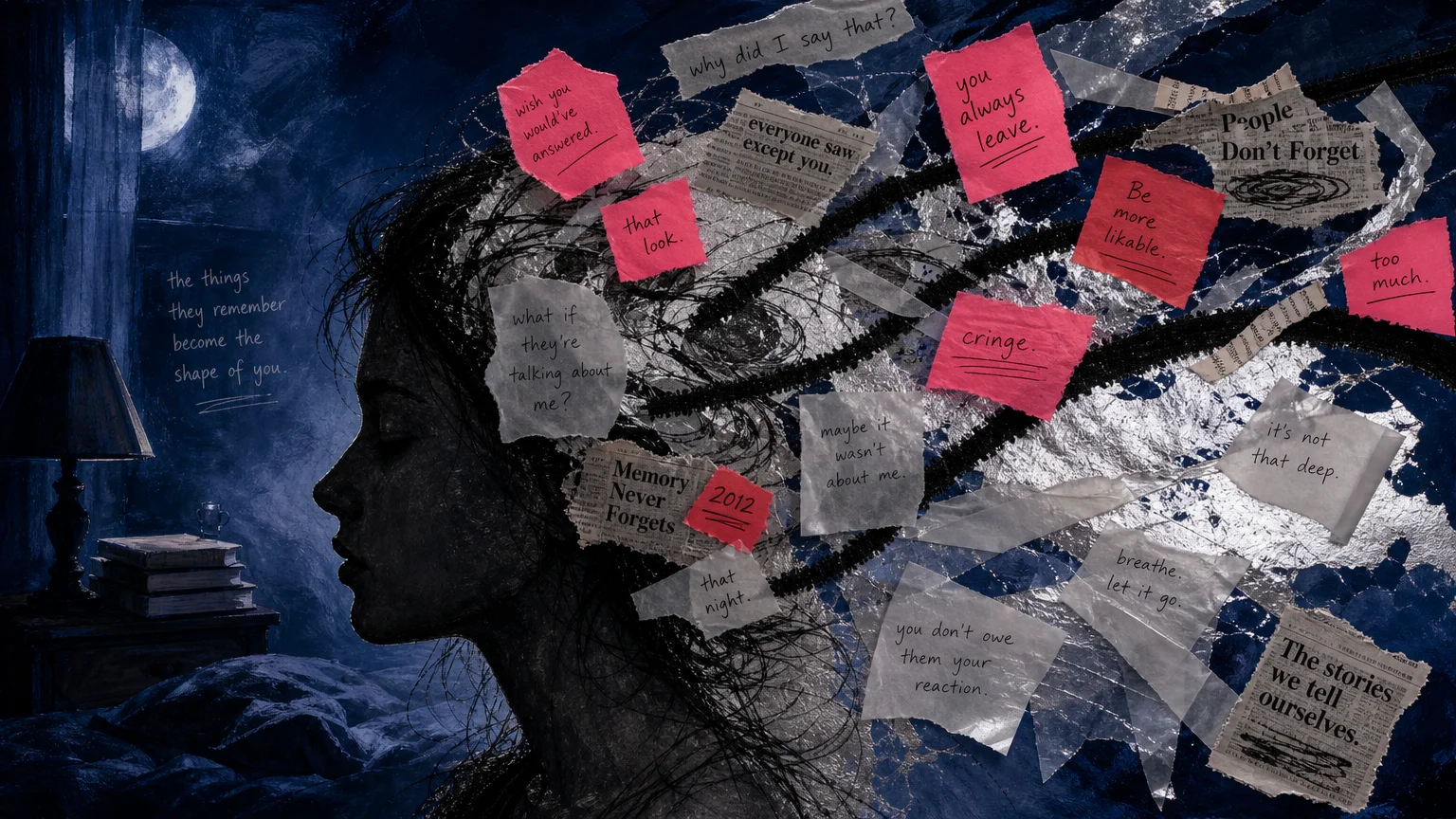
Human beings possess a remarkable ability to detect subtle shifts in their environment. When a partner alters their behavior, your brain immediately registers the discrepancy. However, interpreting these shifts requires careful consideration of our own cognitive patterns. Sometimes, intense anxiety or a history of betrayal can make innocent actions appear suspicious. This dynamic highlights the importance of distinguishing between genuine signs of dishonesty and our own internal fears.
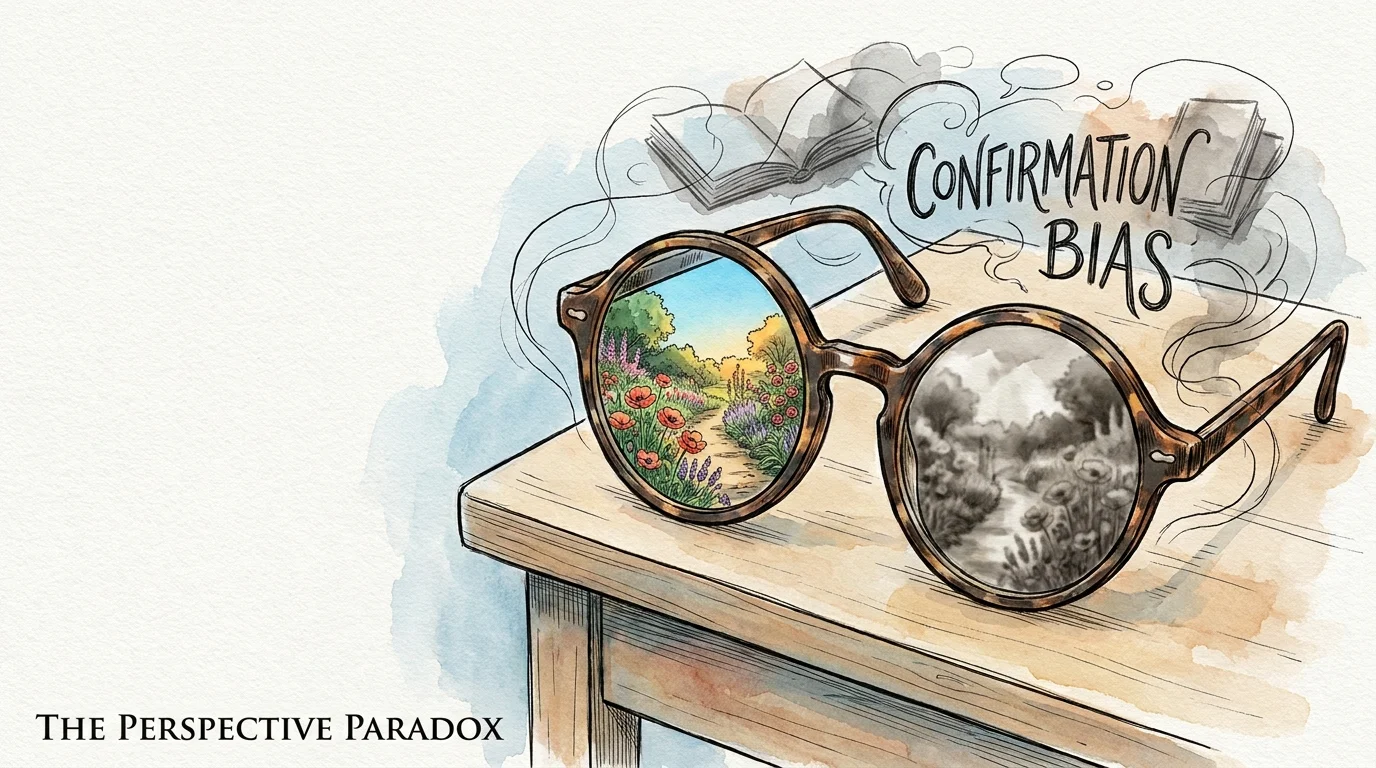
We all experience cognitive biases that shape our perception of reality. One common pattern is confirmation bias, which occurs when you subconsciously seek out, interpret, and remember information that confirms your preexisting beliefs. If you already suspect your partner of lying, you might interpret a harmless forgotten detail as undeniable proof of deception. Alternatively, if you desperately want to believe your relationship is perfect, you might minimize glaring inconsistencies. Acknowledging these mental tendencies allows you to examine your relationship with greater objectivity and fairness.
Chronic suspicion places an enormous burden on your nervous system. The stress of constant vigilance disrupts your resting heart rate, increases cortisol levels, and severely impacts your restorative rest. Sleep deprivation alone can exacerbate feelings of paranoia and impair your judgment. Ensuring your physical baseline remains stable is a vital first step before making any sweeping relationship decisions.
For more insights on maintaining your emotional resilience during difficult life transitions, you can find grief and coping resources at the American Psychological Association (APA) and the NIH. If you find that relationship anxiety keeps you awake, you can learn helpful sleep facts at the Sleep Foundation.