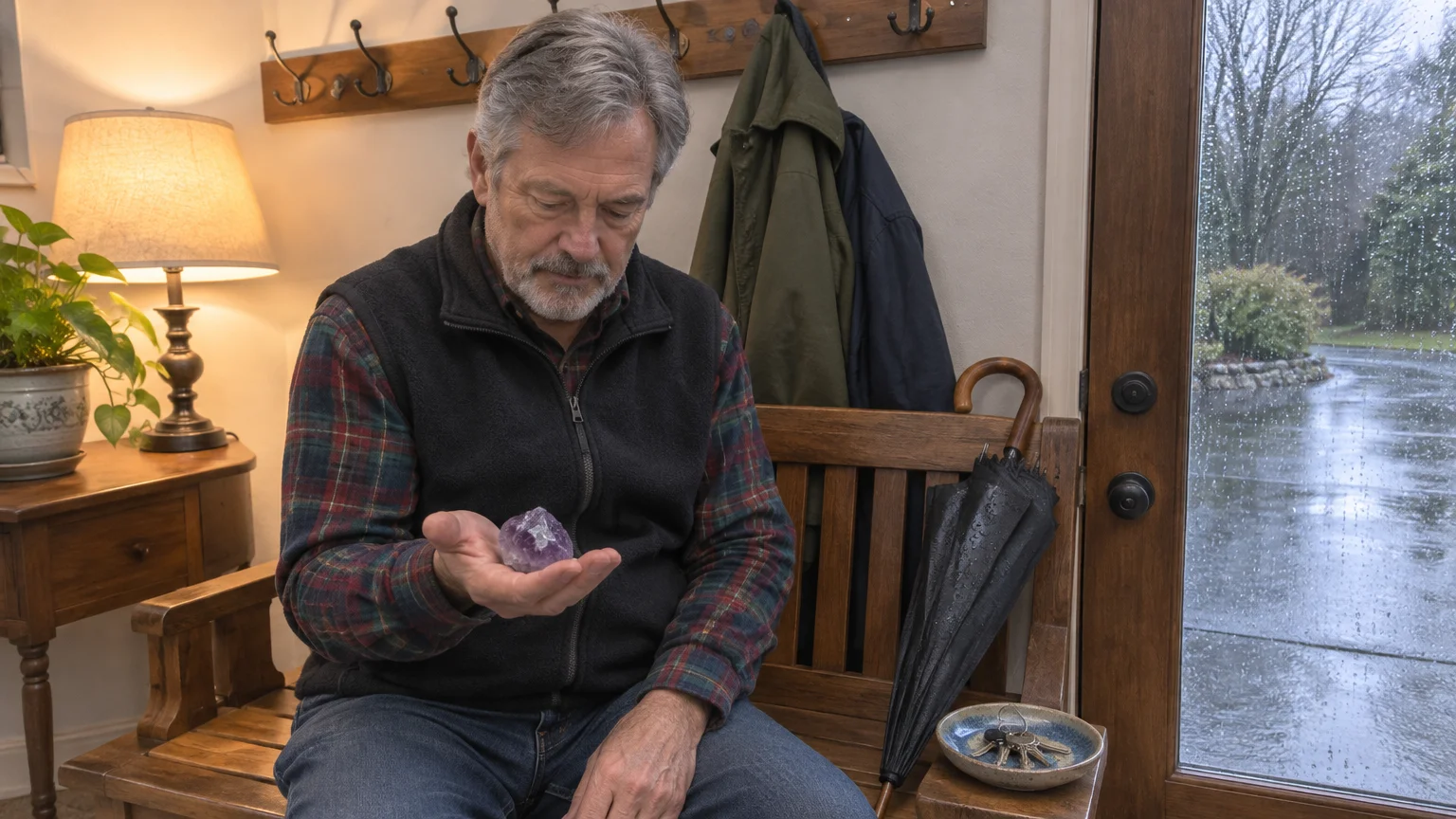
Holding a smooth stone during a quiet moment can feel steady and grounding. Many adults over fifty look to crystals for calm when navigating grief, retirement, or restless nights.
Others enjoy keeping good luck crystals near a desk or bedside as a simple reminder of hope. You do not need to believe in magic to appreciate their beauty.
Below, you will learn traditional crystal meanings alongside what science actually shows. You will also find gentle daily habits, stone care rules, and clear safety boundaries.
What Crystal Meanings Are and What Science Shows
People across many cultures have carried stones for comfort, protection, and focus for centuries. Today, interest in spiritual crystals remains common across age groups and backgrounds.
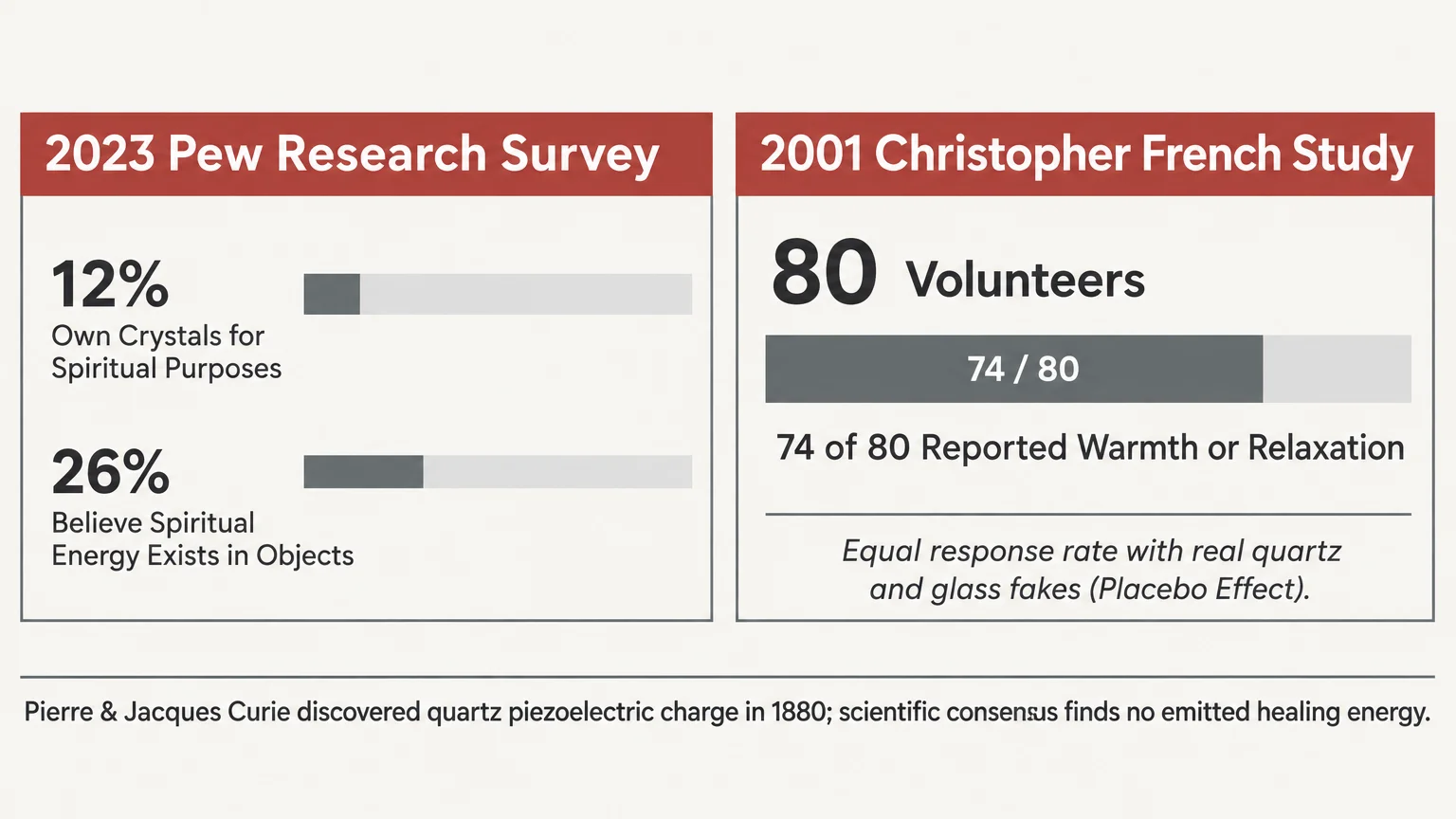
A 2023 Pew Research Center survey found that 12% of U.S. adults own crystals for spiritual purposes. About 26% believe spiritual energy can live in objects like stones or jewels.
Still, it helps to separate personal meaning from medical proof. Many people interpret a warm feeling in their palm as healing energy, yet researchers point to different causes.
In 1880, Pierre and Jacques Curie showed quartz creates a tiny electric charge under pressure. Watches and microphones use this trait, called the piezoelectric effect.
However, Penn State scientist Peter Heaney notes no National Science Foundation evidence that stones emit healing energy. Crystals cannot cure illness or replace medical care.
Why do many people still feel calmer holding one? In a 2001 study led by psychologist Christopher French, 80 volunteers meditated with real quartz or glass fakes.
About 74 of those 80 people felt warmth or relaxation, even with fake glass. French reported no proof that crystal healing works beyond a placebo effect.
The placebo effect means your brain creates real calm because you expect comfort. Confirmation bias, which is noticing events that fit your hopes, also shapes how lucky a stone feels.
U.S. FTC and FDA rules bar sellers from claiming stones cure disease without solid proof. Treating crystals as simple mindfulness tools keeps your expectations grounded.
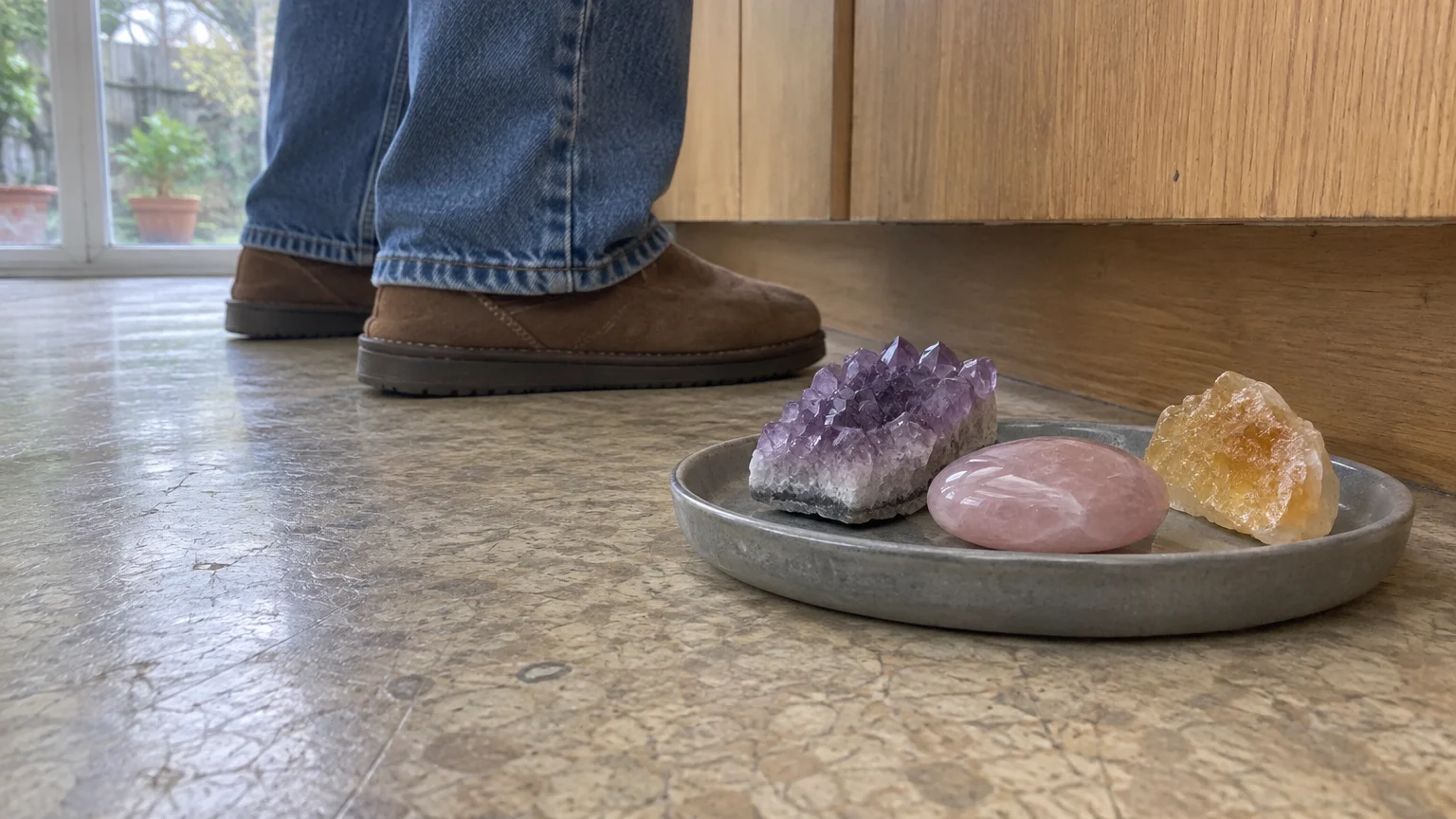
7 Crystals Believed to Bring Calm and Good Luck
Pairing personal meaning with basic stone care helps most. In 1822, mineralogist Friedrich Mohs built a 1 to 10 scratch scale to compare durability.
Household dust holds quartz particles rated at 7 on that scale. Stones softer than 7 slowly lose their shine during rough daily wear.
1. Amethyst: Traditional Symbol of a Quiet Mind
Amethyst is purple quartz linked to calm nerves and restful sleep. It rates 7 on the Mohs scale for solid daily durability.
The Gemological Institute of America warns that strong light or heat fades amethyst permanently. Wash it gently in warm, soapy water rather than using steam.
Hold amethyst during five slow breaths before bed. Ask yourself one journal prompt: what worry can I set down until tomorrow morning?
2. Rose Quartz: Stone of Gentle Kindness
Pink rose quartz stands for kindness, grief support, and warm relationships. This silicon dioxide stone also scores 7 on the Mohs scale.
Plain rose quartz rinses safely in water. Skip crackle quartz, though, because heat fractures inside it can trap dyes and bacteria.
Keep rose quartz near a favorite chair for a morning check-in. Hold it for one minute and silently repeat gentle phrases of forgiveness toward yourself.
3. Citrine: Bright Stone Linked to Good Fortune
Golden citrine is a popular good luck crystal for optimism and fresh energy. Natural yellow citrine is quite rare in nature.
Gem groups note that most store citrine is amethyst heated to 470 to 560 degrees Celsius. Avoid sharp temperature swings that can crack the stone.
Place citrine near your calendar as a visual cue for gratitude. Each Friday, write down three small good moments from your week.
4. Green Aventurine: Favorite for Fresh Starts
Green aventurine gets its soft shimmer from tiny mica flakes inside quartzite. People carry it for calm confidence during big changes like moving or new hobbies.
At Mohs 6.5 to 7, it travels well in a pocket. Slip a smooth piece into your coat before a mindful walk outdoors.
Notice three colors or sounds along your path while your fingers rest on the stone. Simple sensory habits help quiet racing thoughts.
5. Jade: Ancient Emblem of Harmony and Luck
In 1863, experts split jade into two minerals called jadeite and nephrite. Both symbolize harmony, wisdom, and steady luck across Asian cultures.
Nephrite scores about 6 on the Mohs scale, while jadeite scores 6.5 to 7. Yet interlocking fibers give both extraordinary toughness against chipping.
Ask about jade grades before paying high prices. Natural Type A jadeite only has surface wax, while Type B is bleached and Type C is dyed.
Keep a small piece of jade by your keys. Let it remind you to pause and choose patient words before reacting during busy days.
6. Lepidolite: Soft Mineral Tied to Emotional Balance
Lilac lepidolite is a mica stone kept nearby on anxious days. Unlike quartz, lepidolite rates just 2.5 to 3 on the Mohs scale.
Because it contains aluminum and flakes easily, never soak lepidolite in water or drop it into a coin bag. Store it safely on a quiet desk or nightstand.
When you feel overwhelmed, rest your fingertips on the stone for thirty seconds. Name three things you see and two things you hear in the room.
7. Selenite: Pale Stone for Peaceful Spaces
Satin spar selenite is a milky gypsum mineral used to mark calm corners at home. Despite its name, selenite contains no selenium at all.
At Mohs 2, selenite is softer than a fingernail. Never wash it, because water dissolves the surface and leaves sharp tiny splinters.
Dust it gently with a dry cloth instead. Place selenite beside your reading lamp as an evening signal to turn off screens and unwind.
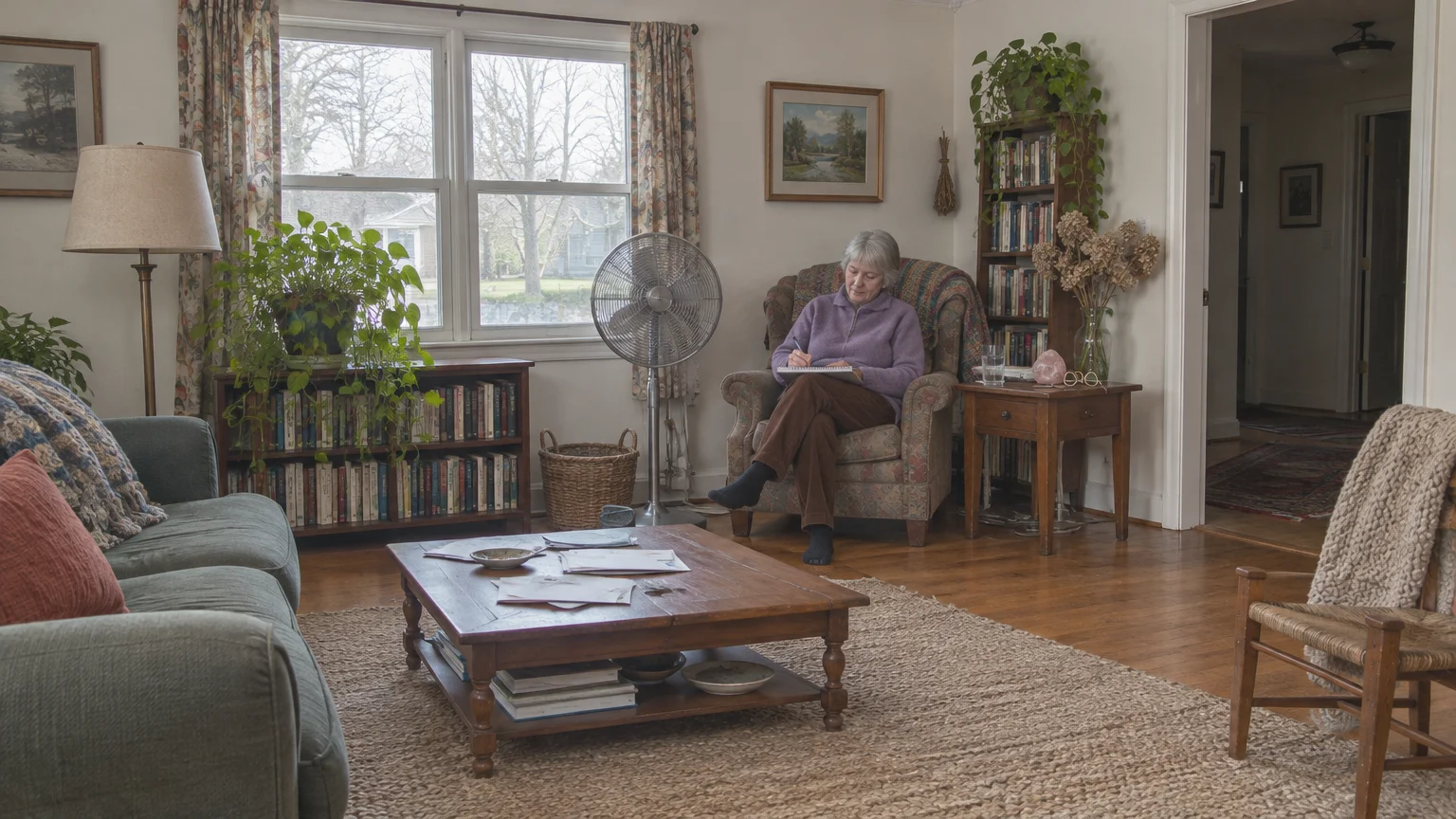
Safe Ways to Explore Crystals in Daily Life
You do not need expensive collections or paid courses to build a peaceful routine. A single smooth stone and five quiet minutes cost nothing.
Try this simple 7-day practice plan at home. On days one through three, hold one chosen crystal for two minutes while breathing slowly before breakfast.
On days four through six, carry a sturdy stone like rose quartz during a short walk. On day seven, write two lines about how that steady pause felt.
Skip trendy crystal water elixirs that put stones directly into your mug. Malachite leaches copper, pyrite can form sulfuric acid, and fluorite slowly leaks fluoride into acidic drinks.
If you like crystal-themed bottles, choose indirect sealed-chamber containers so stones never touch your water. Wash your hands after handling rough, dusty, or dyed stones.
A 2019 Guardian report noted Madagascar’s exports of gems and precious metals jumped 170% to $109 million in 2017. Over 80% of Madagascar’s crystals are dug by hand without labor rules.
Miners there often earn about 23 cents per kilogram for rough stone. Asking sellers about ethical sourcing helps support fairer working conditions.

Boundaries, Red Flags, and Mental Health Support
Grief and loneliness can make bold spiritual promises sound tempting. Protect your heart and savings by spotting sales pressure early.
Walk away from anyone who guarantees luck, demands secrecy, or charges large upfront fees to clear bad energy. Trusted teachers never push costly readings.
Never stop prescribed medications or therapy because you started using crystals for calm. Complementary habits work best alongside qualified medical care.
If sleep trouble or sadness lingers, bring it up with a doctor, counselor, or faith leader. You can use a simple opener like this during your visit.
I have been using quiet breathing with a stone to relax, yet my grief still feels heavy. Can we talk about steady support options for my sleep and mood?
Grief and coping resources at the American Psychological Association (APA) and NIH.
Sleep facts at the Sleep Foundation.
Complementary practices via NCCIH.
Mental health support and resources at SAMHSA.
Frequently Asked Questions About Spiritual Crystals
Can crystals really change my luck?
No scientific proof shows stones alter outside events or bring wealth. Many people find that lucky objects simply boost confidence and help them spot good opportunities.
How much should I spend on a starter stone?
A small tumbled piece of quartz or aventurine usually costs just a few dollars. Avoid high-priced rare claims until you learn basic mineral grades like Type A jade.
Can I sleep with a crystal under my pillow?
Hard stones like amethyst can feel lumpy and disrupt rest, while soft selenite can flake onto sheets. Keep stones safely on a bedside table instead.
Do crystals work if I do not believe in spiritual energy?
Yes, as a grounding touchstone. Holding a cool pebble gives your restless hands a steady anchor during slow breathing or guided imagery, which means picturing a calm scene.

Next Steps for Your Own Quiet Practice
You do not need complicated rituals to benefit from gentle daily pauses. Start by picking one sturdy stone you own or finding a smooth pebble outdoors.
Keep a short notebook beside your chair this week to track your sleep and calm moments. Notice whether quiet breathing or writing helps more than the stone itself.
Before buying anything online, check Mohs hardness and water-safety facts first. If a seller promises instant cures or asks for steep fees, close the page.
This article offers general information only and is not medical, psychological, financial, or legal advice. If grief, anxiety, or sleep trouble persists, talk with a licensed professional or trusted faith leader.
Seek urgent care right away if you ever feel in crisis.