Establishing Healthy Boundaries and Emotional Safety
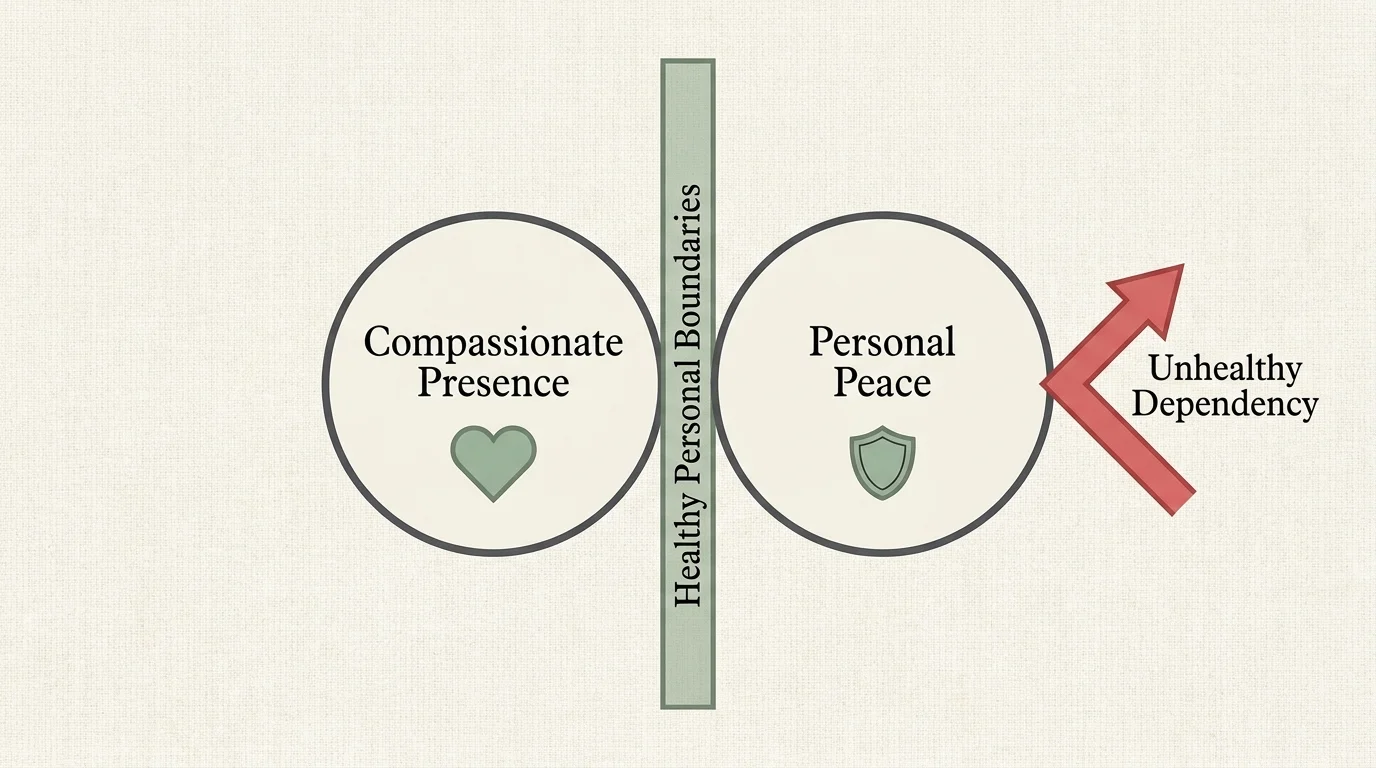
Navigating relationships with people who constantly crave validation can blur your emotional boundaries. It is entirely possible to hold deep compassion for someone’s underlying grief or insecurity while simultaneously refusing to participate in their unhealthy behavioral loops. Establishing boundaries is not an act of cruelty; it is an act of preservation.
When you clearly define what you are willing to discuss and how long you are willing to engage, you create a safe container for the relationship to survive. If a friendship constantly revolves around appeasing someone else’s anxiety, you must take a step back to evaluate the toll it takes on your own health.
Emotional exhaustion from difficult social dynamics can cause profound physical side effects, including elevated heart rates and disrupted rest. Protecting your physical health is just as important as managing your psychological boundaries. You can find helpful sleep facts at the Sleep Foundation to understand how interpersonal stress impacts your nightly recovery.
If the validation-seeking stems from profound loss, recognizing the symptoms of complicated mourning is crucial. You can explore excellent grief and coping resources at the American Psychological Association (APA) and the NIH to better understand the standard trajectory of healing.
Furthermore, remain vigilant against exploitative services that target vulnerable individuals craving emotional reassurance. Red flags include practitioners who demand large upfront fees, insist on secrecy, or guarantee specific spiritual outcomes. No ethical counselor, spiritual guide, or medical professional will pressure you into dependency. Always prioritize evidence-based care when facing severe emotional distress.
You can find robust mental health support and resources at SAMHSA, and safely investigate complementary practices via NCCIH. Remember that exploring spiritual meanings or psychological patterns should never replace necessary medical or mental-health care.