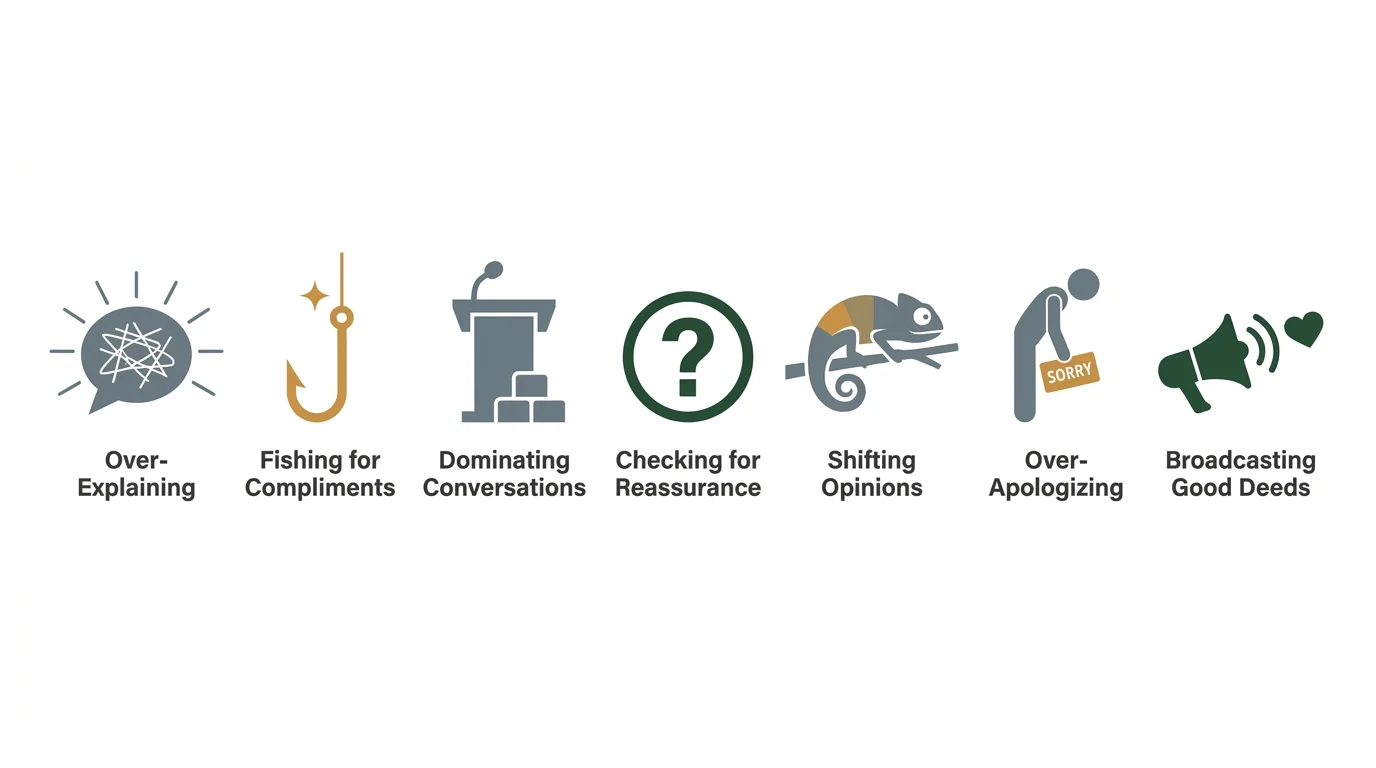
7 Social Behaviors That Reveal Someone Craves Validation

1. Over-Explaining Simple Choices
You may notice a friend spending ten minutes justifying why they chose a particular brand of tea or decided to stay home on a Friday night. Over-explaining stems from a deep-seated fear of being misunderstood or judged.
Instead of trusting that their preferences are inherently valid, they build elaborate verbal defenses to convince you—and themselves—that they made the right choice. This behavior drains conversational energy and often shifts the focus away from meaningful connection toward tedious details.
To explore this dynamic safely in your own life, you can use a brief journaling prompt. Sit quietly with a pen and ask yourself: When did I last feel the urgent need to justify a simple personal decision to someone who did not even ask?
Writing down your reflections helps you identify the specific environments or relationships that trigger your own insecurities, allowing you to cultivate quiet confidence in your daily choices.
2. Fishing for Compliments Indirectly
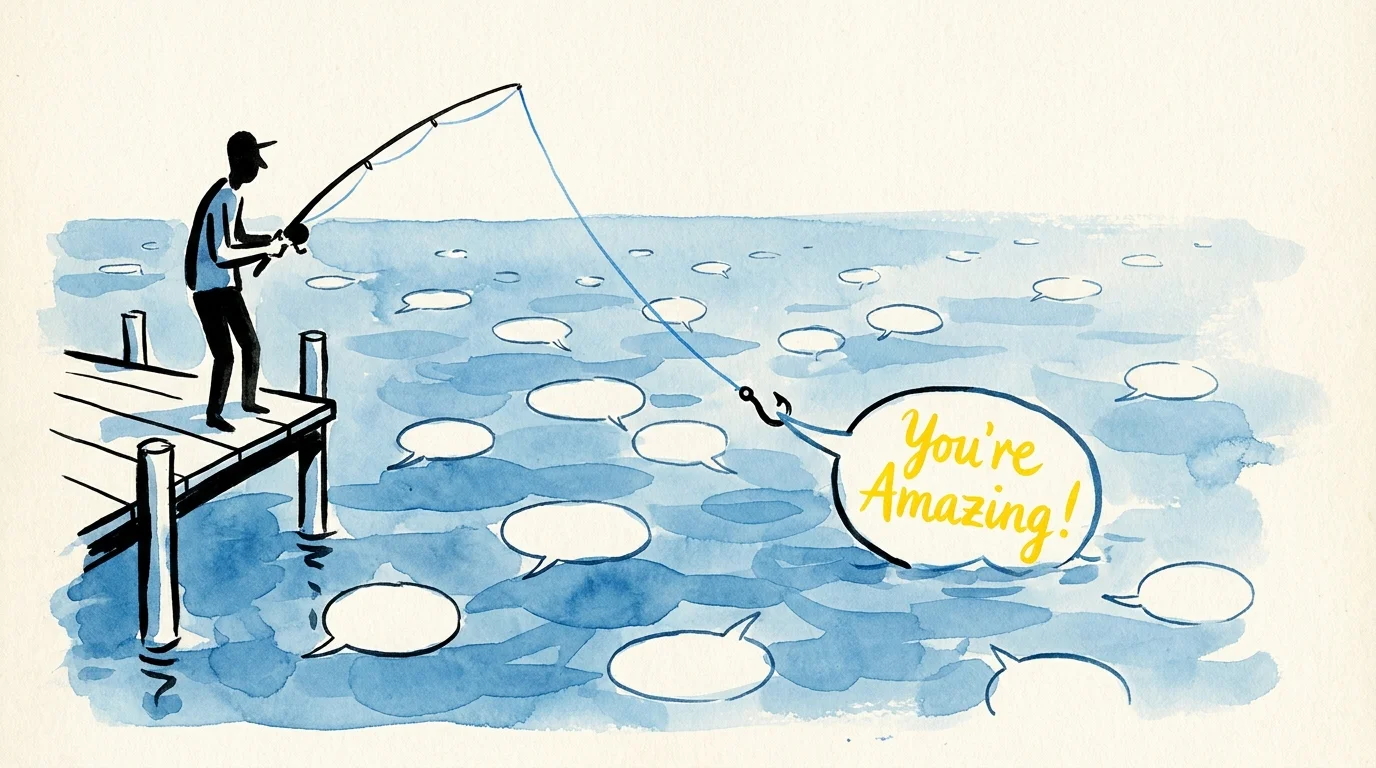
Indirect compliment-fishing often disguises itself as self-deprecation. A loved one might frequently make disparaging remarks about their appearance, their cooking, or their intelligence, subtly forcing you into a position where you must rescue them with praise.
While occasional self-doubt is normal, employing self-criticism as a reliable tool to extract compliments reveals a persistent hunger for external affirmation. This places an unfair emotional burden on you to constantly play the role of the cheerleader.
You can manage this dynamic by practicing a mindful check-in. The next time a friend puts themselves down, pause for a moment to observe your immediate physical and emotional reaction. Do you feel a sudden, anxious rush to correct them?
By noticing this internal pressure, you can consciously choose to respond with gentle neutrality—perhaps by changing the subject or offering a compassionate nod—rather than feeding the validation loop.

3. Dominating Conversations with Personal Triumphs
Healthy friendships involve a balanced exchange of stories, but a deep craving for validation often leads someone to hijack the conversation. They might constantly steer the topic back to their own achievements, their grandchildren’s successes, or their past accolades.
This conversational narcissism rarely stems from actual arrogance; rather, it grows from a desperate need to ensure they remain visible and valued in your eyes. Unfortunately, this behavior leaves others feeling unheard and eventually creates distance in the relationship.
When dealing with someone who dominates interactions, rely on a practical safety cue to protect your energy. Pay close attention to your own emotional depletion. If spending time with a specific person consistently leaves you feeling exhausted or invisible, you must recognize this as a clear signal to implement stronger boundaries.
Limiting the duration of your visits or gracefully steering the conversation toward shared activities can preserve the friendship while protecting your mental health.
4. Constantly Checking for Reassurance
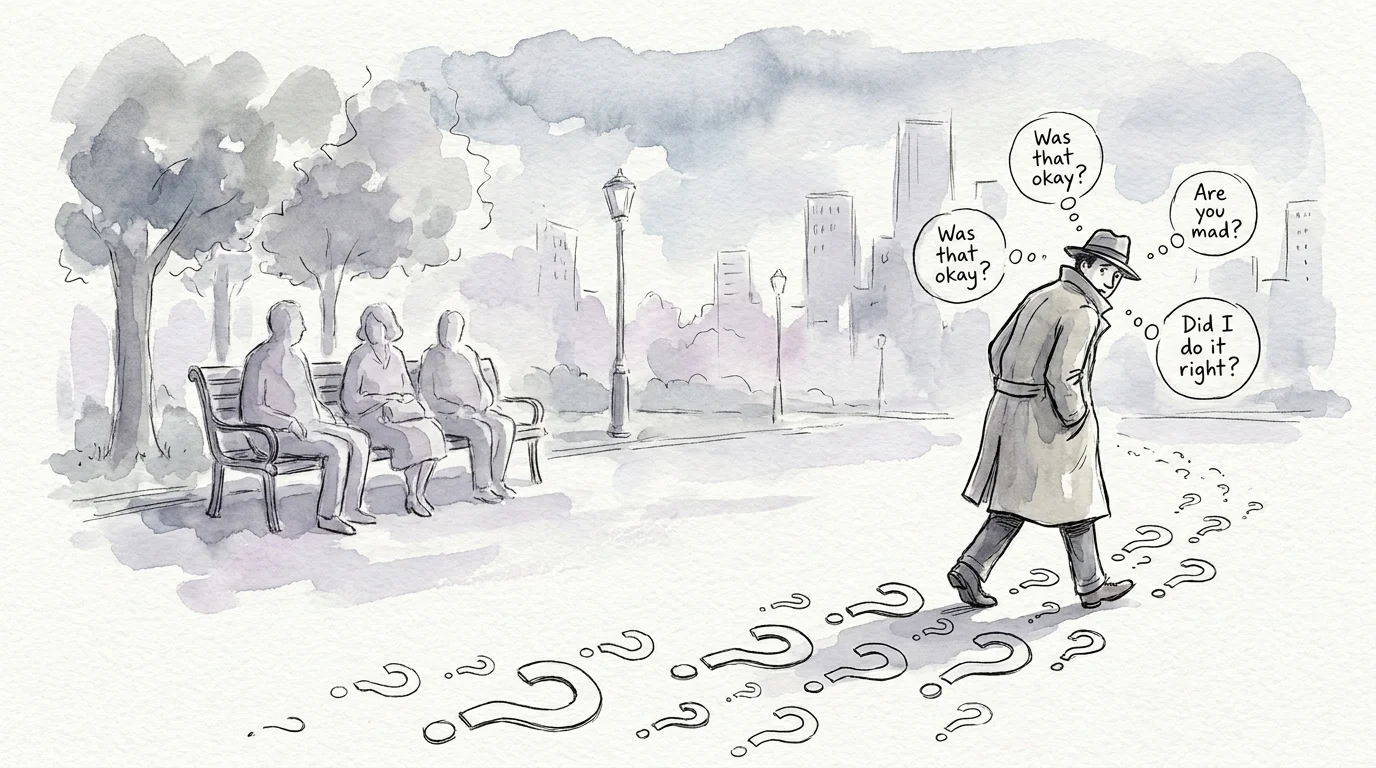
Frequent reassurance-checking sounds like asking, Are you sure you are not mad at me? or Did I do that right? over and over again. This behavior heavily impacts relationships because it demands continuous emotional labor from the listener.
The individual struggles to trust the stability of the bond, relying on you to constantly re-cement the foundation of the friendship. This pattern often intensifies during periods of high stress, significant life transitions, or complex grief.
You can gently interrupt this cycle by introducing a simple habit of delay. If you find yourself seeking constant reassurance, implement a seven-second pause before asking your question. Take a slow, deep breath and remind yourself of the established facts of the relationship.
Often, the urge to seek external validation dissipates within those few seconds of mindful grounding, empowering you to trust your own inner stability.
5. Shifting Opinions to Match the Room
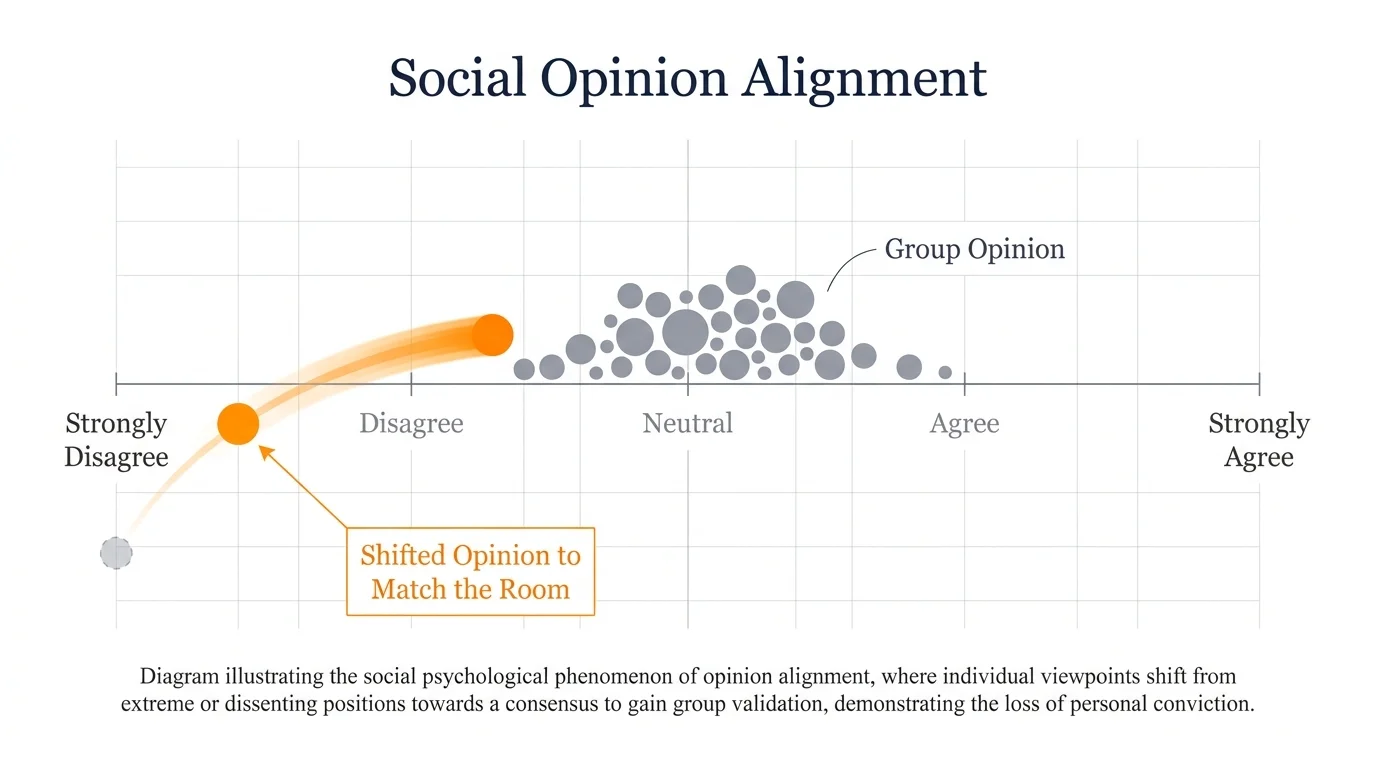
Chameleon behavior occurs when someone completely alters their stated beliefs, preferences, or values depending on who is in the room. In their quest for acceptance, they abandon their authentic voice to mirror the dominant opinions around them.
While adapting to social contexts is a normal part of human interaction, chronically abandoning your core values reveals a profound lack of internal security. They believe that their true self is unlovable, so they perform whatever version of themselves they think will earn the most applause.
To counteract the temptation to blend in entirely, try grounding yourself before attending social gatherings. Spend five minutes reviewing your most deeply held values and gently acknowledging your own inherent worth.
Visualize a soft, protective light around you—a technique known as guided imagery—that allows you to remain open to others while staying firmly rooted in your authentic identity.

6. Over-Apologizing for Minor Offenses
Taking the blame for situations entirely outside of their control is a common tactic for those who crave approval. By over-apologizing for the weather, traffic, or someone else’s bad mood, they attempt to preempt any possible criticism. They falsely believe that making themselves small and agreeable will prevent conflict and secure your affection.
In reality, constant apologies dilute the meaning of genuine remorse and create an uncomfortable power imbalance in the relationship.
You can actively transform this habit by practicing an actionable substitution technique. Challenge yourself to replace the phrase I am sorry with an expression of gratitude whenever appropriate. Instead of apologizing for being five minutes late, try saying, Thank you for your patience in waiting for me.
This simple linguistic shift maintains your dignity, acknowledges the other person, and breaks the automatic reflex of unnecessary self-diminishment.

7. Broadcasting Good Deeds Publicly
A genuine act of kindness offers its own quiet reward, but someone craving validation feels compelled to broadcast their morality. They might extensively document their charitable actions on social media or ensure that every group conversation eventually touches upon their recent sacrifices.
While their actions may indeed be helpful, the underlying motive is to gather an audience for their goodness. This performative behavior relies on external applause to validate their moral compass.
When navigating relationships with people who broadcast their deeds, use a clear safety cue: avoid high-pressure or manipulative social dynamics. You do not owe anyone excessive praise for basic acts of human decency. Acknowledge their contribution politely, but firmly resist the pressure to offer the exaggerated adulation they are seeking.
Maintaining this calm boundary prevents you from becoming entangled in an exhausting cycle of performative spirituality.