The 9 Life Lessons People Often Learn Too Late
Health is a quiet foundation until it falters
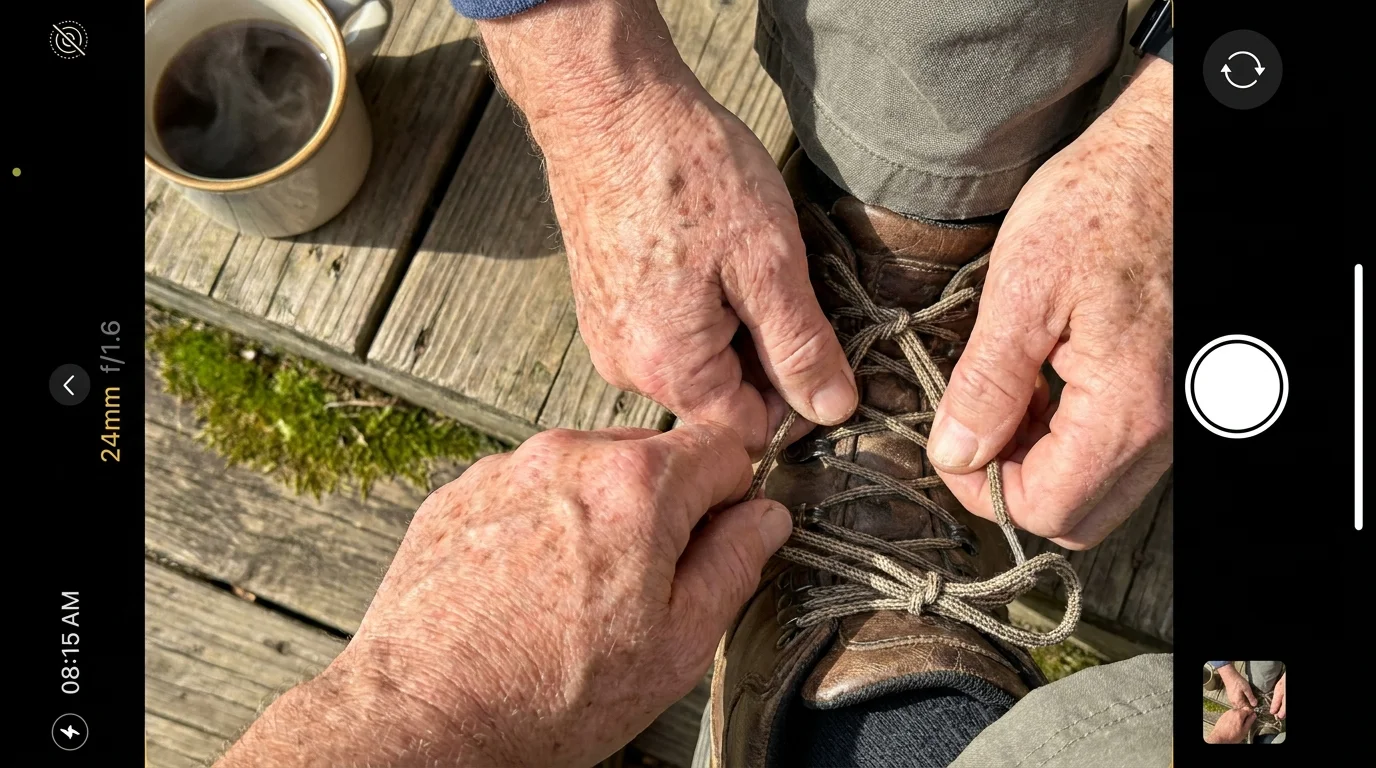
Many people treat their bodies like invincible machines during their younger years, pushing through exhaustion and ignoring minor ailments. You might have prioritized career advancement or family caregiving over adequate sleep, nutrition, and rest. The realization that health is your most valuable asset often arrives only when physical limitations begin to appear.
Chronic stress and neglected self-care eventually manifest as physical symptoms, violently shifting your focus from what you want to achieve to simply feeling well enough to participate in daily life.
Protecting your wellbeing requires shifting from a mindset of cure to a mindset of compassionate prevention. You can start by honoring your body’s signals rather than overriding them. A practical way to implement this is through a daily mindful body check-in.
Sit comfortably for three minutes each morning, mentally scanning your body from head to toe. Notice any areas of tension, soreness, or fatigue without judgment. This gentle awareness costs nothing and takes only moments, yet it provides vital information about what your body needs that day.
Worrying is a misuse of your imagination
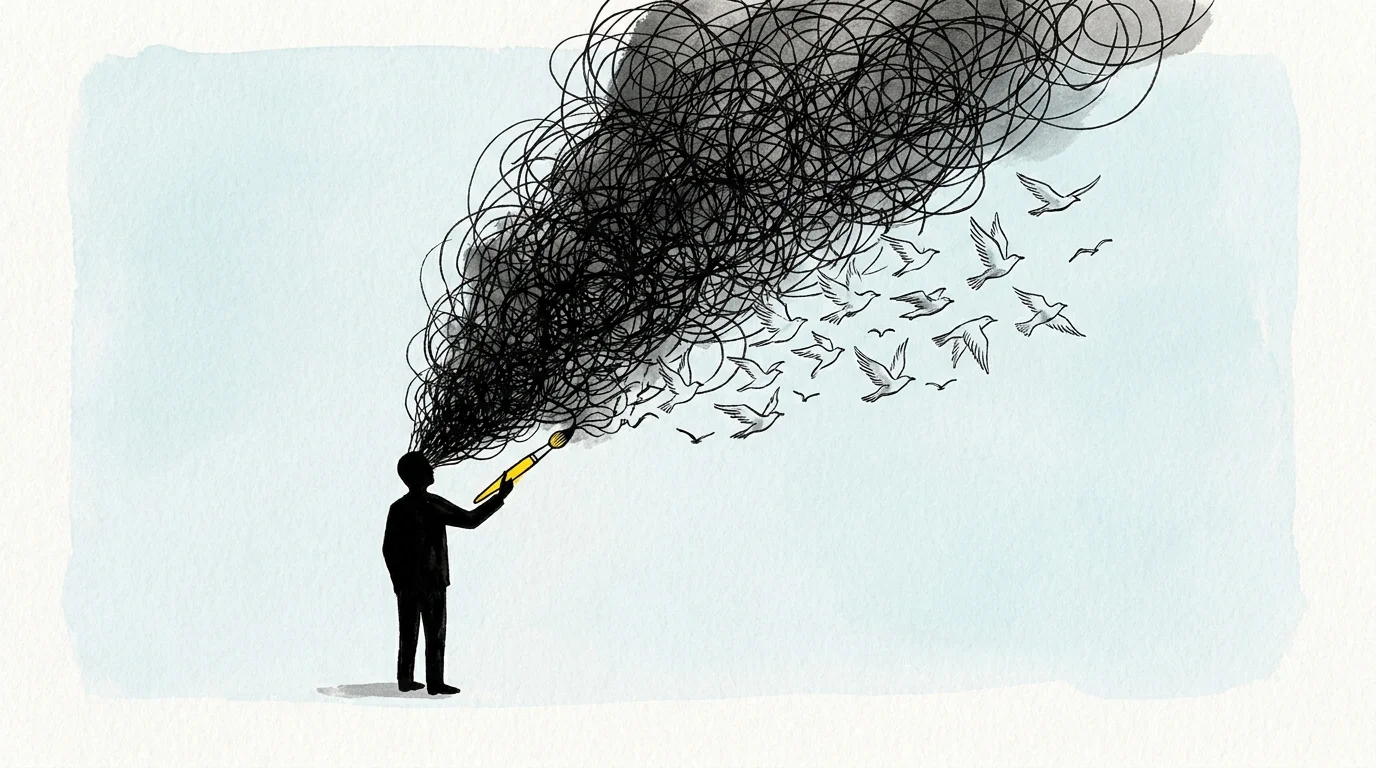
Anxiety often disguises itself as preparation. You might spend decades mentally rehearsing worst-case scenarios, believing that if you worry enough, you can protect yourself and your loved ones from pain. However, most of the catastrophes you vividly imagine never actually come to pass.
The heavy emotional toll of this constant vigilance drains your energy and prevents you from enjoying the calm moments you currently possess.
You can begin to release this cognitive burden by recognizing that uncertainty is an unavoidable part of the human experience.
When you feel anxiety rising, use this simple journaling prompt to ground yourself: What specific outcome am I trying to control right now, and what is one small thing I can actually influence today? By writing down your thoughts, you move the anxiety out of your mind and onto the paper, allowing you to reclaim your imagination for hope rather than fear.
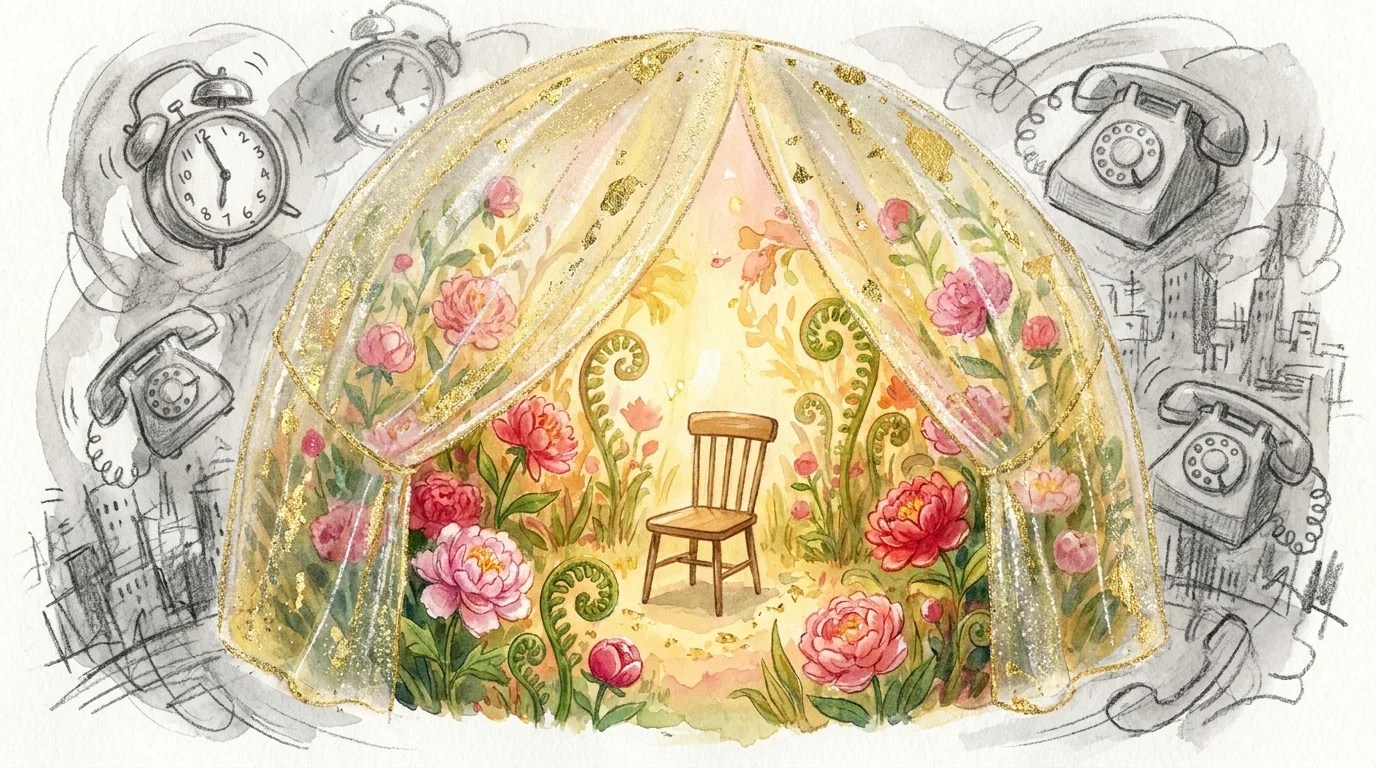
Boundaries protect your peace, not just your time
Many adults are conditioned to be accommodating, often saying yes to obligations that leave them feeling resentful and depleted. You may have spent years avoiding conflict by overextending yourself for colleagues, friends, or family members. Learning that you have the right to set limits is a profound revelation, though it often comes after significant burnout.
Boundaries are not walls meant to keep people out; they are the guidelines that teach others how to safely and respectfully interact with you.
Establishing boundaries can feel uncomfortable at first, especially if you identify as a caregiver or peacemaker. To make this easier, prepare a gentle but firm conversation opener in advance.
You might say: I have realized I need more quiet time to manage my energy, so I will be stepping back from this commitment right now. This clear statement requires no extensive justification and gracefully protects your emotional bandwidth.

Forgiveness is a gift you give yourself
Holding onto anger and resentment feels like a mechanism for justice, a way to ensure that someone who hurt you does not get away with it. Over time, however, carrying that bitterness acts like a heavy weight pressing exclusively on your own shoulders.
People often learn far too late that forgiveness does not mean condoning bad behavior or inviting a toxic person back into your life. Rather, it means deciding that the pain of the past will no longer dictate your emotional state today.
If you are struggling to release an old resentment, you can explore the traditional Hawaiian practice of Ho’oponopono.
This involves silently repeating four simple phrases directed at the situation: I am sorry, please forgive me, thank you, I love you. Repeating these words softly to yourself helps break the psychological loop of anger, gently redirecting your focus toward inner healing and emotional freedom.
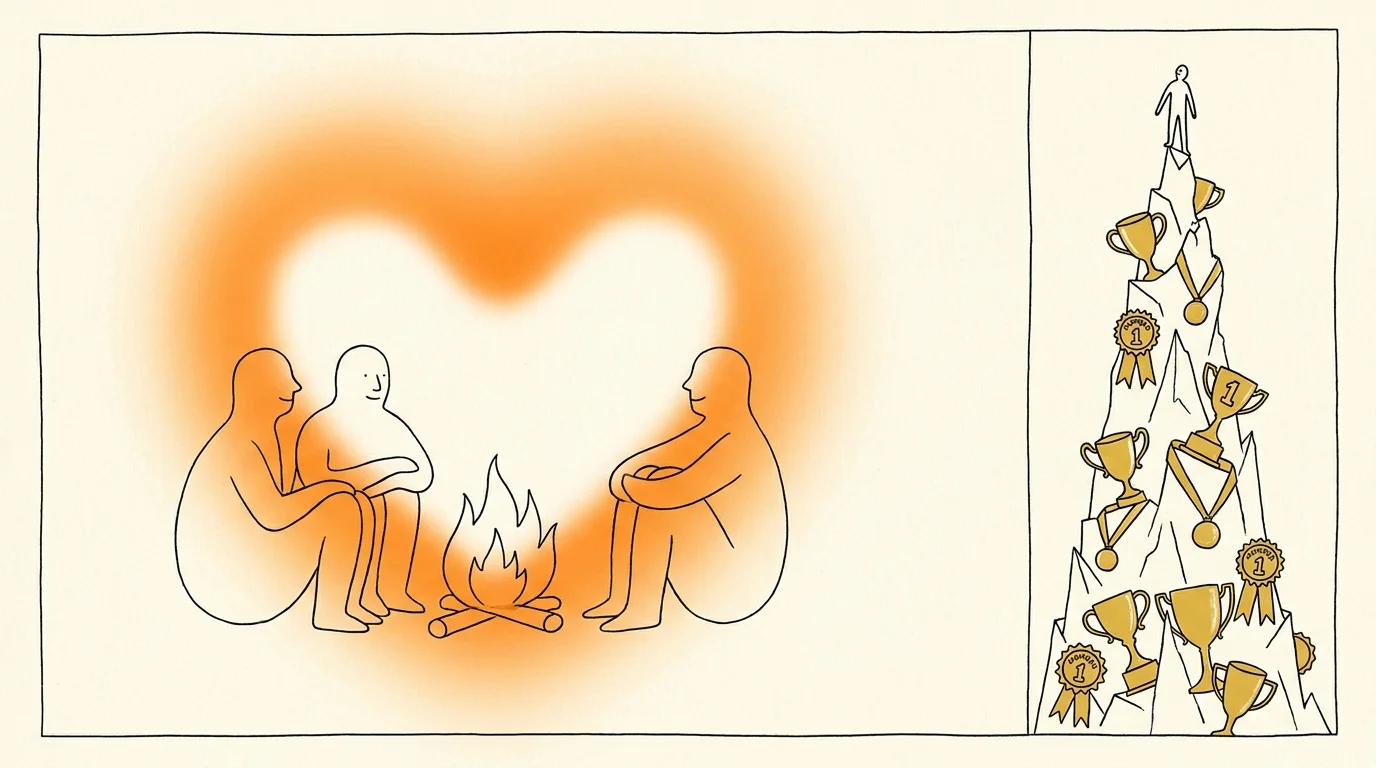
Authentic connection matters more than achievement
Society places immense value on professional titles, financial accumulation, and visible success. You may have sacrificed evenings, weekends, and holidays in pursuit of these cultural markers. Yet, when major life transitions occur—such as retirement or the loss of a loved one—the accolades quickly lose their shine.
What sustains you through difficult times is the depth and authenticity of your relationships, not the length of your resume.
Nurturing meaningful relationships requires intentional effort, especially as social circles naturally shift and change with age. Create a simple habit of reaching out to one person each week without an agenda.
This could be a short text message to check in, a free phone call to an old friend, or inviting a neighbor for a low-cost cup of coffee. These tiny investments in human connection yield the greatest dividends for your long-term happiness.
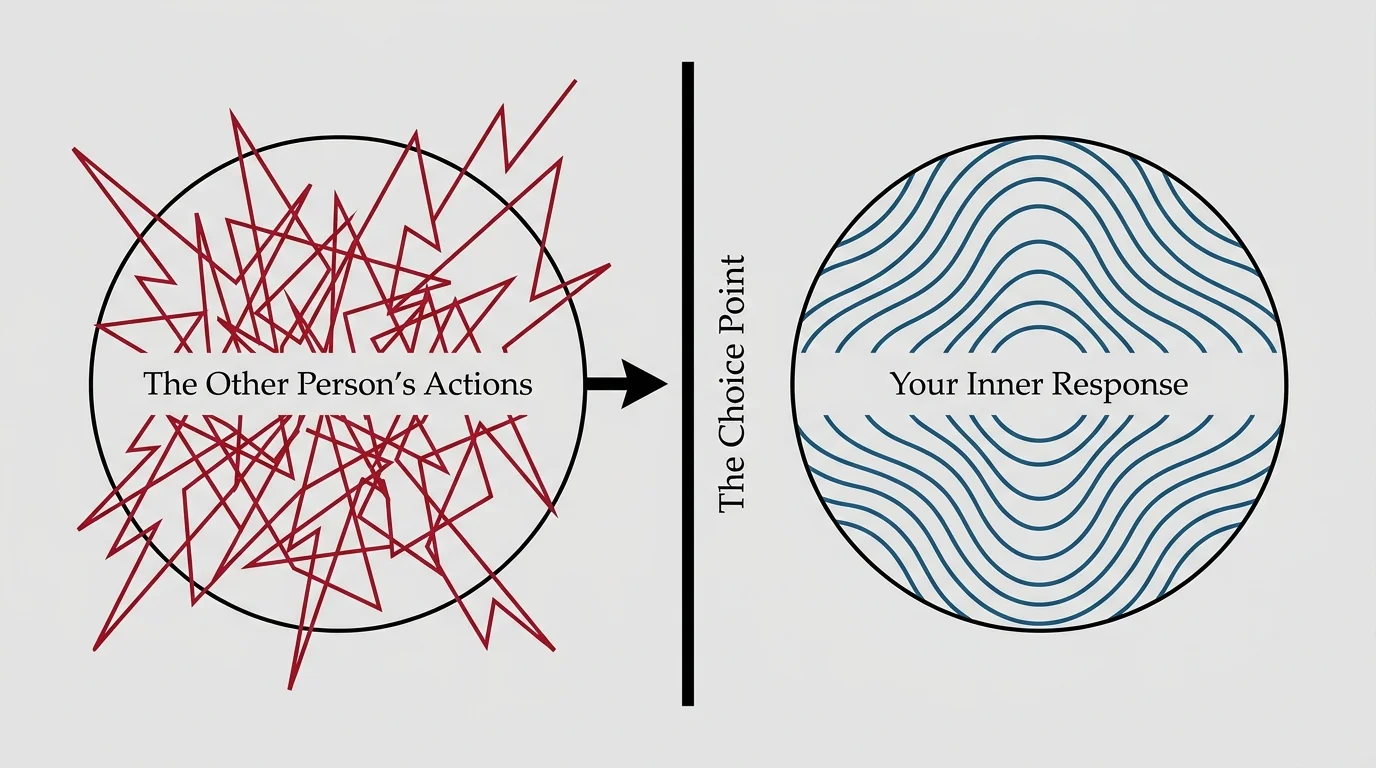
You cannot change others, only your reaction to them
Consider how much energy you have spent trying to fix, improve, or manage the behavior of your spouses, friends, and adult children. The illusion of control is a powerful trap that leads to endless frustration and fractured relationships.
One of the most liberating truths of aging wisdom is realizing that everyone is on their own unique journey, and you are solely responsible for how you choose to respond to their actions.
When you feel the urge to intervene or offer unsolicited advice, practice the mindful pause. Take one deep breath and ask yourself if your input is genuinely requested or if you are simply trying to alleviate your own discomfort.
Stepping back allows your loved ones the dignity to learn from their own experiences and preserves the harmony in your relationships.

Grief is a reflection of deep love, not a problem to solve
Many individuals spend years trying to fix or conquer their sorrow, believing that true healing means forgetting the pain. You might feel pressured by society to move on quickly after a significant loss. However, aging wisdom reveals that grief is not an illness to cure; rather, it is the natural continuation of deep affection.
Recognizing that your sorrow honors the connection you shared can profoundly shift your relationship with loss.
Instead of forcing yourself to move past the ache, you can practice gently accommodating it. A vital safety cue to remember is that while sadness is normal, profound despair that completely prevents you from functioning requires compassionate intervention. If your sorrow feels unmanageable, seeking professional mental health support is a sign of wisdom.
For daily coping, try journaling about a beautiful quality the person or opportunity possessed, focusing on the gratitude of having experienced that connection.

Joy is found in ordinary, everyday moments
It is easy to spend your entire life waiting for the grand milestones—the promotions, the retirements, the perfect vacations—believing these rare events hold the key to lasting happiness. Yet, people often realize too late that the most profound joy lives in the quiet, uncelebrated spaces between those major events.
When you constantly look ahead for the next big thrill, you risk entirely missing the quiet beauty unfolding right in front of you.
To capture this joy, you must actively train your brain to notice it. You may be experiencing confirmation bias—the psychological tendency to notice only the information that supports your existing beliefs. If you believe life is exhausting, you will only see stress. Counter this by practicing an evening gratitude exercise.
Reflect on one specific, positive sensory detail you experienced that day, such as the warmth of the sun on your hands or the smell of fresh soil. Cultivating this awareness anchors you in the present.

Your worth is not determined by your productivity
From a very young age, many people are taught that their value is inextricably linked to their output. You might feel a lingering sense of guilt when you take time to rest, feeling as though you must constantly earn your right to relax.
Retiring from the workforce or stepping back from intensive caregiving can trigger a profound identity crisis if your self-worth is entirely tied to how busy you remain.
Unlearning the hustle culture of your earlier decades requires profound self-compassion. You have inherent value simply because you exist. To actively practice this lesson, try scheduling fifteen minutes of completely unproductive time each day. Use this time to sit by a window, listen to soft music, or simply breathe.
Whenever guilt arises, gently remind yourself that rest is a biological necessity and a fundamental right, not a reward for hard work.