10 Signs Your Intuition May Be Warning You About Someone

1. You Feel a Sudden Drop in Energy
You may encounter individuals who seem perfectly pleasant on the surface, yet you walk away from them feeling completely drained. This sudden exhaustion serves as one of the most common intuition warning signs. Your brain and body work overtime to process the subtle discrepancies between what this person says and what they actually intend.
Maintaining your emotional defenses around them depletes your physical reserves.
Actionable practice: Implement a brief mindful check-in immediately after your social interactions. Sit quietly in your car or on a park bench for three minutes. Notice whether you feel energized, neutral, or severely depleted. Track these energy shifts in a small notebook to identify clear patterns with specific people.
2. Your Body Tenses Up Without Explanation
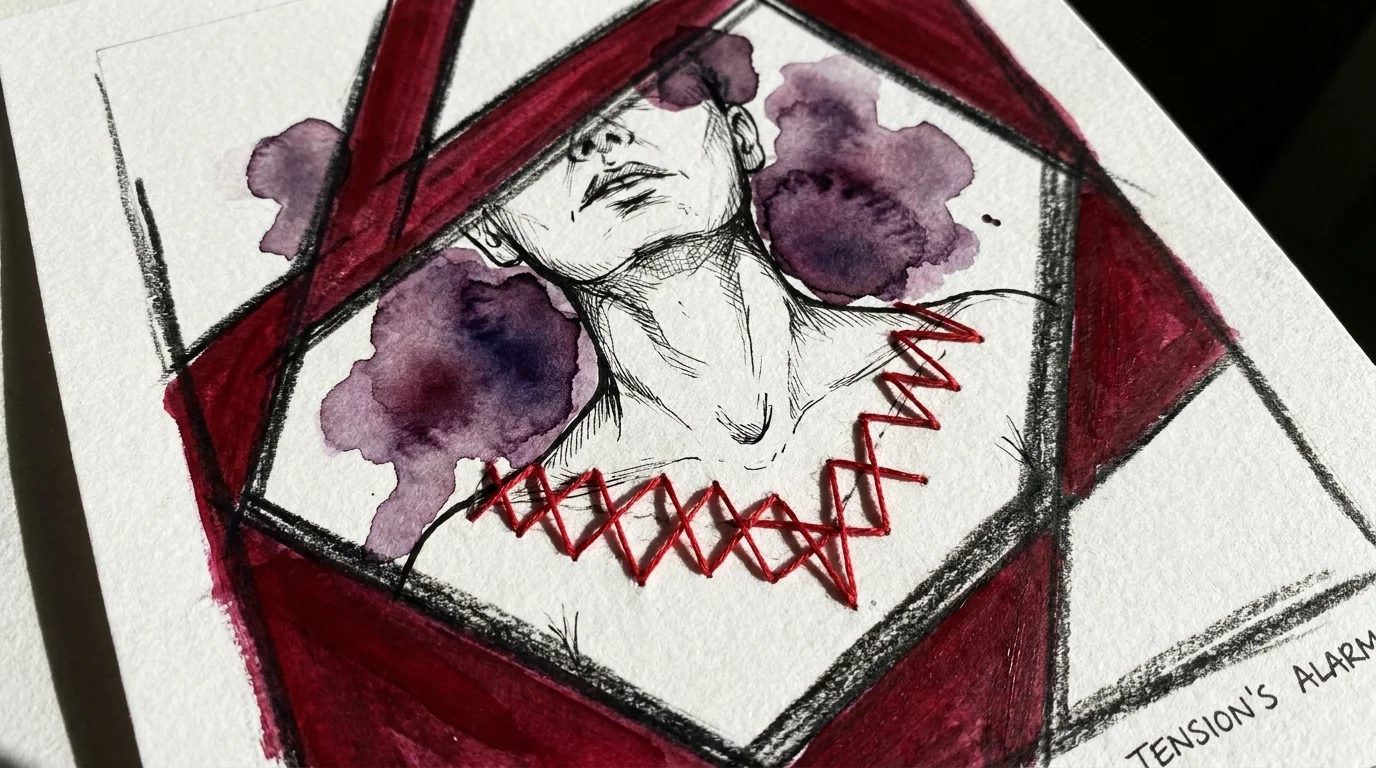
Your physical body rarely lies, even when your conscious mind tries to rationalize someone’s bad behavior. You might notice your hands clenching, your breathing becoming shallow, or your stomach tying itself in knots when a certain person enters the room.
These somatic—or body-based—responses indicate that your nervous system perceives a threat, prompting a mild fight-or-flight reaction.
Actionable practice: Try a quick body scan when you feel uneasy. Mentally check your jaw, your neck, your shoulders, and your stomach. Consciously relax those muscles, take a deep breath, and ask yourself what triggered the tension. Acknowledging the physical cue helps you process the emotional warning.

3. Their Words and Actions Misalign
A classic trigger for relationship intuition is cognitive dissonance—the uncomfortable feeling you get when you hold two conflicting pieces of information. A person might speak with extreme warmth and make grand promises, but their actions consistently show a lack of care or reliability.
Your gut picks up on this inconsistency long before you gather concrete proof of their unreliability.
Actionable practice: Start tracking consistency rather than potential. Instead of focusing on what the person promises to do, write down what they actually accomplish. When you evaluate them based strictly on observable actions, you validate the unease your intuition has been highlighting.
4. You Feel Pressured to Rush Decisions
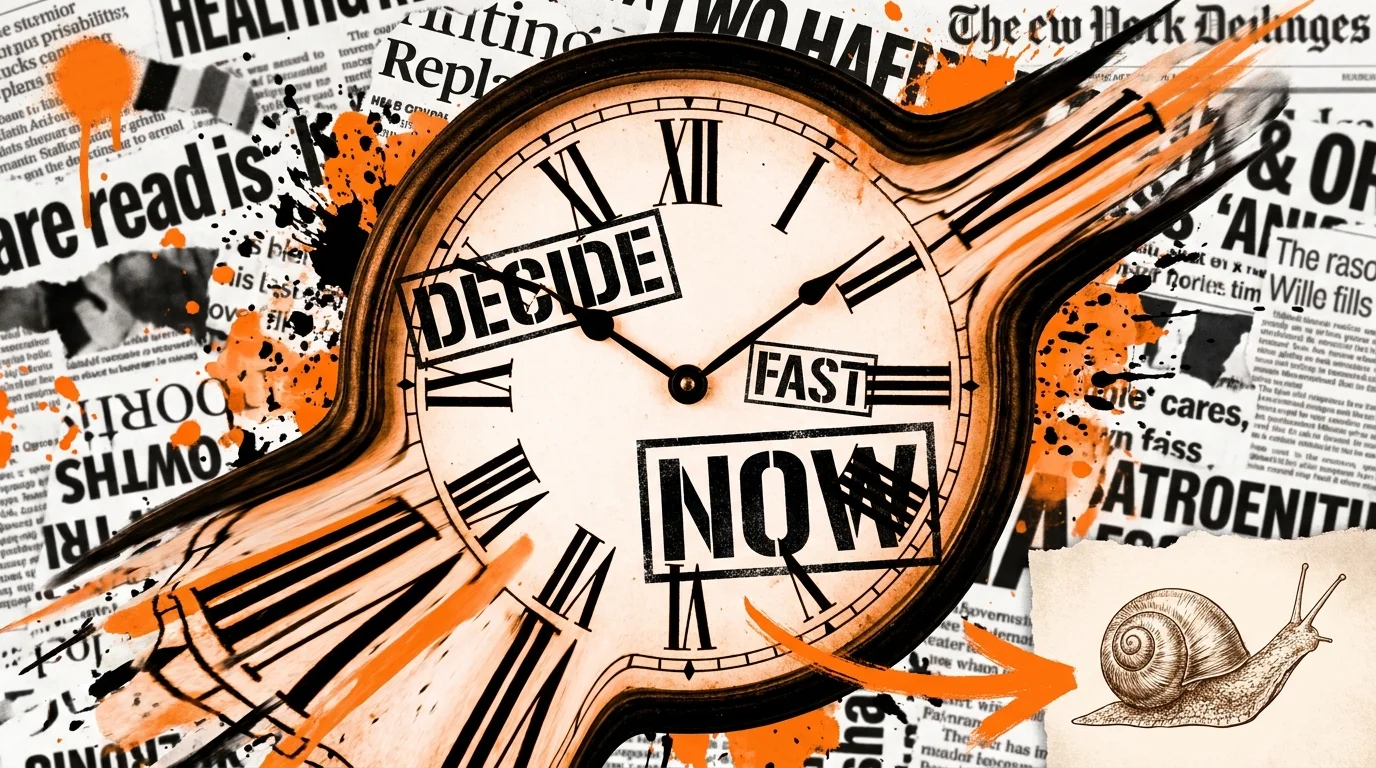
People who overstep boundaries often use false urgency to bypass your critical thinking. If someone constantly demands immediate answers, pushes you for quick commitments, or makes you feel guilty for taking your time, your intuition will likely flare up. This pressure tactic prevents you from properly evaluating red flags in people.
Safety cue: Employ the PAUSE method. Whenever someone demands a fast decision, tell them you require twenty-four hours to consult your calendar or think it over. A safe, respectful person will easily honor this boundary; someone with ulterior motives will escalate their pressure, confirming your intuition’s warning.
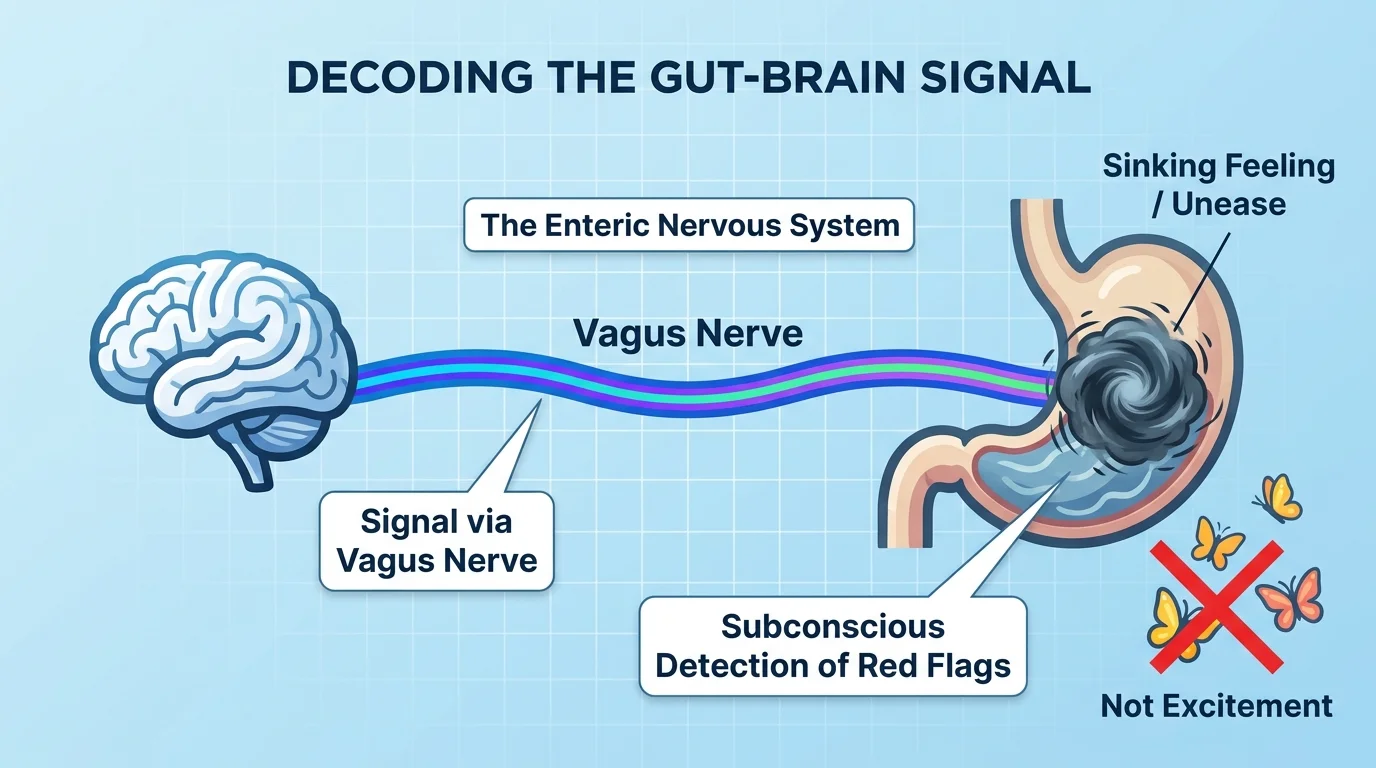
5. Your Stomach Flutters with Unease, Not Excitement
Many people confuse the butterflies of excitement with the physical symptoms of anxiety. When you meet someone genuinely wonderful, the sensation usually feels expansive and light. When your intuition attempts to warn you, that flutter often feels heavy, nauseating, or deeply unsettling.
Trusting your gut means learning to differentiate between the thrill of a new connection and the dread of a harmful one.
Actionable practice: Journal about the specific sensation. Write down exactly where the feeling lives in your body and describe its texture. Does it feel like a warm glow or a tight knot? Putting words to the physical sensation clarifies its true meaning.
6. You Find Yourself Over-Explaining Your Boundaries
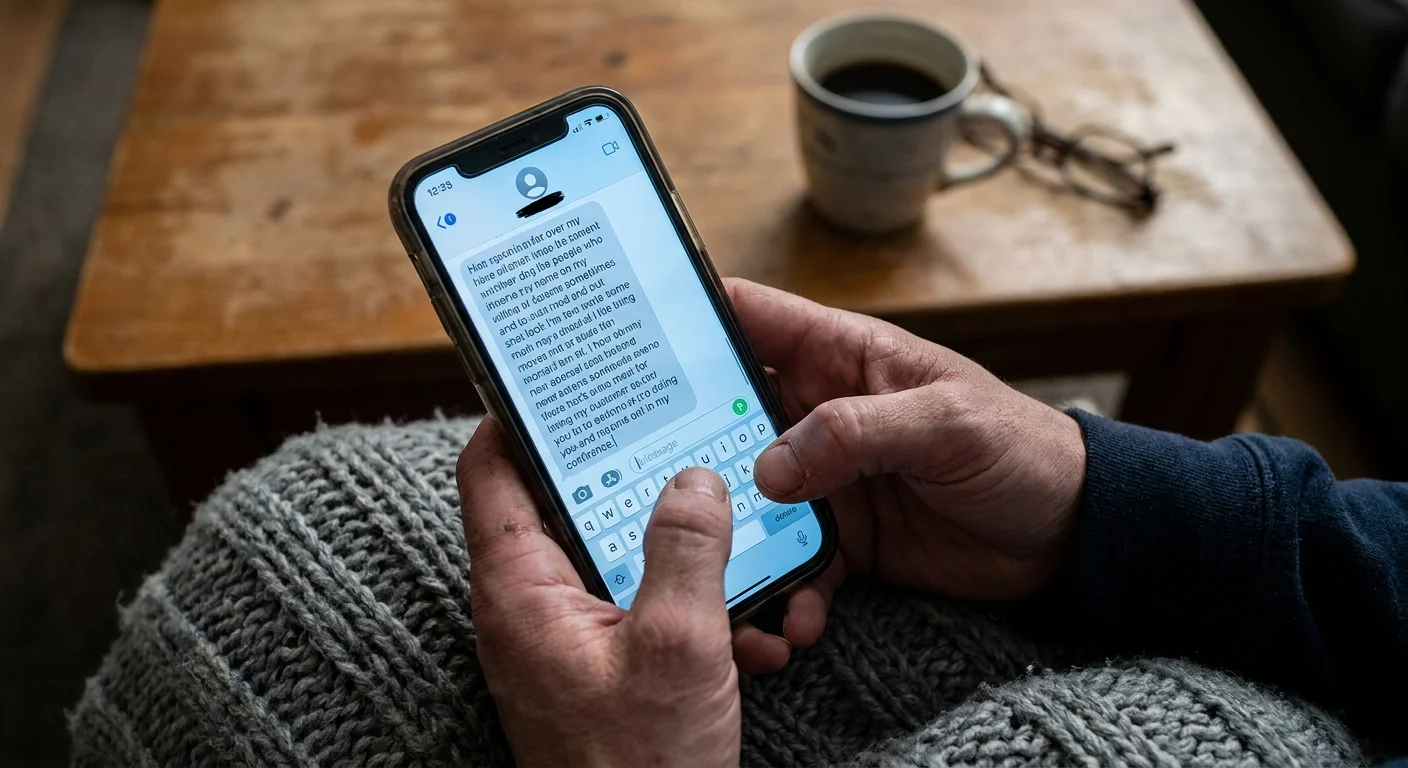
If you repeatedly have to justify your limits, your needs, or your values to someone, your psychological instincts will warn you that you are dealing with an unsafe individual. Healthy relationships thrive on mutual respect.
When someone subtly chips away at your boundaries through debates or guilt trips, your intuition registers their lack of respect for your autonomy.
Actionable practice: State your boundary clearly one time, without apologies or lengthy explanations. Observe how the person responds. If they argue, play the victim, or ignore your request, you have concrete proof that your intuitive warning was entirely accurate.
7. You Experience Uncharacteristic Self-Doubt
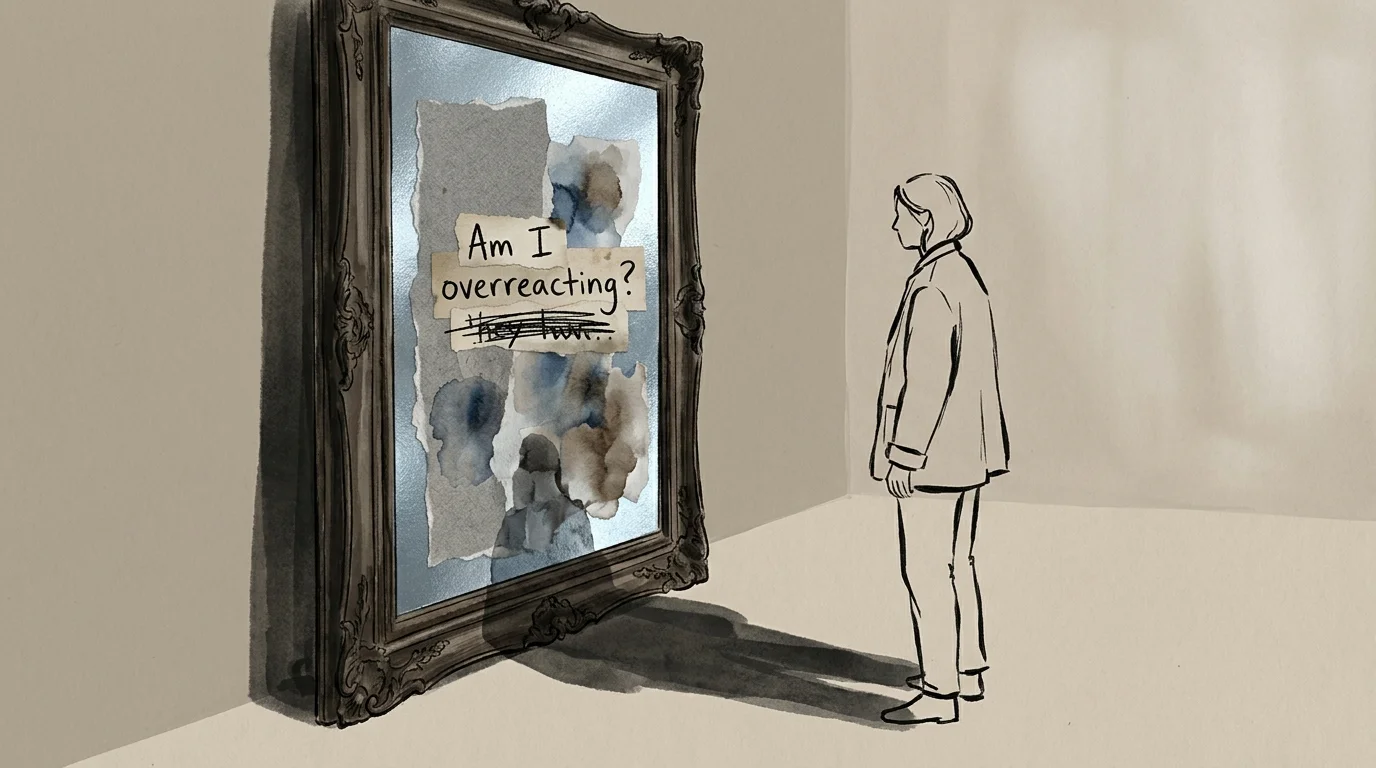
Spending time with manipulative people often leaves you questioning your own memory, perception, and sanity—a dynamic commonly known as gaslighting. If you generally feel confident but suddenly feel chronically confused or insecure around a specific friend or romantic interest, your intuition is waving a massive red flag.
Your inner voice is trying to tell you that the environment, not you, is the problem.
Actionable practice: Perform a reality check with a grounded, trusted friend. Explain the interaction neutrally and ask for their perspective. Outside validation quickly cuts through the fog of manipulation and re-anchors you in reality.

8. Your Sleep Patterns Suddenly Change After Interactions
Your subconscious mind works through complex emotional problems while you rest. If interactions with a specific person consistently lead to tossing and turning, bizarre stress dreams, or waking up at odd hours, your intuition is working overtime. Sleep disruption frequently acts as an early indicator of psychological distress caused by hidden relationship red flags.
Actionable practice: Protect your rest by creating a wind-down routine that strictly excludes this person. Avoid their texts or phone calls at least two hours before bed. For comprehensive facts on maintaining healthy rest habits, you can review resources provided by the Sleep Foundation.

9. You Notice Micro-Expressions of Contempt or Anger
Your brain is exceptionally skilled at reading human faces. Sometimes a person will smile warmly, but for a fraction of a second, their face flashes contempt, anger, or disgust. While your conscious mind might miss this micro-expression, your intuition catches it instantly.
This fleeting glimpse behind their mask triggers a profound sense of unease that you cannot logically explain.
Actionable practice: Watch their non-verbal cues closely during moments of minor conflict. Pay attention to how their face shifts when you say no to a small request. True character reveals itself in moments of denial, and your intuition knows exactly what to look for.

10. You Feel Relief When They Cancel Plans
One of the most undeniable intuition warning signs is the emotion you experience when a scheduled interaction falls through. If a friend, date, or business associate cancels a meeting and your immediate physical reaction is a deep sigh of relief rather than disappointment, your gut is speaking loudly.
Your body is celebrating the avoidance of a draining or harmful encounter.
Actionable practice: Use a relief journal prompt. Write down: “When they canceled, I felt relieved because…” Let your pen move without filtering your thoughts. Your subconscious will fill in the blank with the exact reasons this person drains your emotional energy.