Frequently Asked Questions About Childhood and Adult Personality
Can I change my personality if it was shaped by a difficult childhood?
Personality is not entirely fixed. While your early experiences created strong default pathways in your brain, neuroplasticity allows you to form new habits and emotional responses at any age.
With consistent self-awareness and gentle practice, you can shift how you react to stressors, ultimately modifying the traits that no longer serve you.
How do I tell the difference between a core personality trait and a trauma response?
A core personality trait generally feels natural, comfortable, and aligned with your values. A trauma response often feels automatic, exhausting, and disproportionate to the current situation.
If a behavior leaves you feeling drained, highly anxious, or disconnected from others, it may be an early coping mechanism rather than your true nature.
Does remembering the past mean I have to confront my family?
Not at all. The goal of understanding your past is internal healing and gaining personal clarity. Confronting family members is a highly personal choice and is rarely a requirement for finding peace.
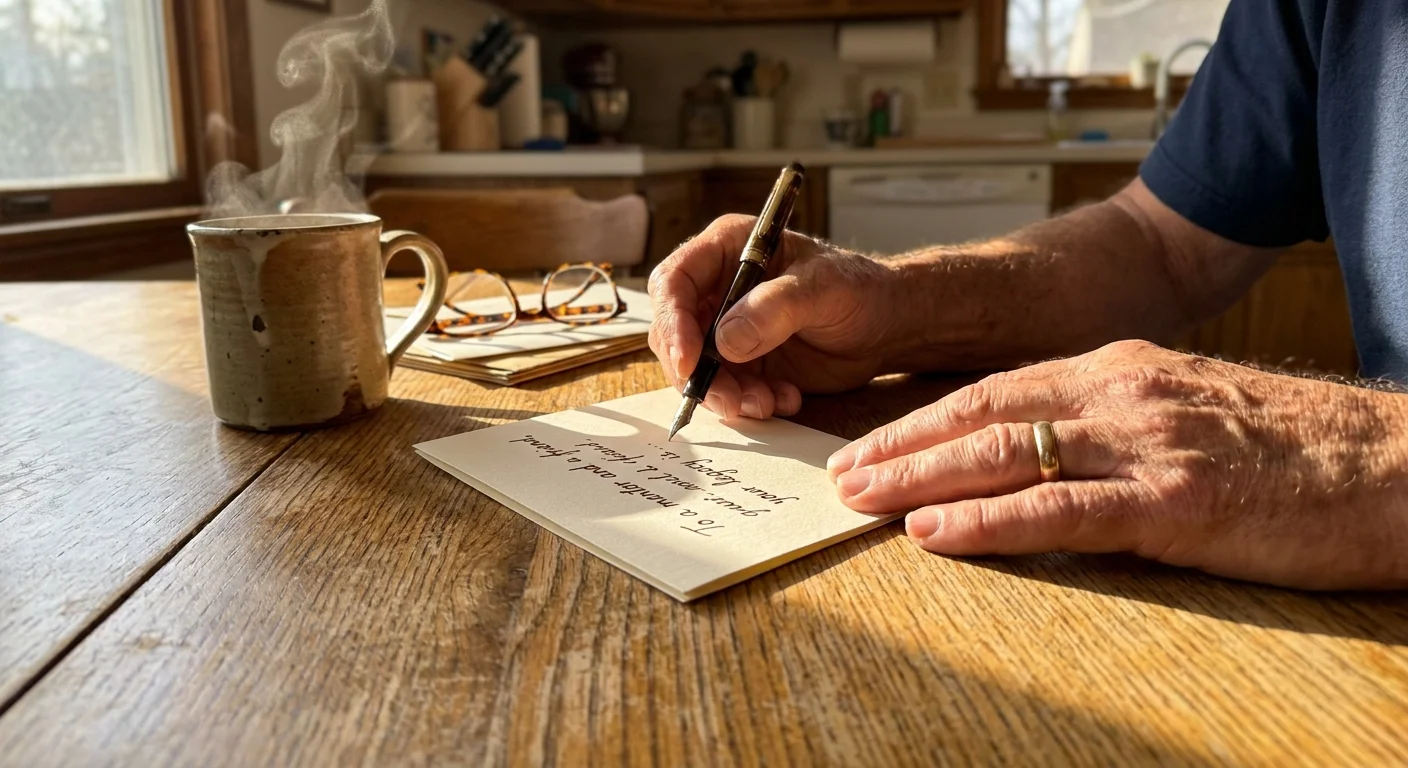
Many people achieve profound emotional resolution entirely through self-reflection, journaling, or working privately with a counselor.
Why do I suddenly remember childhood events more clearly now that I am older?
As the daily demands of raising children or building a career begin to slow down, your brain finally has the quiet space required to process older memories. Furthermore, entering new life stages naturally prompts reflections on your own upbringing.
This resurgence of memory is a normal developmental phase of later adulthood.
Can positive childhood experiences outweigh the negative ones?
Yes, positive experiences play a crucial role in building resilience. Even in difficult environments, having just one supportive adult, a safe hobby, or moments of genuine joy provides a protective buffer. Recognizing these positive anchors is just as important as understanding the challenging moments.