Recognizing the Intersection of Early Memories and Your Body
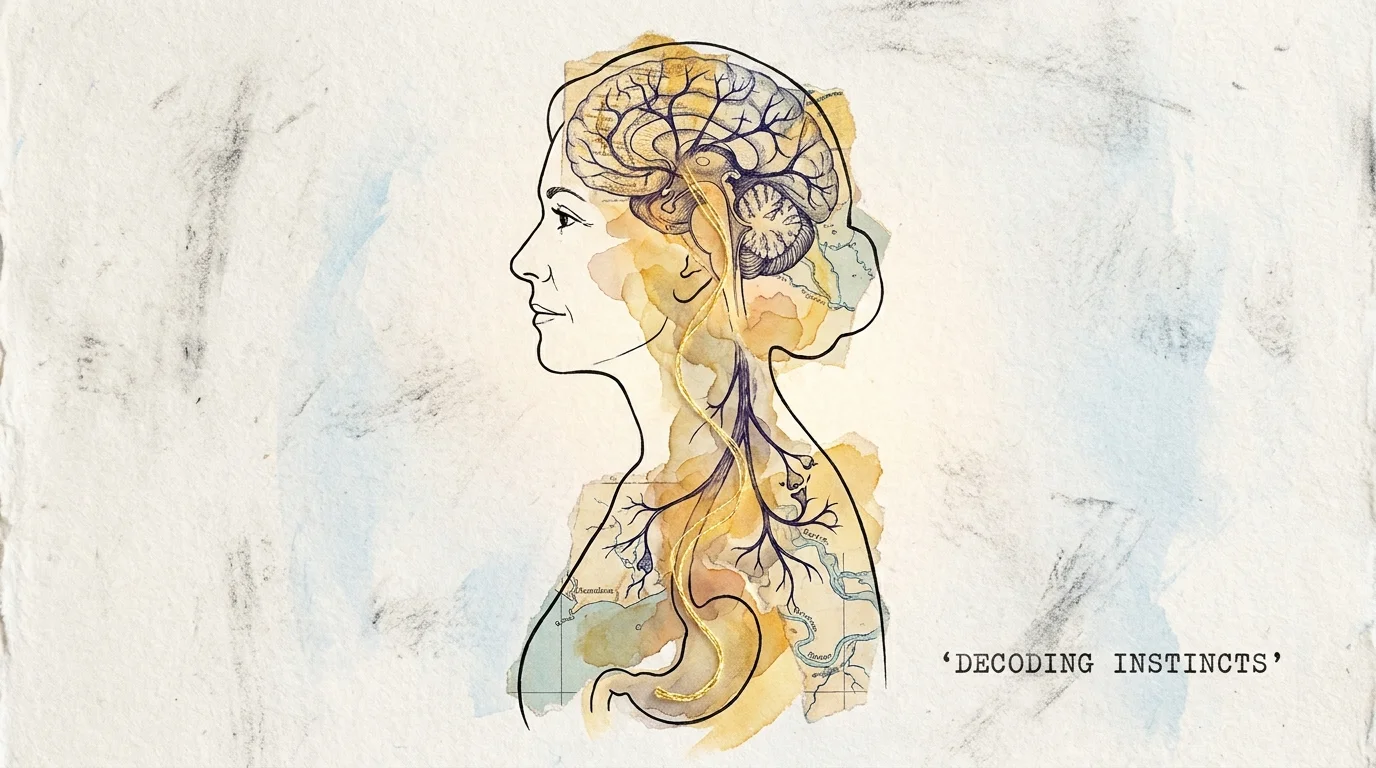
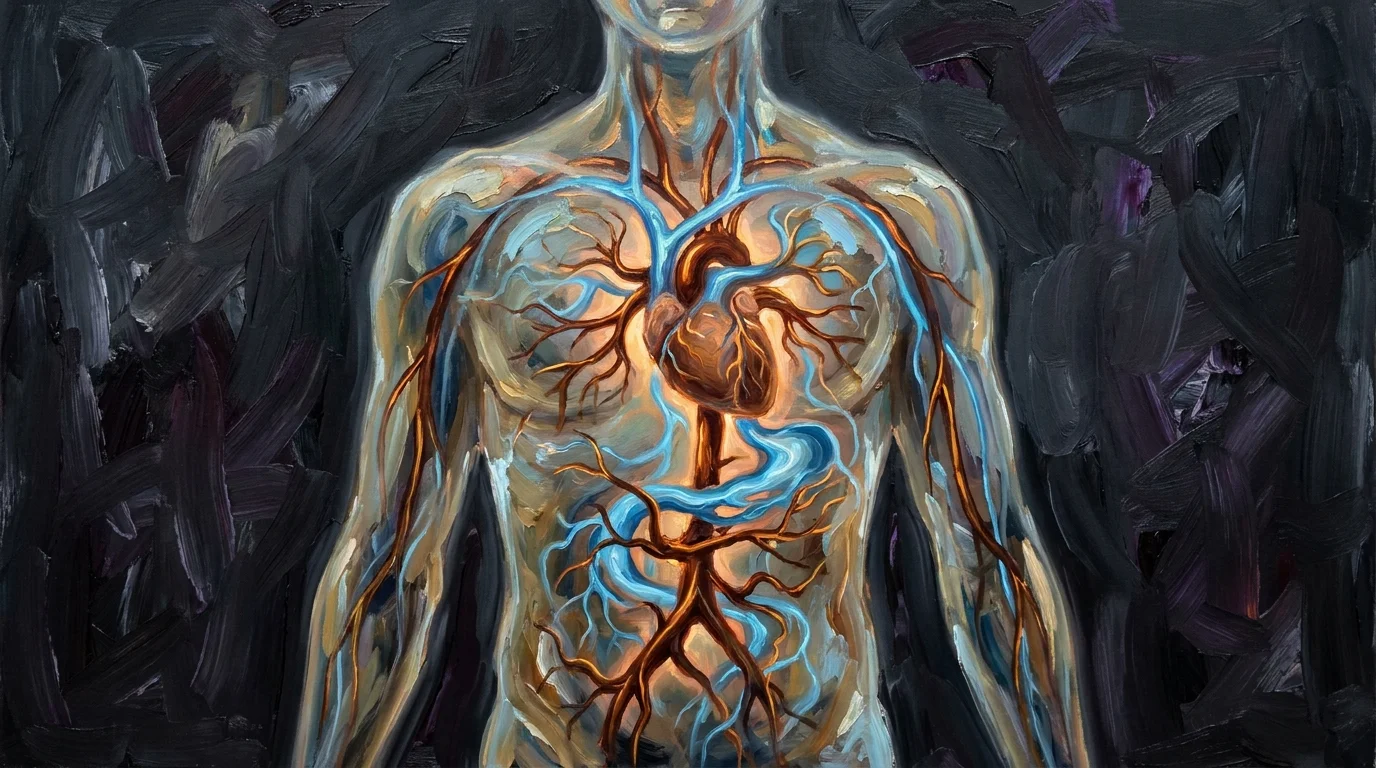
The physical body maintains a profound record of early life stress. The concept of adult personality childhood trauma highlights how persistent early adversity can alter the functioning of your nervous and endocrine systems. When a child lives in a state of high stress, their body produces elevated levels of cortisol.
Over years, this biological adaptation becomes the body’s normal baseline. As an adult, you might experience this as chronic muscle tension, digestive issues, or a racing mind that refuses to quiet down, even when you are in a completely safe environment.
Acknowledging this mind-body connection validates your physical experiences and underscores that your symptoms are biological responses, not personal failures.
Understanding cognitive patterns like the placebo effect and confirmation bias can also illuminate how you interpret your life. Confirmation bias occurs when your mind unconsciously seeks out information that validates your existing beliefs.
If early experiences taught you that people are generally unreliable, your brain will naturally highlight moments when friends cancel plans, effectively ignoring the countless times they showed up for you. Recognizing this pattern is not about invalidating your feelings; it is about gently expanding your awareness to include the positive evidence you might be missing.
This gentle mental shift can significantly reduce feelings of isolation.
Quality rest and the careful processing of grief are essential components of regulating a nervous system heavily impacted by the past. Sleep is the primary time your brain consolidates memories and clears out emotional debris. When your sleep is fractured, your ability to manage stress drastically decreases.
At the same time, processing the unresolved grief of a difficult childhood requires immense emotional energy.
Sleep facts at the Sleep Foundation.
Grief and coping resources at the American Psychological Association (APA) and NIH.