Why We Seek Out Familiar Patterns
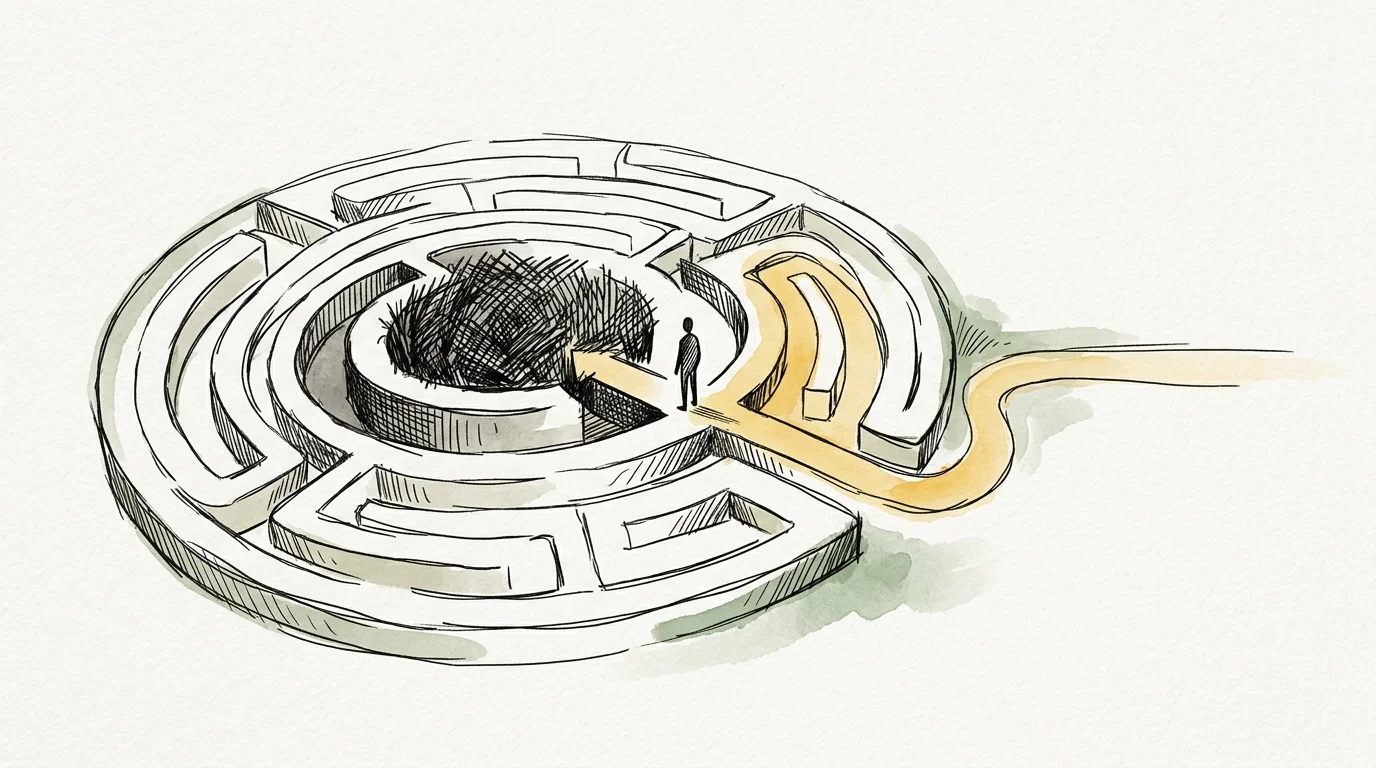
Human brains naturally look for recognizable patterns in life. This cognitive function helps us navigate a complex world. We sometimes confuse familiar pain with emotional safety.
This pattern-seeking behavior explains why certain partners attract you. You might unconsciously select companions who mirror past struggles. Your mind attempts to resolve old wounds through new people.
You may also experience confirmation bias. This means you notice behaviors that confirm your existing beliefs. You might ignore signs of affection if you expect rejection.
Grief plays a significant role in your partner selection. A grieving heart often seeks distance to avoid further loss. Unavailable partners provide a convenient barrier against deep vulnerability.
A gentle approach to these psychological realities prevents shame. You are simply experiencing normal human defense mechanisms. Compassion for yourself makes changing your relationship patterns much easier.
Childhood experiences often establish your baseline for love. You might have learned that affection requires constant struggle. Unlearning these early lessons takes time and gentle patience.
Acknowledging these roots gives you personal power. You stop blaming yourself for repeated romantic disappointments. You start viewing your dating history with helpful objective curiosity.
Relationship patterns do not define your permanent identity. They are simply habits formed through repetitive past experiences. You can consciously replace them with healthier choices today.
Breaking a familiar cycle feels uncomfortable initially. Your brain resists the unfamiliarity of a secure connection. This discomfort signals that you are finally growing.