Inspiring Wishes

Mindful living, relationships, and spirituality

  • Home
  • Life Events
  • Spirituality
  • Lifestyle

12 Signs That Someone Is Near Death

July 8, 2026 · Life Events
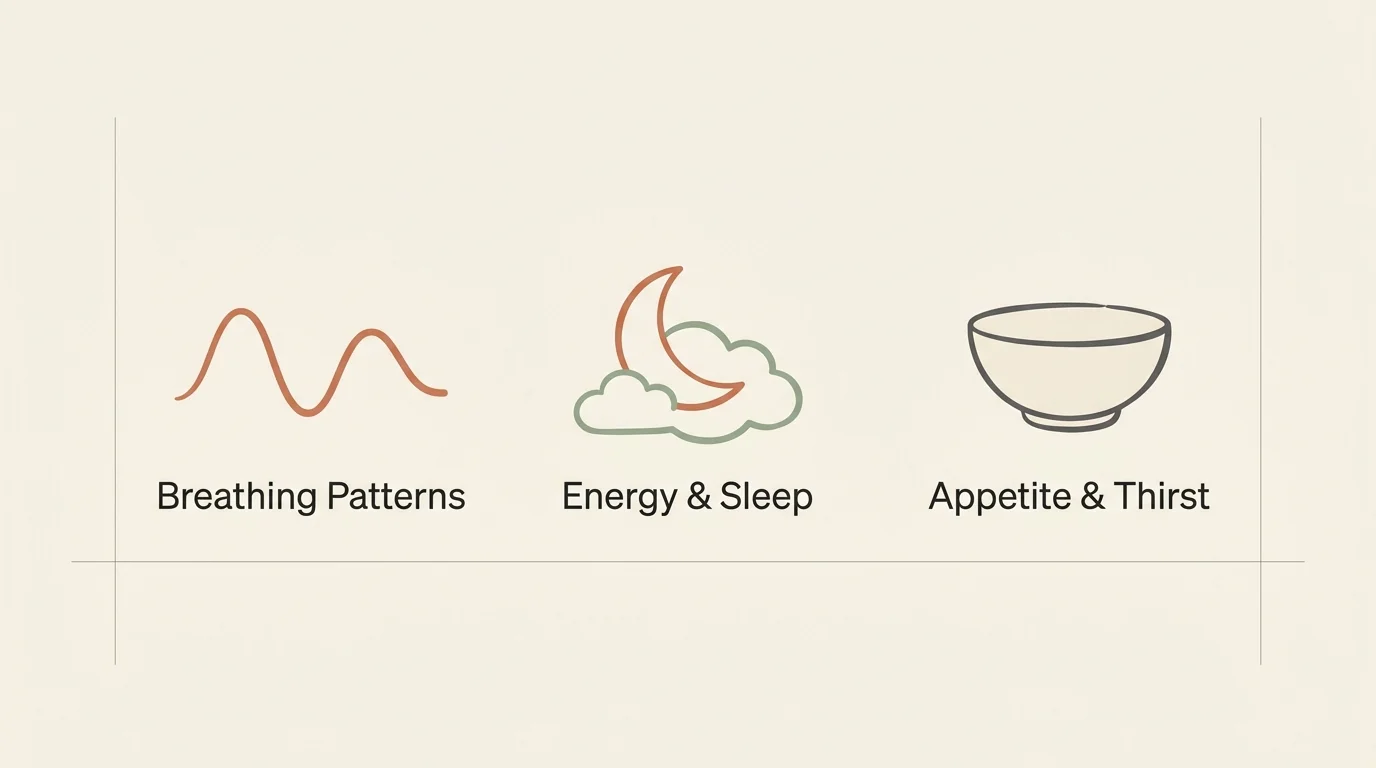
A clean, minimalist infographic showing three gentle icons labeled Breathing Patterns, Energy & Sleep, and Appetite & Thirst.
Three simple icons illustrate changes in breathing patterns, sleep, and appetite near the end of life.

12 Signs That Someone Is Near Death

Watching a family member decline requires deep compassion. You can offer better care when you recognize these specific markers. Here are twelve signs of dying to observe.
1. Changes in Breathing Patterns

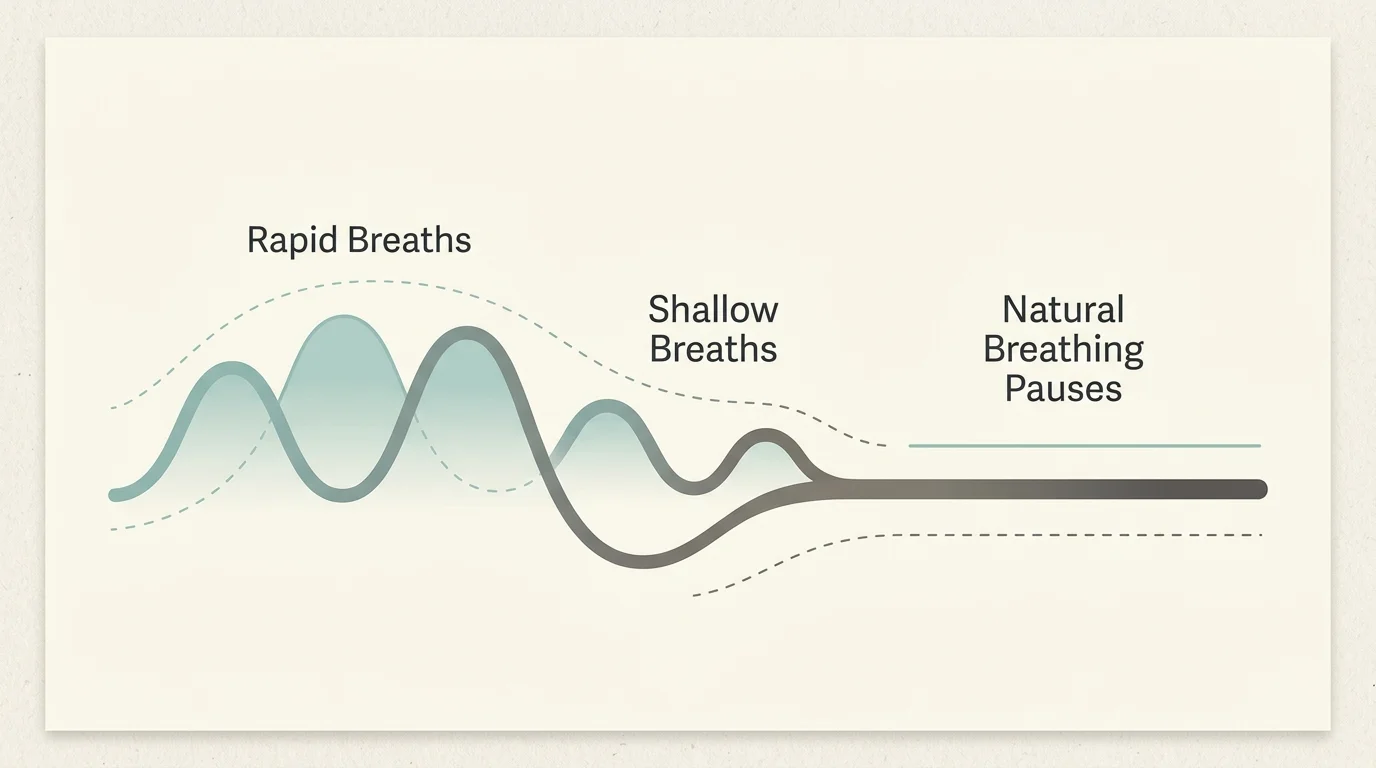
Breathing often changes significantly as the body weakens. You may notice alternating periods of rapid breaths and shallow breaths. This pattern is known as Cheyne-Stokes respiration.

Sometimes breathing stops entirely for several seconds. These pauses can frighten loved ones. However, this shift rarely causes the patient any distress.

You might hear a rattling sound during exhalation. This happens when fluids collect in the throat. The person is usually unaware of this noise.

Changes in breathing rarely cause pain for the dying person. The physical body simply requires less oxygen. Your calm presence remains their best medicine.

Practice: Sit beside your loved one and match your breathing to a slow pace. Guide your own anxiety down by taking steady breaths.


2. Increased Sleep and Restlessness

A person nearing death spends most of their time asleep. Their metabolism slows down drastically. The body lacks the energy needed for wakefulness.

They might become difficult to wake up. This deep slumber protects them from physical pain. It also conserves their remaining strength.

Understand that hearing often remains intact during deep sleep. You can continue speaking to them. Your familiar voice provides immense comfort.

You might notice their eyes remaining partially open during sleep. The eye muscles naturally relax near the end. A warm washcloth gently clears away dry secretions.

Practice: Read a favorite book aloud while they rest. Keep your tone gentle and steady.

3. Decreased Appetite and Thirst

The body no longer needs calories to function. A natural loss of appetite occurs. Forcing food can actually cause physical discomfort.

Digestion requires significant energy. The stomach simply stops processing food near the end. Thirst also diminishes as the organs shut down.

Families often struggle with this natural sign. Feeding someone is a universal act of love. You must find new ways to show your affection.

Small sips of water might cause severe coughing fits. Ice chips offer a safer alternative for a dry mouth. Always consult your hospice nurse about swallowing risks.

Practice: Use a moist sponge swab to wet their lips. Apply a gentle lip balm to prevent dry skin.

4. Social Withdrawal and Inner Focus

A dying person often pulls away from social interactions. They may lose interest in the news or daily gossip. Their focus turns inward.

This withdrawal is not a personal rejection. Preparing for death requires immense internal work. They are gently detaching from the physical world.

You might notice them staring into space. They often offer short responses to direct questions. This quiet reflection is a necessary spiritual phase.

They might close their eyes while you are speaking. This action conserves their rapidly fading energy. It does not mean they are ignoring your affection.

Practice: Sit silently in the room without demanding conversation. Your quiet presence offers profound reassurance.

5. Changes in Body Temperature

Blood circulation slows down as the heart weakens. The body prioritizes vital internal organs. Blood flow to the hands and feet decreases.

You will likely notice their extremities feeling cold. Their skin might develop a mottled appearance. This purplish coloring usually starts on the heels.

Sometimes they might feel surprisingly warm instead. Temperature fluctuations are incredibly common. The brain loses its ability to regulate body heat.

Caregivers frequently worry about these sudden temperature swings. A cool damp cloth on their forehead provides comfort during hot spells. Simple adjustments work better than heavy medications.

Practice: Place a light blanket over their feet if they feel cold. Avoid heavy layers that might cause physical pressure.

6. Confusion or Disorientation

Reduced oxygen to the brain causes mental confusion. Your loved one might forget where they are. They could confuse the current year with the past.

They might fail to recognize familiar faces. This symptom causes deep pain for visiting families. Remember that the illness causes this memory lapse.

Arguing with a confused person creates unnecessary stress. You should gently join their reality. Correcting them only breeds agitation.

Sometimes they might speak to people who are not present. Their mind wanders between the past and the present. Listen to their stories without enforcing harsh reality.

Practice: Introduce yourself by name when entering the room. Speak in a calm tone to maintain a safe environment.

7. End-of-Life Visions or Dreams

Many people experience vivid visions before passing. They often report seeing deceased relatives. Some describe interacting with spiritual figures.

Researchers suggest these visitation dreams bring profound comfort. The brain may release soothing chemicals during this phase. Regardless of the cause, the peace is real.

These visions differ greatly from fearful hallucinations. The dying person usually feels calm during these encounters. You should never dismiss their lived experience.

Spiritual counselors often view these dreams as meaningful transitions. The dying person receives profound emotional preparation. You can support this process simply by listening.

Practice: Ask gentle questions about their visitors if they seem open. Keep a small journal of these meaningful conversations.

8. Restlessness and Agitation

Some individuals experience sudden physical restlessness. They might pick at their bedsheets. This condition is sometimes called terminal agitation.

Unresolved pain or full bladders can trigger this movement. Medications also cause restless side effects. A hospice nurse can help identify the physical cause.

Spiritual unrest might also play a role. Unfinished business can keep the mind agitated. Offering verbal permission to let go sometimes helps.

Sometimes they might attempt to get out of bed. Their weakened muscles make this extremely dangerous. Keep the bed rails raised to prevent accidental falls.

Practice: Play soft instrumental music to calm the atmosphere. Dim the harsh overhead lights in their bedroom.

9. Physical Weakness and Fatigue

Profound weakness takes over the physical body. A simple task like lifting a cup becomes impossible. The person loses all muscle strength.

They might struggle to swallow liquids safely. The risk of choking increases significantly. This weakness requires full physical assistance from caregivers.

You must prioritize their physical safety during this time. Moving them requires careful lifting techniques. Hospice teams provide training for these specific needs.

Frequent repositioning prevents painful bedsores from developing. You should turn them gently every few hours. Extra pillows provide necessary support for fragile joints.

Practice: Support their head gently when offering a sip of water. Use a specialized cup designed for limited mobility.

10. Unresponsiveness

The final days often bring periods of total unresponsiveness. The person may lie perfectly still. They will not react to touch or sound.

This comatose state signals the final stage of transition. Their breathing might become very shallow. You may feel a deep sense of waiting.

Do not assume they cannot feel your love. Gentle touch remains a powerful communication tool. Hold their hand softly during this quiet time.

They may stop producing visible responses entirely. A subtle squeeze of your hand might be their only reply. Treasure these tiny movements during the final days.

Practice: Whisper words of love and gratitude near their ear. Assume they absorb every kind word you share.

11. Loss of Bladder and Bowel Control

The muscles regulating bodily functions eventually relax. Loss of continence is a natural physical progression. It requires careful hygiene management.

Absorbent pads keep the person clean and dry. A urinary catheter might become necessary. Your medical team will recommend the best approach.

Maintaining their dignity is absolutely crucial here. Handle these tasks with quiet respect. Avoid making faces or comments about the cleanup process.

Clean skin prevents uncomfortable bedsores and painful infections. Check their bedding frequently throughout the day. Prompt changes demonstrate your deep respect for their physical form.

Practice: Place a waterproof mattress protector on the bed. Keep gentle cleansing wipes easily accessible nearby.

12. The Surge of Energy

A sudden burst of energy surprises many families. The person might wake up and talk clearly. They might even request a favorite meal.

This temporary revival often happens days before death. Families sometimes believe a miraculous recovery is starting. Sadly, this energy quickly fades.

Enjoy this fleeting moment of clarity. Use the time to say your final goodbyes. Treat this surge as a precious parting gift.

Do not let this surge create false medical hope. The body is simply releasing its final energy stores. Embrace the laughter and conversation while it lasts.

Practice: Record a brief voice memo of their stories during this surge. Treasure these final coherent interactions.

Pages: 1 2 3 4 5 6

Share this article

Facebook Twitter Pinterest LinkedIn Email

Leave a Reply Cancel reply

You must be logged in to post a comment.

Search

Latest Posts

  • A sunlit bedside table with a glass of water and a lavender sprig next to a bed with a warm knitted blanket, in soft golden light. 12 Signs That Someone Is Near Death
  • Watercolor illustration of a person sitting calmly on a park bench under a clear umbrella as raindrops turn into flower petals. 9 Quiet Signs You Are Mentally Stronger Than Most People
  • A mixed-media collage showing a calm watercolor landscape inside a dark silhouette, surrounded by a chaotic, colorful collage of media clipp 20 Celebs That Are Deeply Religious
  • Watercolor illustration of a profile silhouette containing delicate, glowing roots that ripple in response to a single falling droplet. 7 Signs You're Highly Rejection Sensitive
  • A peaceful watercolor illustration of a bluebird on a sunlit windowsill next to a steaming mug, evoking a quiet, spiritual presence. 12 Signs a Deceased Loved One May Be Trying to Reach You
  • An abstract mixed-media collage of two paper profiles facing away from each other with a cracking cardboard bridge and fraying gold threads. 7 Communication Patterns That Predicts Divorce Better Than Any Other Single Behavior
  • A watercolor and ink illustration of a sleeping person with dream-like colorful ribbons of memory flowing from their mind. What Vivid Dreams Are Actually Doing for Your Brain During REM Sleep
  • An editorial illustration of a woman reaching out toward a partner's silhouette that is dissolving into birds and leaves. 10 Signs You're Drawn to Unavailable Partners
  • A nostalgic mixed-media collage featuring old handwritten letters, pressed lavender, and the words 'What I wish I had said' in soft ink. 7 Things People Wish They Had Said to a Partner Before It Was Too Late
  • An ink and watercolor illustration of two people at a table, with a magnifying glass revealing a key inside a cotton candy speech bubble. How to Tell If Someone Is Being Honest or Just Telling You What You Want to Hear

Newsletter

Get the latest posts delivered to your inbox.

Related Articles

A woman in her 50s sits peacefully in a sunlit room, holding a mug and closing her eyes to recharge her energy.

How to Protect Yourself from Emotionally Draining People

Common Signs of an Emotionally Draining Friendship or Family Dynamic Recognizing the patterns that lead…

Read More →
Don’t Treat Me like an Option Quotes

Don’t Treat Me like an Option Quotes

Being in a relationship with someone means that they are the whole world to you.…

Read More →
best Inspirational birthday Quotes

101+ Best Inspirational Birthday Quotes | Wishes

Inspirational Birthday Wishes & Quotes: Have you ever thought why is it so important to…

Read More →
Have a Good Day

Have a Good Day Quotes | Loving and Inspirational Wishes

Once you know the importance of spending a day positively, you would never think twice…

Read More →
Romantic Birthday Wishes Quotes

50+ Romantic Birthday Wishes Quotes

Our birthday certainly makes us happy and expectant for some good birthday wishes from everyone…

Read More →
commonm deathbed regrets

6 Common Deathbed Regrets You Don’t Want to Have

Have you ever wondered what the common deathbed regrets people have that could also plague…

Read More →
Good Night Messages for Partner

Good Night Messages for Partner | Special Good Night Wishes, Quotes 

30+ Romantic Good Night Messages: A good night text sent at the end of the…

Read More →
Partner Hiding Something

Trust Your Gut: 10 Signs Your Partner Might Be Hiding Something

10 Red Flags That Suggest Your Partner Is Not Being Honest Trust is an essential…

Read More →
Good Morning Quotes & Message for him

Good Morning Quotes for him | Fresh Morning Message for Him

There are some of the most beautiful good morning quotes that exist online for your…

Read More →

Inspiring Wishes

Mindful living, relationships, and spirituality

Inedit Agency S.R.L.
Bucharest, Romania

contact@inspiringwishes.com

Explore

  • Subscribe
  • Unsubscribe
  • Privacy policy
  • Terms & Conditions
  • Request To Know
  • Request To Delete
  • CA Privacy Policy
  • Contact

Categories

  • Lifestyle
  • Spirituality
  • Life Events
  • Mind & Body

© 2026 Inspiring Wishes. All rights reserved.