
You wake up, your heart racing, with a cinematic storyline fading from your mind. For many adults, especially those navigating the profound life transitions common after fifty, vivid dreaming feels less like simple sleep and more like a nightly journey. Retirement, shifting family dynamics, or the loss of loved ones often bring a surge of intense nighttime narratives. These experiences can leave you wondering if your mind is simply processing yesterday’s mundane events or offering profound guidance. You do not need mystical training to unpack these nighttime narratives. By paying close attention to your dream signs, you can bridge the gap between your waking life and your hidden emotions.
When you learn to observe your sleep patterns with curiosity rather than anxiety, you open a window to self-discovery. Recognizing how your mind communicates through images and feelings allows you to process grief, resolve quiet anxieties, and find a renewed sense of purpose. You will soon learn to recognize when a sleep experience demands your attention, how to interpret common patterns without falling into distress, and how to safely integrate these insights into your daily routine. Exploring your nighttime world requires gentleness, a clear mind, and a willingness to listen to the quietest parts of yourself.
Understanding Vivid Dreams and Subconscious Messages
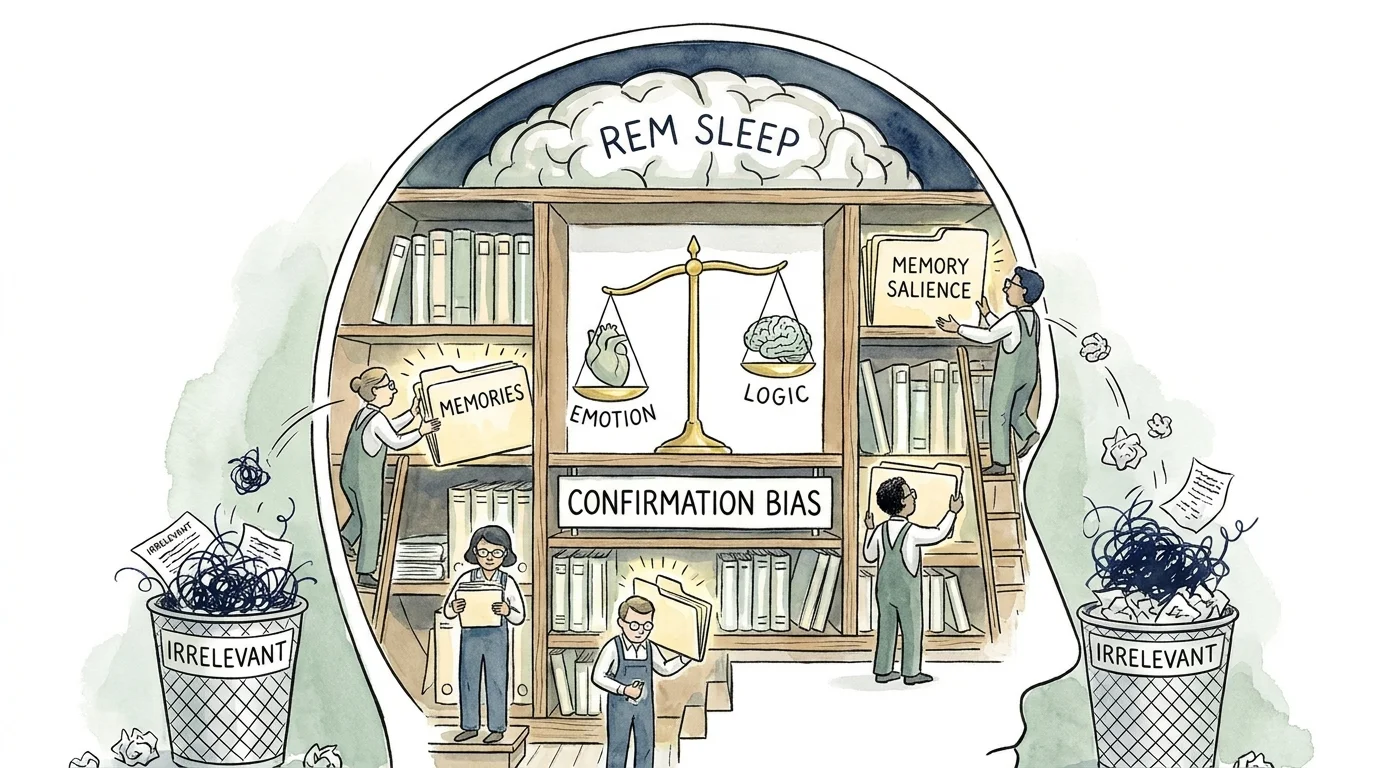
Humans have sought meaning in the night for millennia. Ancient cultures often viewed sleep visions as direct communications from the divine, while modern psychology tends to view them through the lens of memory and emotion. Prominent thinkers like Carl Jung believed our nighttime narratives tapped into universal themes and deep subconscious messages, helping us balance our conscious lives. Today, we recognize that the brain remains highly active during Rapid Eye Movement (REM) sleep, the stage where the most memorable stories unfold. During this phase, your brain works diligently to sort through memories, discard irrelevant information, and process complex emotions.
You might wonder why some nights feel remarkably more intense than others. A phenomenon known as memory salience provides a clue. Memory salience is the brain’s habit of prioritizing memories attached to strong emotions. If a dream triggers deep sadness, profound joy, or acute fear, your brain flags it as important, causing you to remember it with striking clarity. You must also consider confirmation bias when analyzing these experiences. Confirmation bias is the psychological tendency to notice details that align with your existing beliefs while ignoring those that do not. If you actively seek a sign regarding a career change or a relationship, you naturally notice symbols related to those topics.
Separating personal belief from clinical evidence requires a delicate balance. Many people interpret hyper-realistic sleep stories as spiritual visitations or premonitions. Research suggests these events serve as an emotional pressure valve, giving form to inner thoughts that you ignore during your busy waking hours. Neither perspective invalidates your lived experience. A dream can provide profound emotional comfort and serve as a psychological coping mechanism simultaneously. For a deeper understanding of healthy sleep cycles and how they affect your mind, you can explore sleep facts at the Sleep Foundation.